

It’s shape up or ship out for e-commerce logistics players facing slowing demand

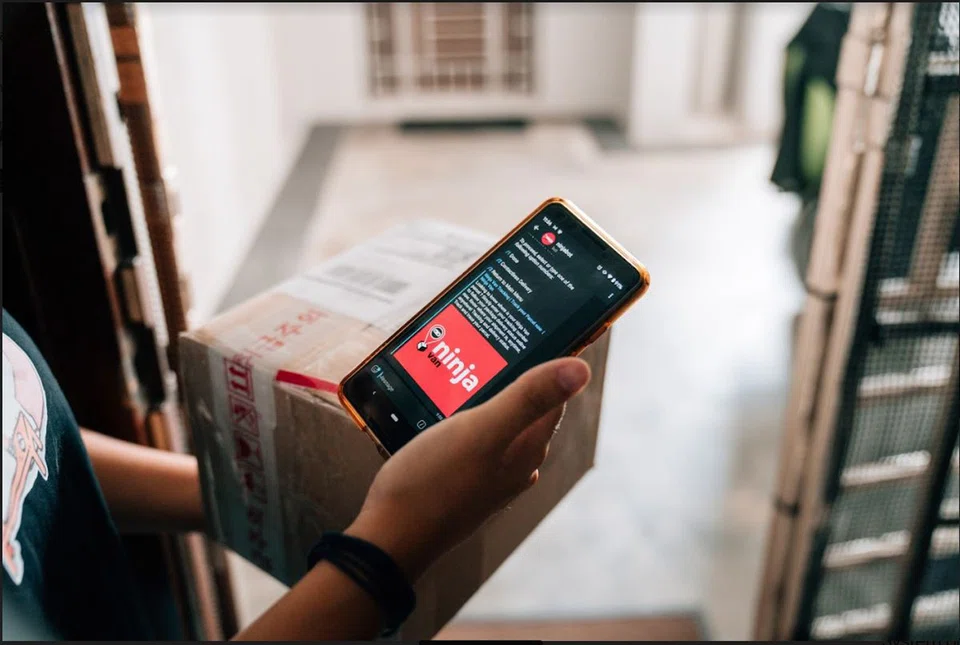
LOGISTICS companies focused on South-east Asia’s e-commerce market are bracing for a tougher year as e-commerce volumes experience slower growth, hampered by waning consumption. Higher fuel prices are not helping.
Some companies that ramped up logistics capacity during the pandemic boom are now having to consolidate resources and increase efficiency.
“We’ve seen some impact as a result of economic headwinds, with parcel volumes in selected markets experiencing flat or slightly negative growth for the first time,” said Lai Chang Wen, chief executive of Ninja Van, one of the largest e-commerce logistics players in the region.
“We anticipate this trend will continue to impact the logistics sector throughout 2023,” he added.
Ninja Van has consolidated its parcel sorting stations in a number of markets. It is also investing in automated systems and technology that deploys its manpower resources more efficiently, said Lai.
Months of lockdown across South-east Asia during the Covid-19 outbreak forced a wave of shoppers online for the first time; a Google-Temasek-Bain 2021 report estimated that 60 million new digital consumers have been added since the pandemic began.
Several companies in the e-commerce sector had hoped the boom would outlast the pandemic. But expectations were derailed by rising inflation and interest rates, coupled with a tough fundraising environment that has turned loss-making businesses more cautious.
E-commerce majors Amazon and Alibaba are experiencing a slowdown, partly due to the normalisation of e-commerce after Covid-19 measures were lifted. Shopee is cutting costs and exiting markets, while its parent group Sea has stopped guiding for e-commerce growth due to the murky outlook.
The cooling market has already hit logistics giants such as FedEx, which reported lower-than-expected revenue in its latest Q2 earnings report. The company is slashing more than 10 per cent of its officers and directors as part of cost-cutting activities, which include parking planes, shutting offices and stopping some rural deliveries.
Global freight rates have been falling for months from their pandemic peaks, reflecting weakening consumer demand. Research house Drewry noted that rates for a 40-foot container on the Shanghai-Jakarta and Shanghai-Singapore routes have fallen 80 per cent since January 2022, to US$820 and US$770, respectively.
South-east Asian logistics players are having to adjust to the new conditions. There was an oversupply of drivers post-pandemic, “but the number quickly balanced out as many returned to previous employment”, GoGoX, a Hong Kong-headquartered company, told The Business Times.
“GoGoX will continue to adapt to market conditions of 2023 to better serve enterprise customers, balancing demand and supply for optimal capacity and efficiency.”
Logistics companies BT spoke to said customers that ship with them are becoming more prudent and more conscious about optimising costs.
Some market watchers are expecting more consolidation to occur, with some companies downsizing capacity, merging with peers or pulling out of markets.
Indonesia’s JD.id, majority owned by Chinese e-commerce firm JD.com, shut down its logistics arm in January under JD.com’s closure of its e-commerce sites in Indonesia and Thailand. JD.com, however, said it is pivoting its international business toward supply-chain management and warehousing.
Meanwhile, Hong Kong-listed Kerry Logistics blamed a price war in Thailand for dragging down e-commerce performance in the first half of 2022.
Despite the mounting headwinds, however, companies remain optimistic about the long-term potential of e-commerce. New players such as TikTok Shop are helping to contribute volumes as well.
“One offshoot trend that’s taken off is live-selling – selling items via live video streams on social media,” said Ninja Van’s Lai.
“This unique form of selling combines e-commerce with an element of entertainment. It allows brands and sellers to engage directly with their customer base, offers an interactive way to showcase products, and enables them to advertise and build brand loyalty with reduced costs,” said Lai.
Ninja Van is also working on tools to streamline order fulfilment, and integrate its order-management platforms with third-party logistics players.
China’s reopening could also help create cross-border logistics opportunities as countries mitigate inflationary pressures by importing cheaper goods, said tech analyst Roshan Raj.
Still, venture-backed companies will have to find ways to become sustainable and finally turn a profit. Raj, a partner at RedSeer Strategy Consultants, said companies are likely to adopt a balanced mix of assets, with selective fleets and warehouses to cater to their omni-channel logistics needs.
He noted that in the long run, e-commerce logistics companies could diversify selectively across online and offline sectors in order to improve the profitability of their businesses.
A logistics player with a cold-chain distribution facility, for instance, could be well-placed to cater to offline brands that need similar services.
“A measured top-line diversification would improve revenue stickiness and predictability. The choices will vary by country and player, depending on their own capabilities,” said Raj.
TRENDING NOW

Inside Singapore’s government team that kills its own products
Once staunchly pro-China, Malaysian Chinese businesses are now distancing themselves from Beijing

Cliff Tan has 7 million followers and a 4-month waitlist. Why won’t he expand his business?

Grab CEO’s wife Chloe Tong on life with Anthony Tan and finding her purpose

