

Has Singapore’s stablecoin surge peaked, or is 2026 just the start?
The pegged cryptocurrencies could be worth US$4 trillion globally in just five years

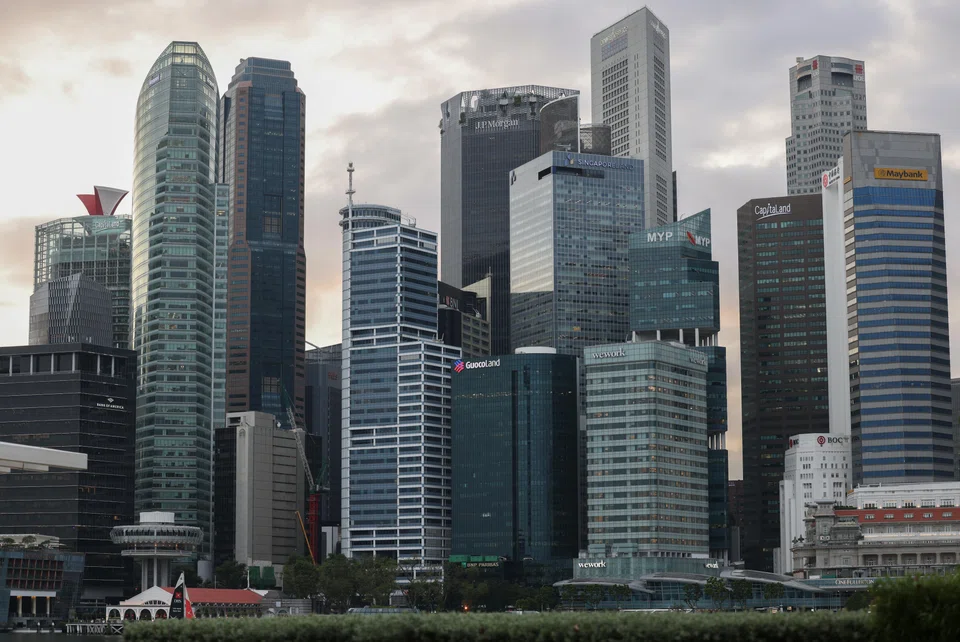
[SINGAPORE] Stablecoins have been all the rage in 2025, with Singapore also feeling the effects of the stablecoin momentum.
According to crypto data aggregator Coingecko, the market capitalisation of Singapore dollar-backed XSGD stablecoin stood at about S$17 million as at December. This was up from S$10 million just a year ago.
Unlike other cryptocurrencies, stablecoins are pegged to the value of a currency, commodity or financial instrument, which in turn limits price volatility. For example, one XSGD stablecoin is backed by one Singdollar.
Though global momentum gathered pace only this year, Singapore’s regulators had begun laying the groundwork much earlier. The Monetary Authority of Singapore (MAS) finalised its Single-Currency Stablecoin (SCS) framework in 2023, well ahead of the Genius Act in the US this year.
The SCS framework establishes a regime for stablecoins pegged to the Singdollar or G10 currencies, while the Genius Act standardises regulations across payment stablecoin issuers across the US.
MAS’ head start has helped to position the Republic as a global cryptocurrency leader for institutional players. This comes as it seeks to capture part of a market that is worth about US$300 billion today and is projected by Citi to grow to US$4 trillion by 2030 in a bull scenario.
The Business Times takes a look at how Singapore has taken advantage of the surge in stablecoin demand, and where it can go with this cryptocurrency in 2026.
Regulator-induced confidence
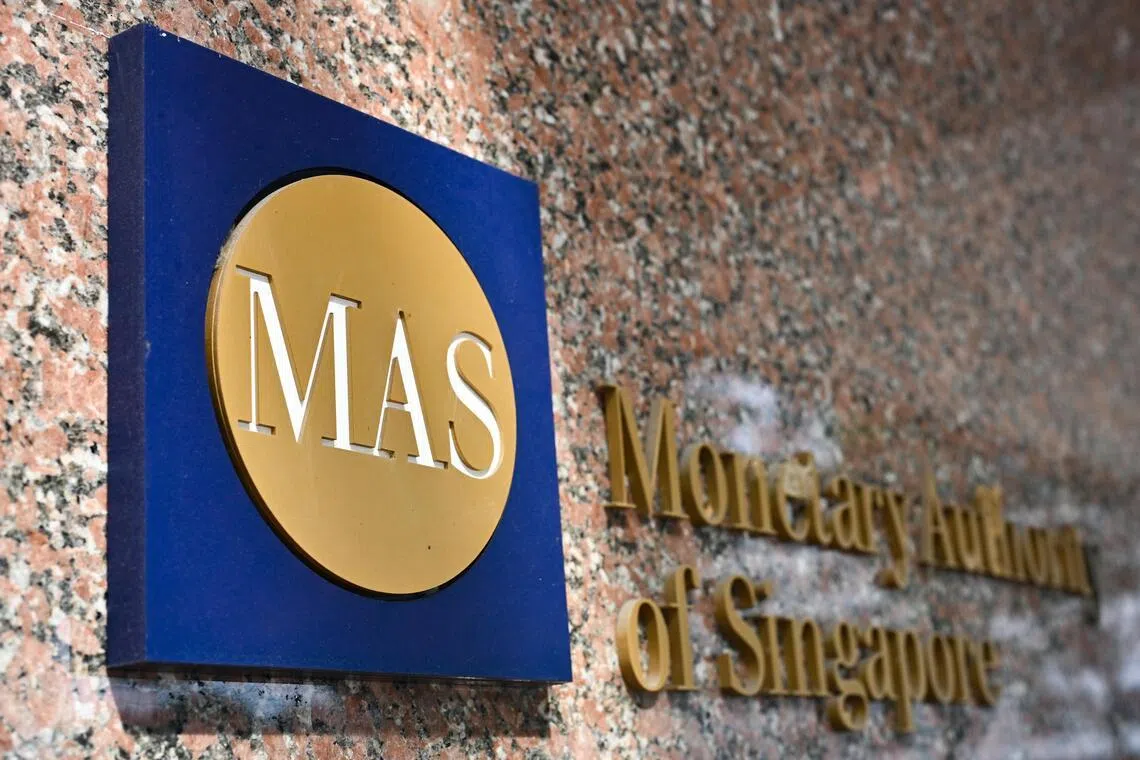
In Bybit’s 2025 World Crypto Rankings report – which placed Singapore as the top country for regulatory clarity – the cryptocurrency exchange described the MAS as a “global reference point for crypto regulation”, due to its clear licensing regimes and innovation-friendly policies.
The sentiment is shared by Hassan Ahmed, the Singapore head for cryptocurrency exchange Coinbase. “It’s actually allowed Singapore to get ahead,” he said.
“I think they saw – as many other regulators – that stablecoins were finding product-market fit and were becoming sort of a product and instrument in their own right with their own set of unique risks.”
This meant that Singdollar-pegged stablecoins dominated more than 90 per cent of South-east Asia’s non-US dollar stablecoin trading volume in the second quarter of this year, according to digital brokerage Moomoo.
Crypto.com general manager Ang Chin Tah pointed out that such regulatory clarity acts as a “fundamental attraction to stablecoin innovators looking to set up in Singapore”.
Louise Ivan Payawal, CEO of crypto wallet service Ryder, also praised Singapore’s ability to “evolve without chasing hype”. That stability, he said, attracts founders like him who want to build “real infrastructure rather than short-lived speculation”.
Riding the wave into 2026
Heading into 2026, Coinbase’s Ahmed believes the use of stablecoins and tokenised deposits as settlement collateral across institutions, asset managers and banks, will increase.
MAS’ recently announced Borderless, Liquid, Open, Online, Multi-currency (Bloom) initiative will allow the regulator to “collaborate with the financial industry to enable settlement in tokenised bank liabilities and well-regulated stablecoins… through standardised approaches”, he added.
Bloom builds on earlier efforts under Project Orchid, which explored use cases for a digital Singdollar and the infrastructure required to support it.
That began in 2021, even before the SCS; Ahmed noted that MAS was able to position itself early on to take advantage of the swelling adoption of stablecoins.
Crypto.com’s Ang agreed that further regulatory clarity in the upcoming year will likely drive an increase in institutional demand, which in turn should drive up stablecoins’ market value.
These improvements in regulatory clarity should cement Singapore’s institutional centrality in Asia, said Danny Chong, CEO of asset management and derivatives trading protocol Tranchess and co-chair of the Digital Assets Association.
He forecasts that 2026 will also likely see a transition from frameworks like Bloom to commercial deployment. “Singapore’s role is not to be the largest issuer, but to be the most trusted institutional hub for compliant stablecoins in Asia,” he added.
Challenges to be overcome
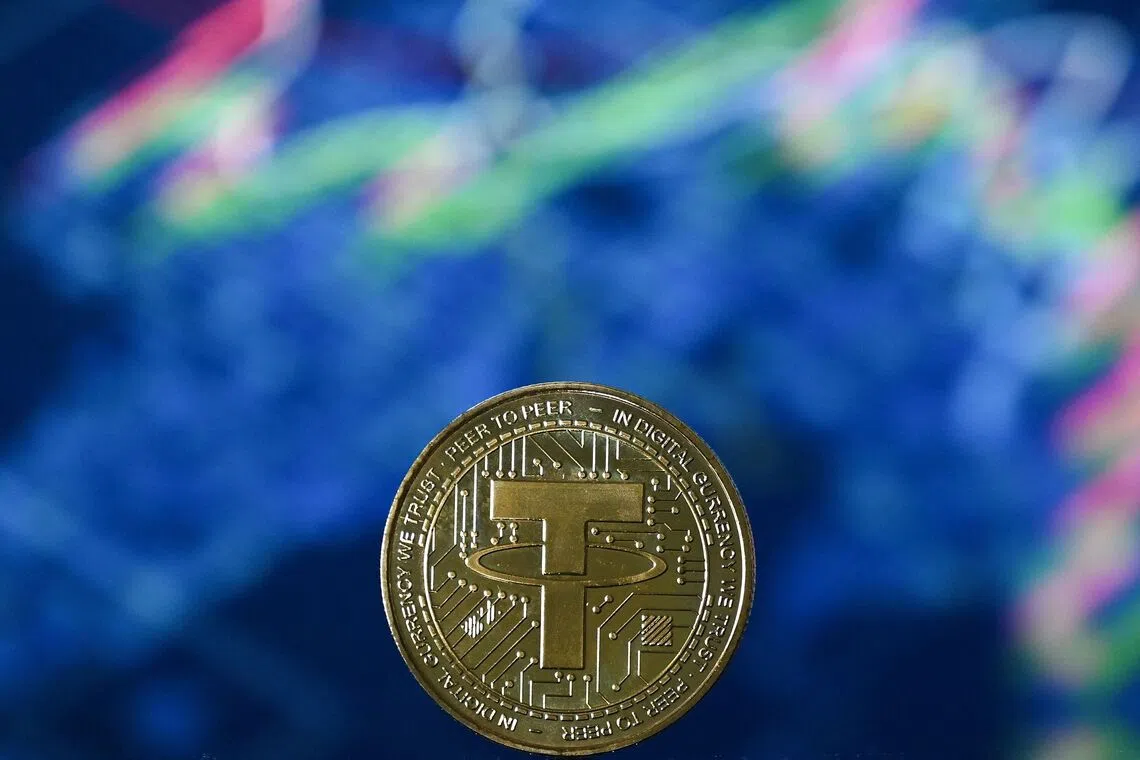
Still, stablecoin adoption in Singapore will not be entirely smooth sailing.
“The biggest challenge is concentration,” said Chong, pointing out that more than 98 per cent of the global stablecoin market capitalisation is denominated in US dollars.
The USDC and USDT stablecoins together make up nearly 90 per cent of the global market by value.
While this provides liquidity, it also creates indirect dependence on US monetary policy for non-US jurisdictions.
“For places like Singapore, the challenge is not removing US dollar stablecoins but developing credible local-currency alternatives that can achieve sufficient liquidity and institutional confidence. That transition will take time,” he added.
The financial case for this seems to be getting stronger, with the Singdollar appreciating nearly 6 per cent against the greenback in 2025.
Liu Tianwei, the CEO of XSGD-issuer StraitsX, said that this increase in value means local investors holding “safe” US dollar assets effectively found themselves “underwater”.
The foreign-exchange risk should drive demand for digital real world assets denominated specifically in Singdollars next year, he added.
Ahmed also warned of fragmentation, where consumers might end up with “10 different stablecoins” in their wallets. The fix in 2026 will likely be smart software that runs invisibly in the background: Instead of seeing 10 different coins, users will just see one balance.
This will be powered by “white-label” technology from players such as Coinbase, which will handle the complex technical processes, so users do not have to.
StraitsX’s Liu forecasts that “tokenised payables” – or the digitalisation of supply chain invoices on the blockchain – will be a key focus in 2026.
They will allow suppliers to get paid faster and more transparently through stablecoins.
The endgame will not be consumers managing complex wallet addresses, but the simple tap of a debit card or the scan of a QR code, he added.
For Liu, the real marker of stablecoin success in 2026 will be when users no longer notice they are using them at all. The technology will take off when it can simply run silently behind the scenes, delivering faster settlements and cost savings.
TRENDING NOW

LTA proposes combining car COE categories, adding rebate-surcharge system
StarHub to acquire MyRepublic’s mobile business amid ongoing telco consolidation

DBS, OCBC, UOB rout lops billions off STI as inflation, rate concerns spook investors

Grab CEO’s wife Chloe Tong on life with Anthony Tan and finding her purpose

