

Keep bond duration short; rates may remain higher for longer
With the US labour market as well as core inflation remaining resilient, the Fed may not cut interest rates as widely expected
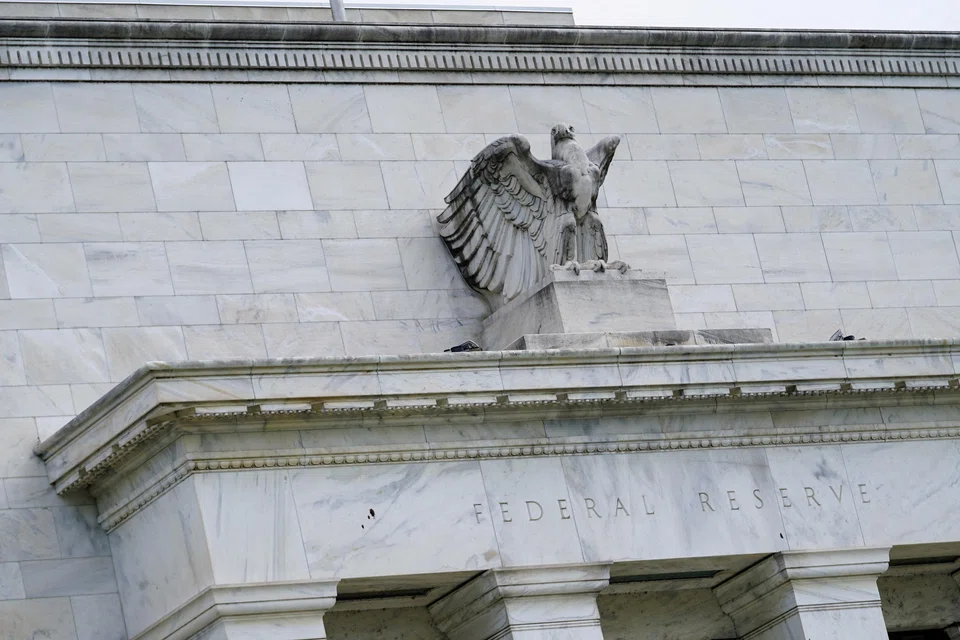
NOVEMBER kicked off with a flurry of events, starting with the US elections, where Donald Trump and the Republican Party secured a decisive victory with the presidency and majorities in both houses of Congress. Later in the week, the US Federal Reserve delivered a widely anticipated 25 basis point rate cut in a unanimous decision.
The Fed struck a slightly more positive tone on the labour market in its November meeting document compared with that in September, with unemployment “edging down” over the past three months. On the other hand, it indicated caution on inflation, with the removal of the phrase “greater confidence” regarding inflation moving towards 2 per cent. Broadly speaking, however, we think the main takeaway was the Fed’s reiteration of a data-dependent approach moving ahead.
We adopt a similar data-dependent approach in determining our interest rate expectations. Labour market indicators such as wage growth and unemployment rate have normalised to pre-Covid levels, but do not show signs of a severe labour market downturn.
TRENDING NOW

Prima to move out of historic Keppel Road flour mill building in 2028

Grab CEO’s wife Chloe Tong on life with Anthony Tan and finding her purpose

OCBC sheds S$8 billion in value as shares close nearly 6% down; analysts cautious on banks

As Asia’s food delivery giants rejig the pie, who will win the market?

