Navigating generational dynamics: How to understand Gen Zs at work

“WITH Gen X, it was about making a living. With Gen Z, it’s about making a life.”
“A lot of Gen Zs talk about pursuing their passion. Other generations say pursuing your passion will not put food on the table.”
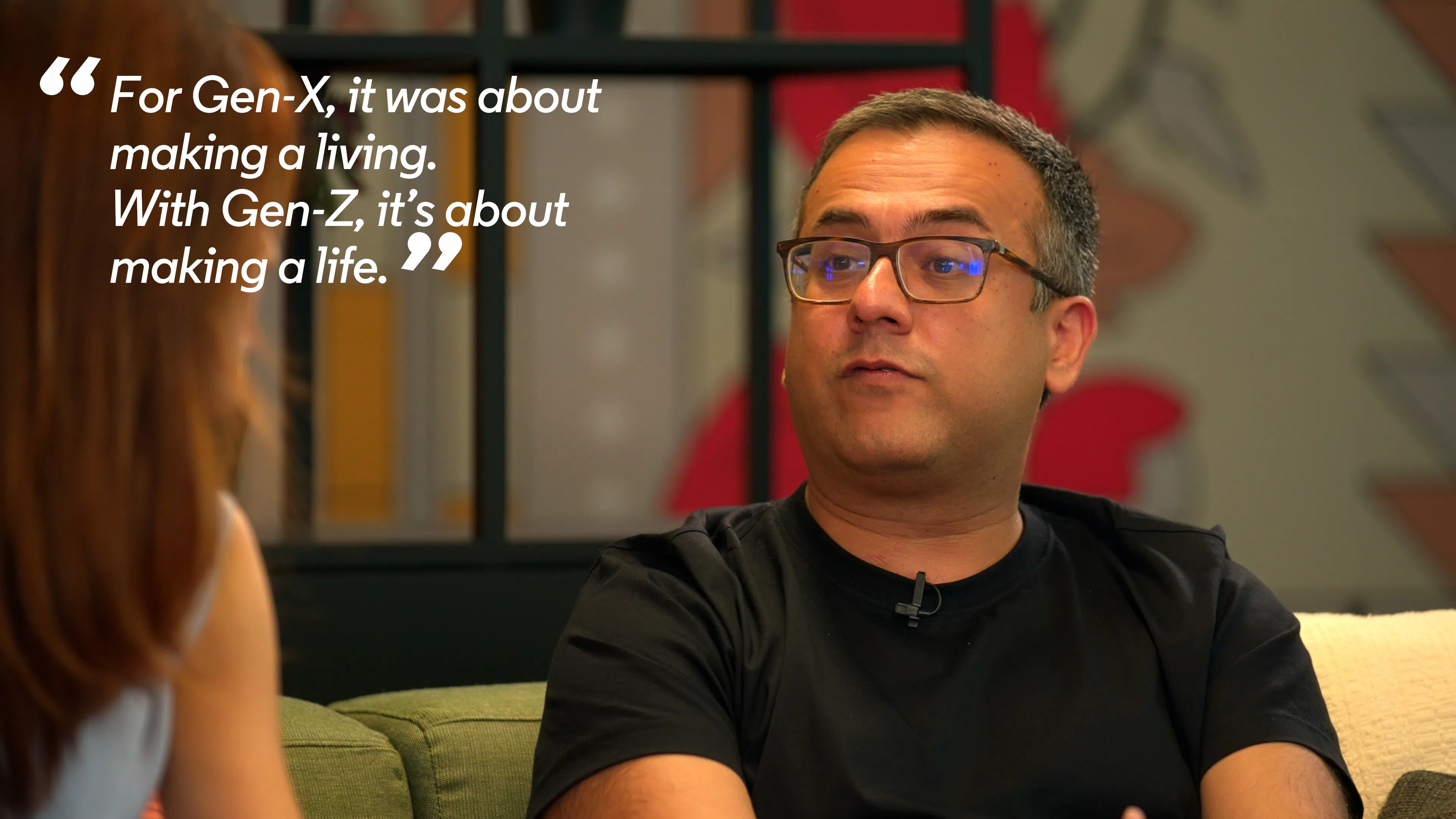
These words from Spotify APAC general manager Gautam Talwar and Lee See Ting, author of a book about Gen Zs, are what I find to be the perfect encapsulation of the youngest generation to join our global workforce.
When I first graduated and started work at the age of 21, my focus was on how to make a living and setting the stage for my career. The priorities of Gen Zs today are different – they want to pursue their passions, fulfil their curiosity and desire to learn, and work for organisations that align with their values.
It is fascinating to see how the aspirations of Gen Zs today are so different from all of us who came before. But this also highlights the importance of exploring what motivates this generation, so that we, as business leaders, can fine-tune our talent strategies to better connect with the workforce of the future. This is especially the case because by 2025, Gen Z will make up a quarter of our population, and by 2030, this demographic will make up over 30 per cent of the global workforce.
Here are my top three observations of Gen Z:
1. They prioritise their passion and values
While this generation is often viewed as challenging conventional workplace norms, there are several factors that have contributed to this fundamental shift in mindsets for Gen Zs – like prioritising their passion, which determines their career choices.
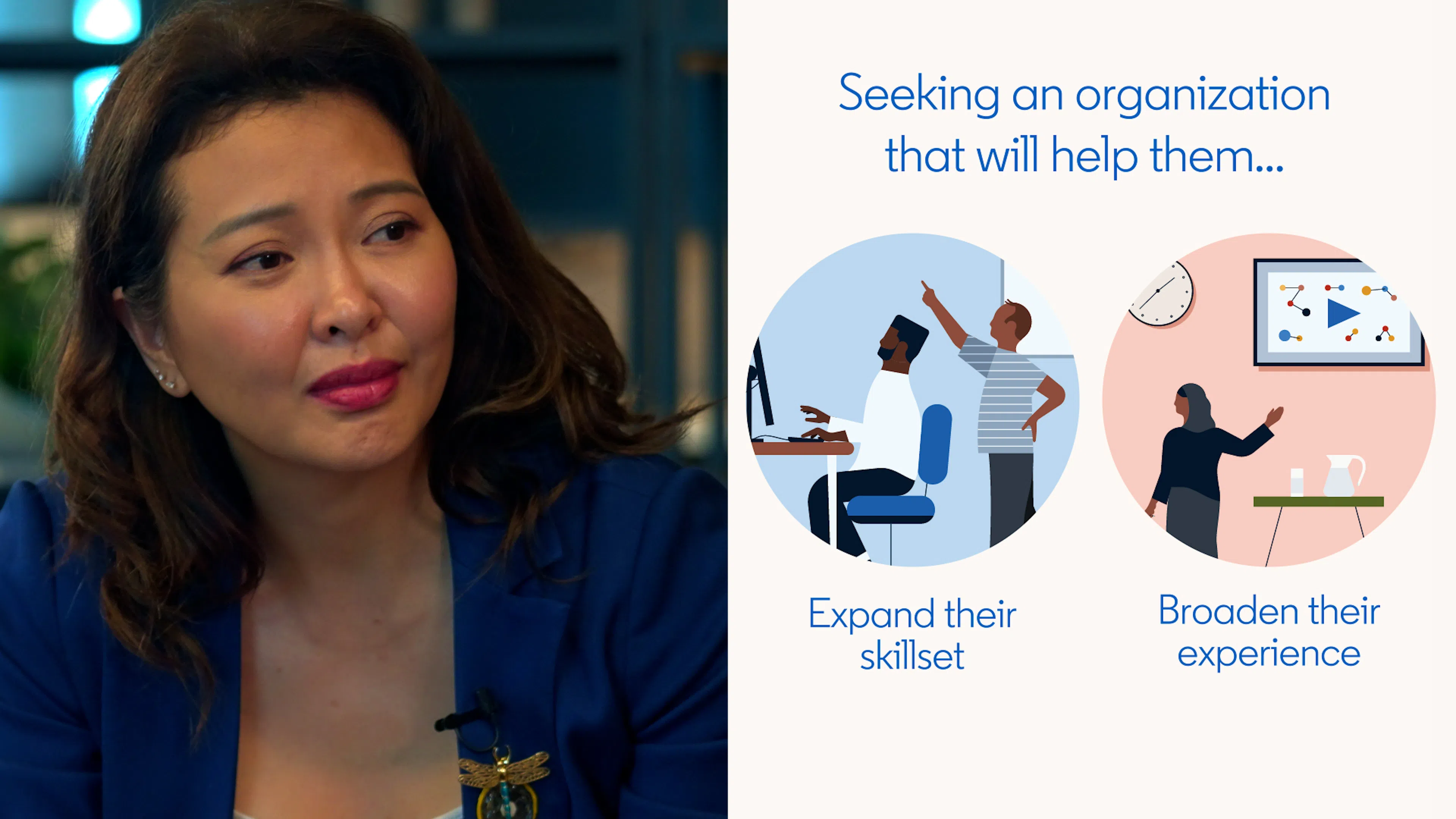
Growing up in a digitally connected world, Gen Zs have easy access to information about various careers and industries, making them more informed and intentional about their career choices. With added exposure to global issues, diverse cultures, market uncertainty and job market fluctuations, these factors have contributed to a pivotal shift in the attitudes of Gen Zs towards their careers – broadening their perspectives, and making them more intentional in looking for purpose-driven careers compared with other generations.
According to Lee, besides being serious about their passions, Gen Zs also want to align themselves with organisations that share similar values.
Talwar believes that one of the key values for Gen Zs is diversity – in line with that, they are an incredibly diverse generation. Therefore, he posits, “it is important that the conditions of the workplace are inclusive and enable diverse perspectives to be presented and represented”.
This is also what we are seeing on LinkedIn. Our recent survey found that Gen Zs are looking for companies whose values align closely with their own.
A company’s culture and core values are increasingly important to employees, especially for this demographic – in fact, 87 per cent of Gen Zs would leave their jobs if the values of the new company taking them on were more closely aligned.
We also observe that companies are already adapting to the shifting preferences of job seekers. In the last two years, there has been a 154 per cent surge in job postings for entry-level positions that highlight the values of the company.
Leaders who emphasise their core values, as well as support this generation in taking on passion projects beyond work, will do well in attracting and retaining young talent – creating a work environment that shares common values and strives toward shared goals.
Here at LinkedIn, our employees can join what we call employee resource groups, which allow them to connect with over 5,000 LinkedIn team members across the globe to discover and support the diverse cultures and communities across the company, including people with disabilities and invisible illness. These connections build and strengthen our community to develop the next generation of LinkedIn leaders.
2. They need space to be their authentic selves
Hyper-connectivity and social media ubiquity have exposed Gen Zs to global issues, which have broadened their perspectives. These, in turn, show up in their priorities towards work as well as what they seek from the workplace – such as advocating transparency and mental health, being their authentic selves, and championing inclusive and supportive cultures.
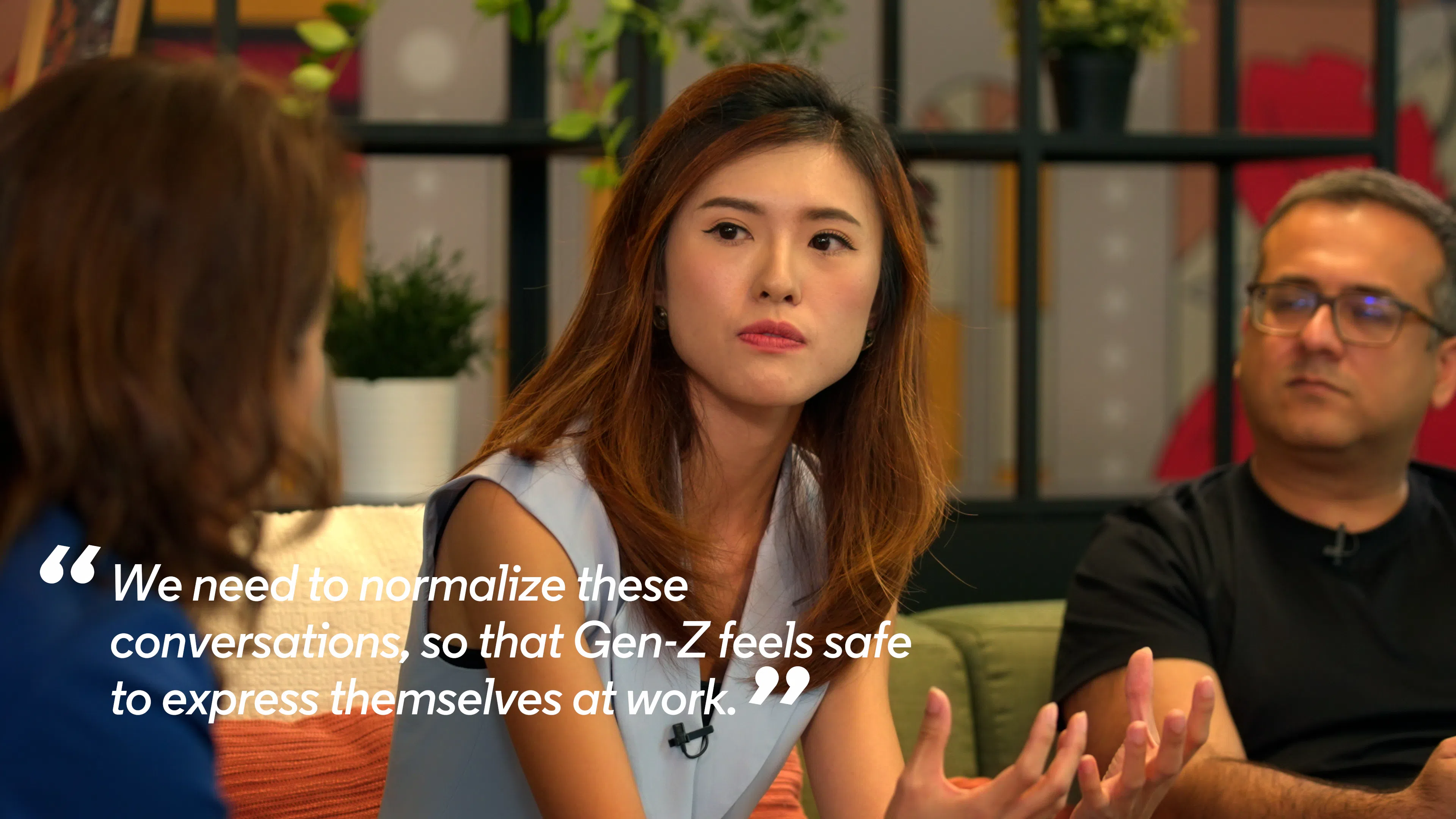
Lee also says that workplaces are evolving to become more embracing of these things. She notes that Gen Z wants to be able to normalise conversations around what were considered “taboo” topics like mental health and flexibility at work.
Providing a safe space for Gen Zs to learn from their mistakes and to move forward is also important. Talwar observes that Gen Zs come in with a lot of sincerity when they start their career, but also with a lot of stress. “It is important for employers to encourage the willingness to make mistakes, but that employees don’t regret these mistakes, learn from them, level up, and move forward,” he adds.
Leaders today need to adapt their leadership style. Actively working towards normalising “taboo” topics, and establishing a safe space for candid conversation and feedback, for instance, will go a long way in making Gen Zs feel like they can bring their authentic selves to work, improving engagement, productivity and job satisfaction in the long run.
3. They want to keep learning
Skills for jobs have changed by 25 per cent globally since 2015, and this pace of change was even higher in the Asia-Pacific: 27 per cent in Australia, 30 per cent in India and 36 per cent in Singapore. With AI, job responsibilities are set to change by 65 per cent by 2030.
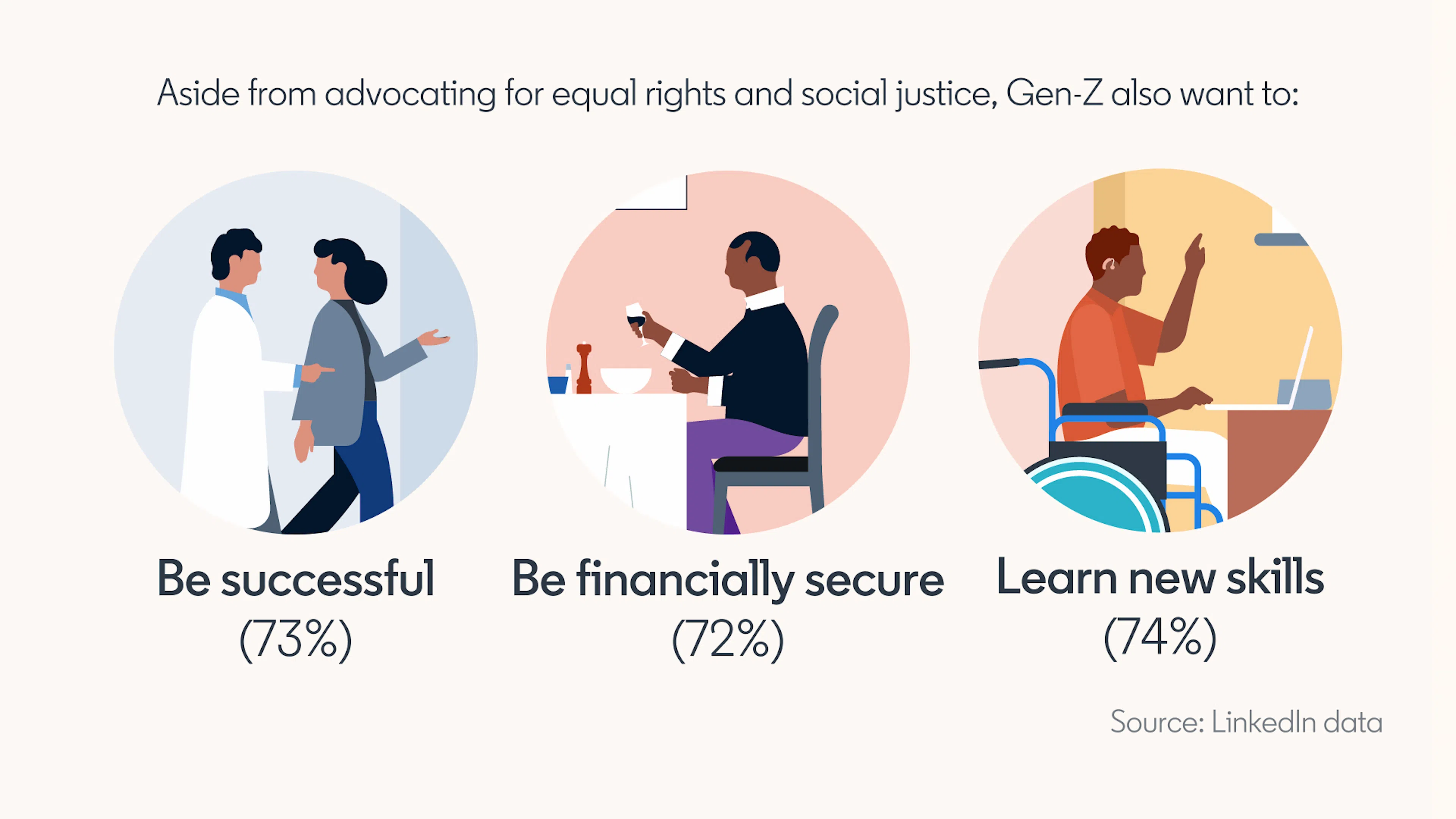
Gen Zs are primed to adapt to these changes in jobs and skills. Based on LinkedIn’s data, aside from advocating for equal rights and social justice, Gen Zs want to learn new skills (74 per cent), be successful (73 per cent), and be financially secure (72 per cent), and they are willing to invest time on weekends to achieve those goals. In fact, Gen Z is 47 per cent more likely to spend time learning on LinkedIn compared with other generations.
And, as Lee points out, they are keen to align themselves with organisations that can help expand their skill sets and broaden their experiences. It is important, therefore, to provide Gen Zs with upskilling opportunities at work to keep them engaged, adaptable and relevant in the future workforce.
In today’s dynamic workforce, fostering greater collaboration across different generations is a must. Collaboration across generations is proof of an organisation’s adaptability to bridge generational gaps and to harness the diversity of generational perspectives to drive success and innovation.
Feon Ang is Apac managing director at LinkedIn