
How to Join Spin Class Confidently on Day One
- Sync Cycle Team

- 7 days ago
- 6 min read
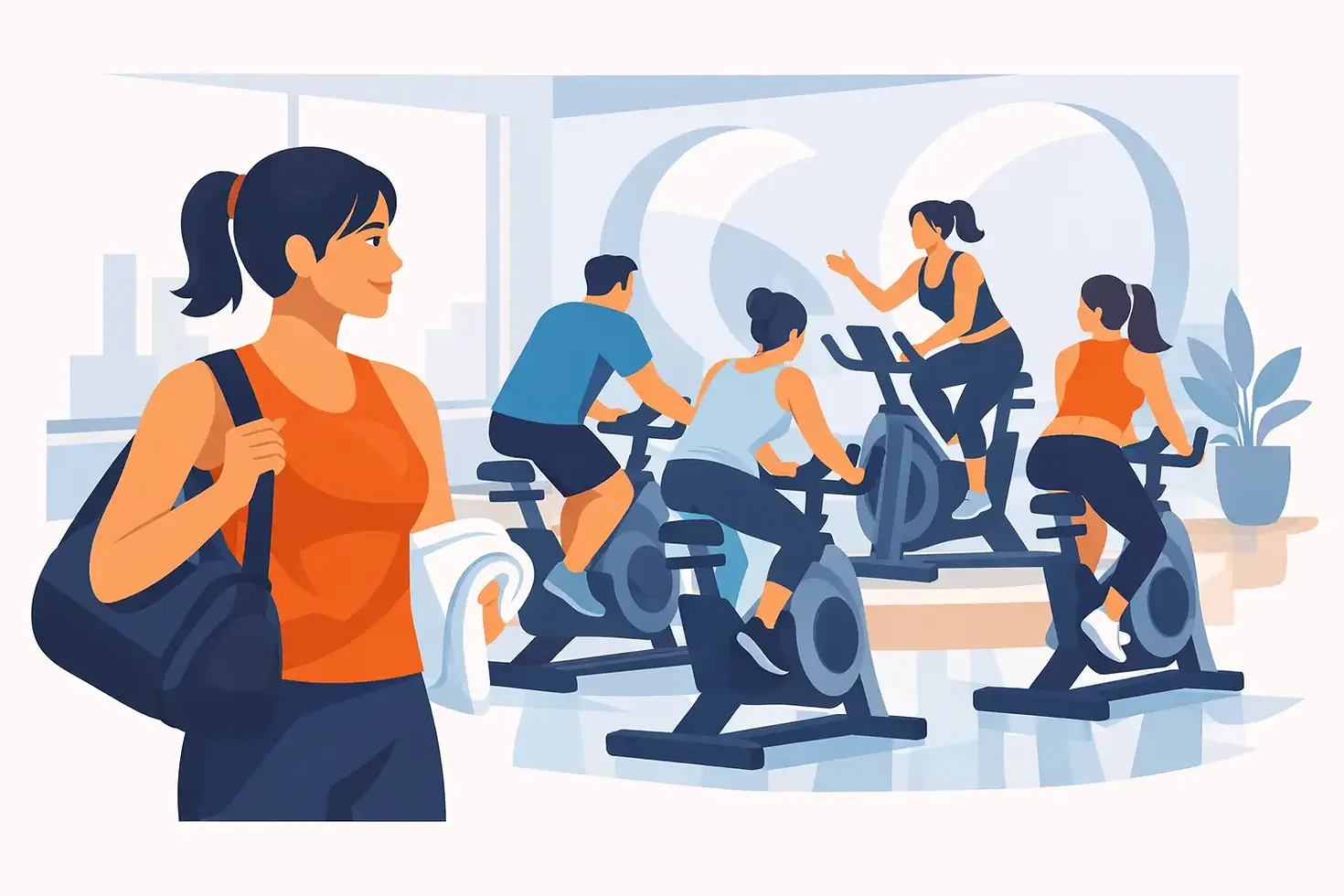
Walking into a spin studio for the first time can feel like arriving five minutes late to a party where everyone already knows the choreography. The lights are low, the music is up, and the bikes may look more serious than they are. But learning how to join spin class confidently is not about arriving as the fittest person in the room. It is about giving yourself permission to be new, move at your own pace, and enjoy the ride.
At a good studio, nobody expects a first-timer to nail every beat, every tap-back, or every hill. You are there to smile, sweat, sing, and find out what feels good in your body. That is more than enough for ride one.
How to Join Spin Class Confidently Before You Arrive
Confidence starts before the playlist drops. Book a beginner-friendly class or choose a time when you are not rushing from work, errands, or a packed social calendar. Giving yourself a little breathing room makes the whole experience feel less like a test.
Plan to arrive 10 to 15 minutes early for your first session. This is not because you need a long orientation. It simply gives the instructor or studio team time to help set up your bike properly, explain the resistance knob, and answer the questions you might feel silly asking. They are not silly, by the way. Every regular rider asked them once.
Wear something you can comfortably move and sweat in. A supportive sports bra, workout top, and fitted shorts or leggings are an easy place to start. Loose, flowing pants can catch on the bike, while very thick fabric may feel warm fast in a high-energy class. Bring water and a small towel if the studio does not provide one.
Do not overthink shoes. Many studios offer cycling shoes that clip into the pedals, and a staff member can show you exactly how they work. Clipping in can feel unfamiliar for about 30 seconds. Then it usually becomes just another part of getting ready.
Your Bike Setup Matters More Than Looking Cool
A bike that is set up for your body makes riding more comfortable, safer, and much more enjoyable. Ask for help rather than guessing. There is no prize for adjusting your bike alone.
Your seat height should generally allow for a soft bend in your knee at the bottom of the pedal stroke. If your hips are rocking side to side when you pedal, the seat may be too high. If your knees feel overly cramped at the top of each rotation, it may be too low.
Next, adjust the seat forward or backward. When one pedal is at the front, your bent knee should sit roughly above the middle of your foot. Your handlebars should feel reachable without forcing you to hunch or stretch. New riders often prefer them a little higher, which can take pressure off the lower back and shoulders.
There is no need to memorize every angle. Let the instructor help, then make small changes during class if something feels off. A little discomfort from working hard is normal. Sharp knee pain, numb hands, or a pinching feeling in your hips is a reason to pause and adjust.
Know What the Instructor Is Actually Asking You to Do
Spin class has its own mini language, but you do not need to learn it all before your first ride. The key word is resistance. It controls how heavy or light the pedals feel. Turn it up to make the ride feel like a hill. Ease it back to make recovery feel lighter.
When the instructor asks for a little more resistance, make a small adjustment first. You can always add more. If the beat is quick and your legs are bouncing uncontrollably, that is usually a sign you need more resistance, not more speed.
You may hear cues such as seated climb, standing climb, jog, or tap-back. Think of them as invitations, not demands. Stay seated if standing does not feel right. Slow down if the rhythm is too fast. Skip choreography if you are still getting comfortable with the bike. Your ride still counts.
The most useful rule for a first class is simple: keep enough resistance on the pedals that you feel supported and in control. A little tension gives your legs something to work against and helps your movement stay steady.
Let Your First Ride Be a First Ride
The fastest way to drain confidence is to decide you need to keep up with the rider beside you. They may have been coming for months. They may be having an easy day. They may also be quietly wondering how everyone else makes it look so effortless.
Your job is to listen to your own effort. You should be able to breathe, even if you are breathing hard. You should feel challenged, but not panicked. If you need a recovery, take it. Lower the resistance a touch, sit down, sip water, and come back when you are ready.
This is especially true in Singapore's warm, humid climate, where getting to the studio can leave you feeling overheated before class begins. Hydrate beforehand and keep your bottle close. If you have not exercised for a while, it is smart to begin with one or two rides a week instead of trying to become a spin regular overnight.
Progress in indoor cycling is not always about going faster or turning the resistance higher. It can look like recovering more quickly, feeling steadier out of the saddle, or realizing you spent half the class singing along instead of watching the clock.
The Music Is There to Help, Not Judge
Music-driven cycling can look intimidating from the outside because riders seem to move in perfect sync. In reality, the rhythm is one of the best tools you have. It gives your mind something to follow when your legs are working and turns a workout into a shared experience.
You do not need to catch every beat. Start by finding a pedal rhythm that feels stable, then let the music carry you when it can. Some songs will make you feel unstoppable. Others may be your moment to settle in, breathe, and spin your legs out. Both are part of the class.
If a movement feels awkward, keep your hands on the handlebars and pedal to the beat. There is no pressure to perform. The room is dark for a reason: it is a space to show up as you are, not to put on a fitness show.
What to Say When You Feel Nervous
You do not need a big speech at check-in. A quick, honest sentence is enough: “It’s my first spin class. Could someone help me set up?” That tells the team everything they need to know.
You can also let the instructor know before class starts if you are managing an injury, returning to exercise, pregnant, or simply feeling anxious. They can offer practical options without making a fuss. The best instructors cue the room, but they also make space for individual riders.
At Sync Cycle, the Riders First approach means beginners do not need to earn their place. You belong in the room from the moment you clip in. Whether you ride every beat or take extra breaks, you are still part of the energy.
A Few First-Class Habits That Make a Real Difference
Try not to arrive on an empty stomach if you can help it. A light snack one to two hours before class, such as fruit, toast, or yogurt, can help you avoid that sudden low-energy feeling halfway through. Heavy meals right before a ride may be less comfortable, so keep it simple.
During class, relax your shoulders and avoid gripping the handlebars like they owe you money. Keep a soft bend in your elbows, engage your core gently, and let your legs do most of the work. When you stand, shift your hips back slightly rather than leaning all your weight onto the handlebars.
Afterward, give yourself a few minutes to cool down. Drink water, stretch your quads and calves, and notice what surprised you. Maybe the class was harder than expected. Maybe it was more fun. Maybe you were nervous until the first song, then forgot to be.
Come Back Before You Judge Yourself
One spin class is an introduction, not a verdict on your fitness. Your seat may feel unfamiliar, your legs may get tired sooner than you hoped, and the beat may take a little time to find. That is normal.
Give it two or three rides before deciding whether spin is for you. Familiarity changes everything. Once bike setup, clipping in, and class cues become routine, you have more space to enjoy the music, feel the group energy, and notice your own strength building.
Walk in early, ask for help, choose your own resistance, and let yourself be a beginner. The room does not need perfection from you. It just needs you to show up ready to smile, sweat, and maybe sing a little louder than you planned.


Comments