Explore Condiments and Salad Dressings
Condiments and salad dressings bring contrast, moisture, and character to everyday meals. This category spans table sauces, spreads, dips, marinades, and pourable or spoonable dressings, from familiar ketchup and mustard to creamy ranch and bright vinaigrettes. A small amount can balance richness, add acidity, or emphasize herbs, spices, and savory notes. Choose products around how they will be used: a sandwich spread needs a different texture from a dressing for leafy greens, while a dipping sauce should cling without overwhelming. Explore classic staples alongside specialty flavors when you want to refresh meal routines. Ubuy provides a place to discover international condiment and dressing products, including different flavor profiles and formats. Read product labels for ingredients, pack size, and suggested uses before choosing. This category suits home cooks seeking quick ways to personalize meals.
- Sauces, spreads, dips, and dressings
- Options for everyday meals and entertaining
- Check flavor, texture, and intended use
Compare Popular Dressing and Sauce Types
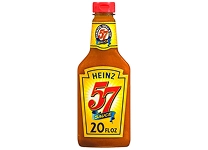
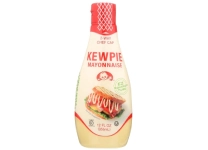
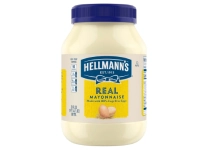
Vinaigrettes combine oil with an acidic ingredient such as vinegar or citrus, creating a pourable option for greens, vegetables, and grain bowls. Creamy dressings, including ranch, Caesar, and blue cheese styles, offer a richer texture for salads, wraps, and dipping. Other choices include sesame, ginger, and sweet-and-sour sauces, plus barbecue, hot sauce, mayonnaise, ketchup, and mustard for meals beyond salads. Some products are ready to use; others are concentrated, powdered, or designed as a marinade or cooking ingredient. Look for descriptions such as smooth, chunky, emulsified, or pourable to anticipate consistency. Brands such as Heinz, Hellmann's, and Kewpie are familiar names across sauce and dressing selections. Comparing format and flavor helps narrow options for your recipes and preferred serving style.
- Vinaigrettes, creamy dressings, and specialty sauces
- Ready-to-use and concentrated formats
- Compare consistency and flavor profile
Check Ingredients, Flavor, and Dietary Preferences
Ingredient lists can help you understand what shapes a condiment's taste and texture. Oil, vinegar, citrus, dairy, eggs, herbs, spices, sweeteners, and thickeners appear in different combinations, so compare labels when a recipe calls for a particular flavor or consistency. Tangy, smoky, spicy, savory, and sweet are useful descriptors, but intensity can vary between products. If you are managing dietary preferences or food sensitivities, review the full ingredient and allergen information on the product packaging rather than relying on a flavor name alone. Labels may also indicate details such as plant-based formulation, reduced sugar, or a specific oil, where applicable. Consider how strongly seasoned dressings will complement the other ingredients in your dish. Checking these details helps make a more informed choice for your kitchen.
- Review ingredients and allergen information
- Match flavor intensity to the dish
- Check stated dietary attributes on packaging
Choose Dressings for Salads, Meals, and Snacks
The best pairing depends on the ingredients and the way you plan to serve them. Light vinaigrettes work well with tender greens, roasted vegetables, and grain salads, while creamy dressings can complement crisp lettuce, potatoes, or sandwiches. Sesame and ginger flavors suit noodle bowls and vegetables, and tangy mustard-based sauces can add lift to roasted or grilled foods. For snacks and shared plates, consider dips and thicker sauces that adhere to vegetables, bread, or other dippable foods. Marinades are designed for coating ingredients before cooking, so check the product directions for recommended use and handling. Serving a dressing on the side can help preserve the texture of delicate greens and lets diners adjust the amount. Browse styles and ingredients on Ubuy to find options suited to different recipes and occasions.
- Pair flavor and texture with the main ingredients
- Use dips for snacks and shared plates
- Follow directions for marinades and serving
Consider Packaging, Storage, and Everyday Use
Packaging can influence convenience, portioning, and how easily a product fits into your routine. Bottles are practical for pouring, squeeze formats can make dispensing more controlled, and jars may suit thicker sauces and spreads. Larger containers can be useful for frequent cooking, while smaller packs may suit occasional use or trying a new flavor. After opening, follow the storage instructions and use-by guidance printed on the packaging; refrigeration requirements differ by product. Keep caps and rims clean to reduce drips, and avoid using utensils that may introduce food into a jar. Some dressings separate naturally, so check the label for instructions such as shaking before serving. If you are comparing several options, consider pack size alongside intended frequency of use, storage space, and serving style—not just the flavor description.
- Compare bottle, squeeze, and jar formats
- Follow on-pack storage guidance after opening
- Choose pack size for your typical use
Select the Right condiments salad dressings
Start with the meal you want to prepare, then narrow your choice by flavor, consistency, ingredients, and format. For a crisp side salad, a light vinaigrette may be a good fit; for a hearty wrap, a creamy dressing or spread could work better. Consider whether you want a versatile pantry staple or a distinctive sauce for a particular recipe, and compare product descriptions to find the intended use. Check the ingredient list, allergen details, pack size, and storage directions before adding an option to your basket. If you are exploring unfamiliar styles, begin with a flavor profile that complements foods you already enjoy, then try more adventurous choices. A thoughtfully chosen condiment can make simple ingredients feel varied while helping you tailor meals to personal preferences.
- Begin with the recipe or serving occasion
- Compare ingredients, texture, and pack details
- Choose familiar or adventurous flavor profiles