


Over the past decade, reports have periodically surfaced that China is about to ease its restrictions on South Korean entertainment content. Now, with a breakthrough in free trade talks between the two countries, South Korea’s entertainment industry is once again seeing hope of returning to the mainland Chinese market.
The latest positive signal came from talks between Chinese President Xi Jinping and South Korean President Lee Jae Myung on Wednesday (18 November), during the Asia-Pacific Economic Cooperation (APEC) summit in Shenzhen.
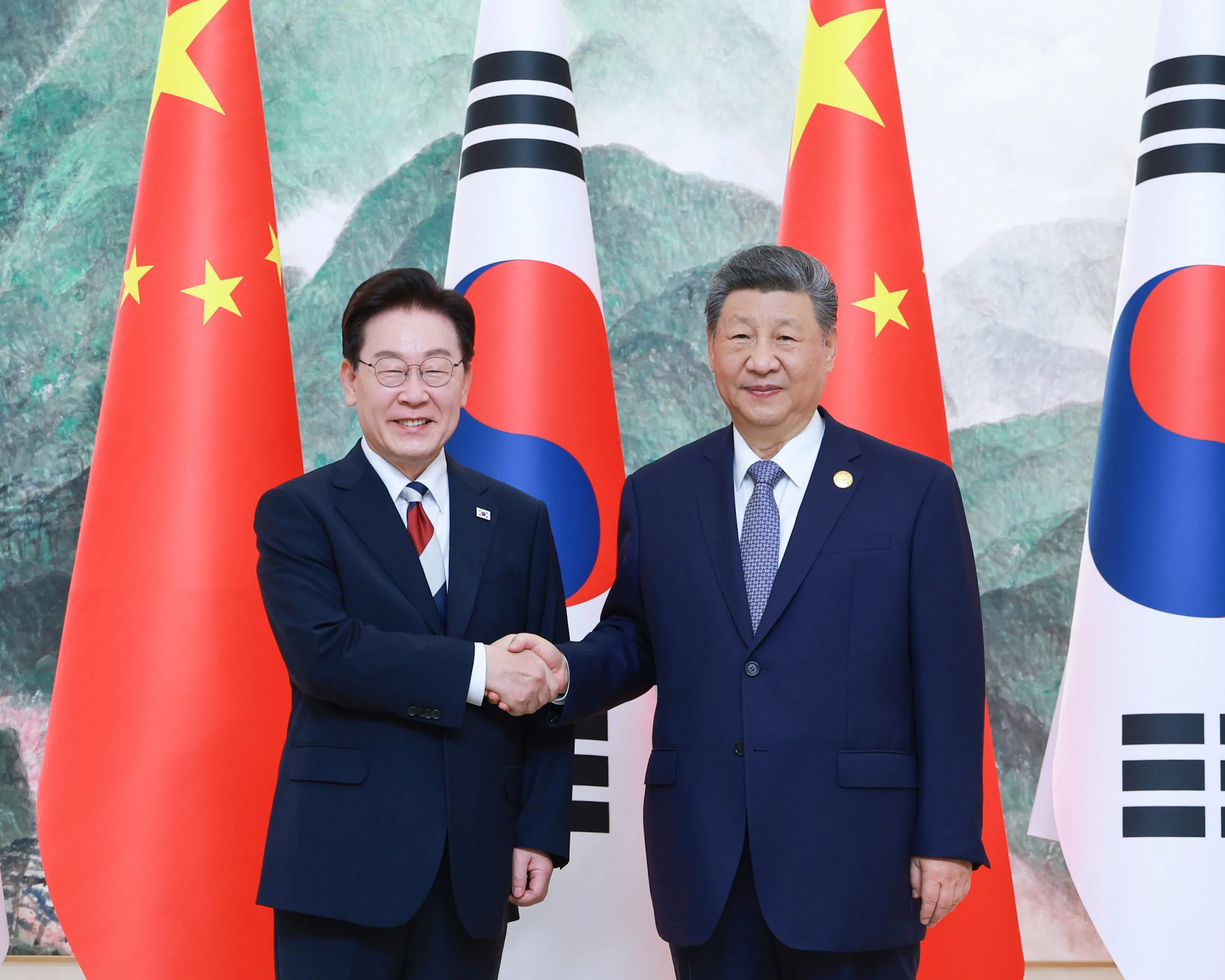
Xi said China and South Korea had substantially concluded the second phase of negotiations on their free trade agreement (FTA), and that both sides should make good use of this institutional framework to share development opportunities. He also said China was willing to continue promoting people-to-people exchanges with South Korea and “gradually pursue healthy and beneficial cultural exchanges”.
Lee proposed that the two countries use the conclusion of negotiations as an opportunity to help more businesses enter each other’s markets, and expand exchanges in culture and creative content in stages.
On the specific arrangements covered by the talks, South Korea’s Ministry of Trade, Industry and Resources said China had pledged most-favoured-nation treatment for South Korea in sectors including film and gaming. This means South Korean companies would receive treatment no less favourable than that given to companies from third countries. Preliminary reviews of content such as online games and films would also be subject to the principle of non-discrimination. Both sides also agreed to expand the scope of audiovisual co-productions beyond films to include television dramas, animation, variety shows and documentaries.
Reuters said the agreement could signal an easing of China’s restrictions on South Korean entertainment, which have been in place for nearly a decade.
Relations between China and South Korea deteriorated sharply in 2016 after Seoul decided to deploy the US Terminal High Altitude Area Defense (THAAD) anti-missile system. China subsequently imposed informal restrictions on South Korean entertainment content, hindering access to the mainland market for South Korean films, television programmes and performers. K-pop concerts were also affected. Beijing, however, has never acknowledged the existence of the restrictions.
These barriers, imposed in practice without any formal documentation, have long made it difficult for observers to judge which restrictions remain in force, where they have eased, and how far approval for an individual production or event reflects a policy shift.
This is precisely why the latest negotiations have drawn attention. The original China–South Korea FTA took effect in 2015, while follow-up talks on trade in services and investment began in 2018. It took more than eight years to achieve this breakthrough. For South Korea’s content industry, incorporating such treatment into a trade arrangement could provide a more stable institutional basis for entering the Chinese market. Expanding the scope of co-productions also means more opportunities for production and collaboration.
Buoyed by the news, South Korean entertainment stocks broadly rose in early trading on Thursday (19 November). CJ ENM surged more than 20%, JYP Entertainment rose about 2%, and SM Entertainment gained about 7%. HYBE, the agency behind BTS, also rose about 7% at one point.
Market optimism, however, does not mean the restrictions have been fully lifted. Most-favoured-nation treatment and the principle of non-discrimination concern how South Korean companies and their content should be treated; they do not mean individual productions will automatically be approved for broadcast or screening. Nor has China made any clear commitment to allow K-pop concerts, the issue of greatest concern to fans.
Signals of easing have repeatedly fallen short
Indeed, similar signals have emerged many times over the past decade, but there has always been a gap between approval for individual productions or events and a broader opening.
In 2021, the South Korean film Oh! My Gran (《哦!文姬》) was released in mainland China, seen as marking South Korean cinema’s return to commercial cinemas there after six years. Observers briefly hoped it would open the door to more South Korean productions, but a sustained return never materialised.
The live entertainment market has seen a similar pattern. Over the past two years, South Korean acts including TWICE, IVE and Kim Jae-joong have travelled to the mainland for autograph sessions, fan meetings and other events. South Korean hip-hop group HOMIES also performed in Wuhan in 2025 as part of a tour. These examples show that South Korean performers’ activities on the mainland have not come to a complete halt, but approvals for such events have yet to translate into a broader opening.
EPEX, a boy band whose members are all South Korean, was scheduled to hold a concert in Fuzhou in May 2025, but announced its postponement three weeks before the show, citing “local circumstances”. In September that year, the large-scale K-pop Dream Concert scheduled for Sanya in Hainan was also postponed after failing to secure a performance permit.
Commercial partnerships have also prompted speculation about an easing of restrictions. McDonald’s China launched a large-scale promotional collaboration with K-pop superstar G-DRAGON in October this year, while KFC China announced on 2 November that it would run a “K-SPICY” marketing campaign tied to activities by boy band NCT DREAM. These successive partnerships between food brands and South Korean performers have raised hopes of a broader K-pop return to the Chinese market.
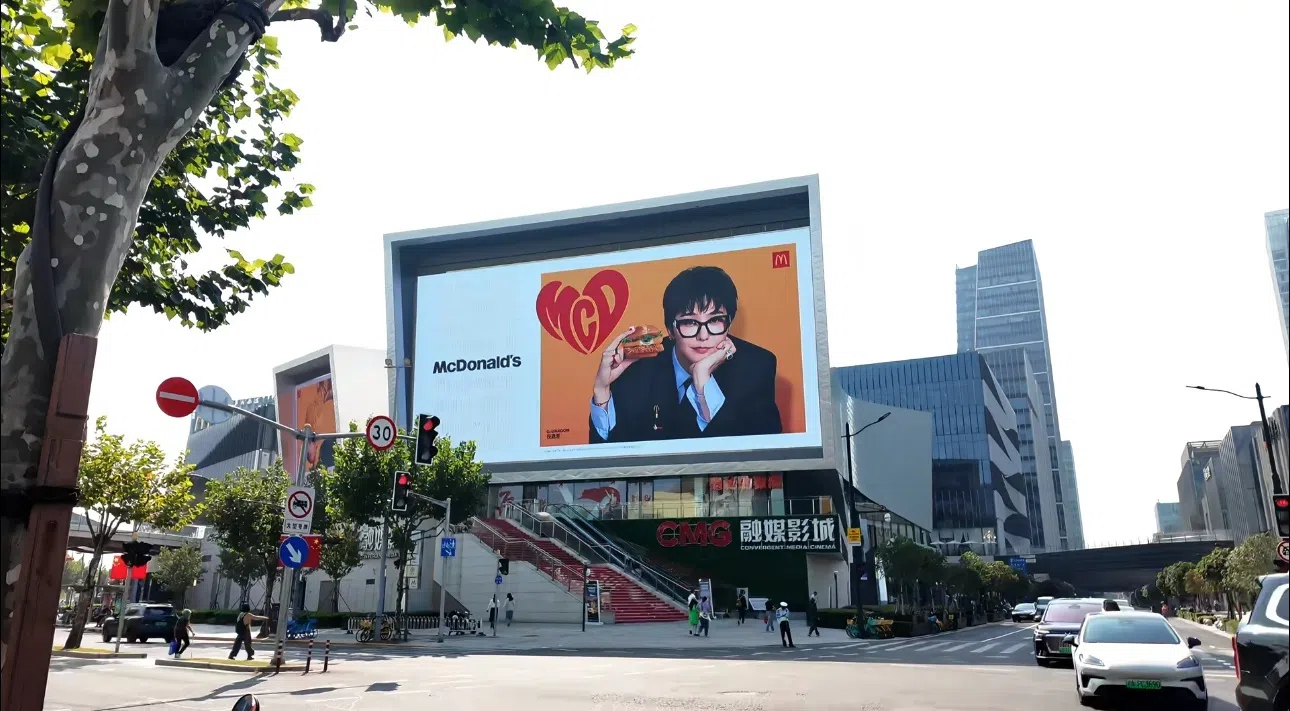
Advertising partnerships, autograph sessions and concerts, however, are subject to different approval and regulatory requirements. Growing commercial collaboration does not mean restrictions on performances have also been lifted.
This explains why the industry remains cautious despite the positive news from the free trade talks. According to The Korea Herald, a senior official at South Korea’s presidential office noted that the agreement contained no provision requiring either side to approve performances by singers from the other country. “Rather than meaning that concerts by Korean singers can now be held freely, it means more channels have opened up for us to continue seeking approval for such performances through discussions with China.”
As Beijing has never formally acknowledged the restrictions, it may not issue an explicit announcement lifting them either. Actual event approvals therefore offer a more useful guide. According to Bloomberg, analysts at Daol Investment & Securities regard the return of full-scale K-pop concerts capable of drawing more than 10,000 spectators as an important indicator of a policy shift.
If K-pop returns, it will find a changed Chinese market
South Korea’s entertainment industry has never stopped hoping to return to China, naturally because the market still offers considerable commercial opportunities.
For South Korea’s film and television industry, which faces rising production costs and tighter financing, expanding distribution and collaboration in China could bring fresh funding and revenue. Restrictions on official distribution channels have not entirely extinguished Chinese viewers’ demand for South Korean dramas. If licensed distribution resumes, some of the viewing demand now going to unauthorised websites could also be converted into revenue for producers.
K-pop events in Hong Kong, Macau and Taiwan offer a glimpse of mainland audiences’ demand for such performances. The Korea Herald previously quoted a representative of a major South Korean pop music agency as saying that, with large-scale promotional activities on the mainland still difficult to organise, the company had received significantly more invitations to events in Hong Kong, Macau and Taiwan. These places have also become destinations for mainland fans travelling across borders to see their idols.
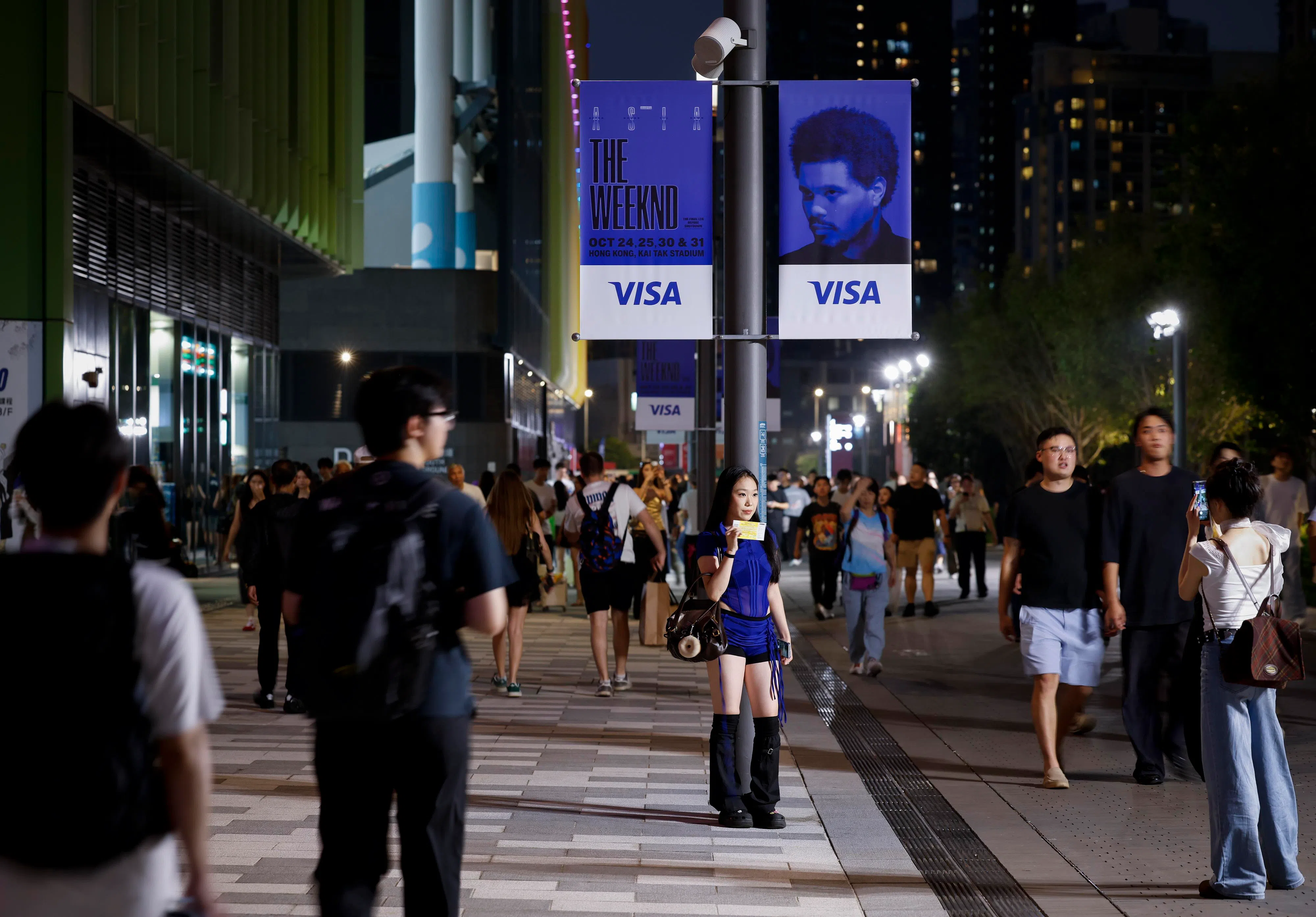
If the mainland allows large-scale K-pop performances, some of that spending could shift elsewhere. An editorial published by Hong Kong’s Sing Tao Daily on Thursday noted that a new period of active cultural exchanges between China and South Korea would reduce the advantages Hong Kong has enjoyed because of differences between its system and the mainland’s.
The editorial argued that, under the restrictions, Hong Kong had used its “one country, two systems” advantage to become an important gateway for K-pop into the Greater China market. This drew mainland fans to Hong Kong, benefiting hotels, restaurants, retailers and cross-border transport operators. If South Korean performers can stage large-scale tours directly on the mainland, Hong Kong’s mega-event economy will inevitably be affected.
For the mainland, hosting K-pop concerts could similarly stimulate spending in related sectors, in line with the policy goal of boosting domestic demand through services consumption. The potential opportunities have also prompted South Korean companies to position themselves early: HYBE has set up a business presence in China, while SM Entertainment has deepened its collaboration with Tencent Music Entertainment Group. Even with large-scale performances still restricted, commercial ties between the two countries’ entertainment industries have not been severed.
Returning to the Chinese market, however, does not mean simply picking up where business left off a decade ago.
In the intervening years, China’s domestic music, film, television, microdrama and gaming industries have developed rapidly, while audiences’ choices and spending habits have also changed. South Korean companies now face a Chinese market with a richer range of domestic content and fiercer competition. Expanding co-productions, developing performers for the local market and working with Chinese platforms could become important ways to regain a foothold.
The returns from an opening will therefore depend not only on whether approval and distribution channels become accessible, but also on how many viewers South Korean cultural content can still attract. China’s market is vast, but that does not mean K-pop can automatically replicate its past success.
Companies also need a stable policy outlook to keep investing in new productions, performers and tours. The restrictions began with a security and diplomatic dispute. Whether this thaw in cultural exchanges can withstand the next fluctuation in bilateral relations remains an open question.
