Shein shines with Gen Z
ONLINE fashion retailer Shein was founded in China, but only sells abroad. The brand launched in South-east Asia in 2021, testing the waters in Singapore before expanding to the Philippines, Thailand, Malaysia and other markets.
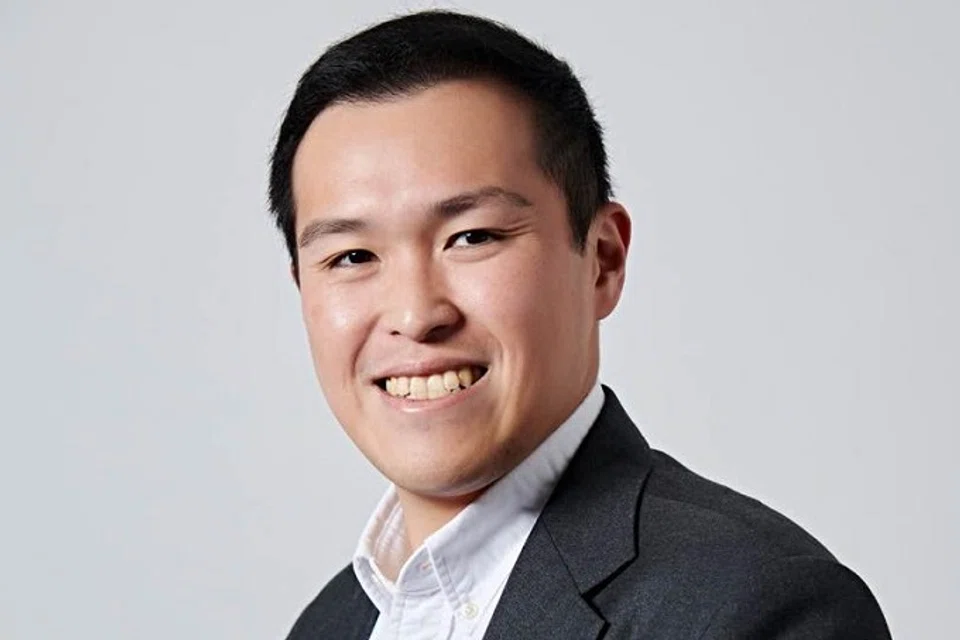
Shein’s Singapore country general manager Leonard Lin said that setting up a regional base in Singapore helped the brand gain insights into the needs of nearby markets, smoothing the path for expansion in the region.
He said: “In terms of localisation, we worked with the younger demographic of South-east Asia, seizing on their preferences and making full use of omni-channel promotion of activities for local markets, to build a credible brand image among the younger fashion community.”
South-east Asia is very different from other regions, Lin added, with huge variations in each market’s language, currency, culture, laws and geography. As a result, each market requires a strategy tailored to its unique environment.
Take Thailand, for example, where competition in the fashion industry is intense. While Shein needs to maintain its pricing advantage, it also has to focus on staying trendy and keeping up with product quality.
With South-east Asia having become the breeding ground for some global trend-setting companies in recent years, many international companies – including Shein – see the region as a key strategic location, said Lin. There is still an unmet need in personalised fashion among consumers here, which presents a huge opportunity for Shein, he added.
The brand’s next step is to further develop its operations in South-east Asia, including expanding its regional team, growing its network of local vendors, and looking into more models for developing its business. Shein expects its business in South-east Asia to double or triple this year.
Tan Chee Yun is a correspondent with Lianhe Zaobao Business News Desk. This article is part of a collaboration on a series of weekly features translated from the Chinese daily. The original story first appeared on July 17. The next package on Aug 1 will look at Vietnam’s post-pandemic emergence as an alternative to China's role as the factory of the world.