Security tangles raise the stakes for Thailand’s US tariff push
The US temporarily halts trade talks with the kingdom, after Bangkok suspends Thai-Cambodia peace process
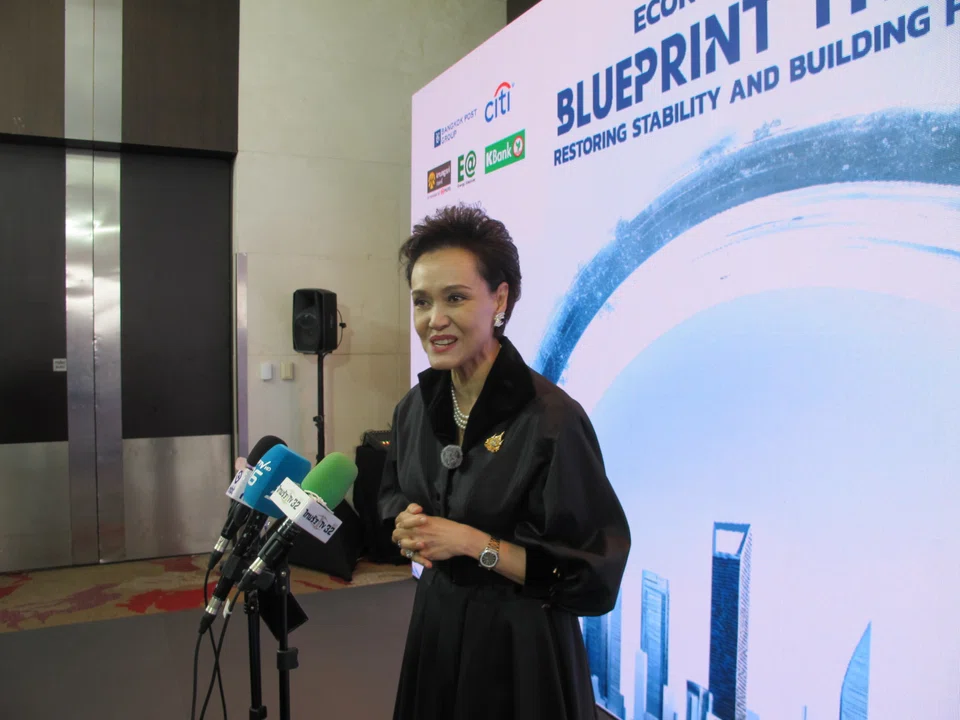
[BANGKOK] When Thailand’s newly appointed Commerce Minister Suphajee Suthumpun – a former tech and hospitality executive – travelled to the US last week to support Thai exporters, her visit did not include any meetings with US trade officials.
The lack of high-level engagement may be telling.
“Suphajee didn’t get to see anyone, not (from the) Commerce (Department), not the US Trade Representative (USTR). That was a deliberate rebuttal,” said Dr Thitinan Pongsudhirak, professor of international relations at Chulalongkorn University’s political science faculty.
The USTR is the main office responsible for negotiating a new trade framework between Thailand and the US under the tempestuous President Donald Trump.
On Nov 14, the USTR sent Thailand’s commerce ministry an e-mail stating that the US had temporarily halted trade negotiations with the South-east Asian country, pending Bangkok’s commitment to uphold the Thailand-Cambodia peace declaration to swiftly resolve their border dispute.
The border row between Thailand and Cambodia has been going on for decades. It broke out into open confrontation in 2011 and again in July this year, when cross-border ordnance firing led to 30 civilian deaths on both sides and 200,000 people were evacuated.
The recent conflict occurred at a time when both Asian countries were desperately trying to meet an Aug 1 deadline to satisfy a list of requirements from the USTR on tariffs and non-tariff barriers to US exports, which, if not met, could have led to a 36 per cent tariff rate on exports to the US.
Trump had intervened at this crucial stage and proposed to reduce the tariff rates on both countries’ exports, if they would sign a peace accord in Kuala Lumpur under the guidance of Malaysian Prime Minister Anwar Ibrahim.
Thailand and Cambodia signed the pact, and got their respective tariff rates reduced to 19 per cent as at Aug 8.
On Oct 26, the peace accord was formalised, again in Kuala Lumpur, at the Asean Summit. It was signed by Thai Prime Minister Anutin Charnvirakul and his Cambodian counterpart Hun Manet, and witnessed by Trump.
But on Nov 10, when what appeared to be freshly laid Cambodian landmines exploded on the Thai side of the border, maiming four Thai soldiers, Anutin abruptly suspended the ongoing peace process, and vowed to place national security above ongoing trade talks with the US.
“If we can’t trade with them, we’ll find others to trade with,” the prime minister told the local press.
Four days later, the USTR paused tariff talks with Thailand, prompting Anutin to make a call to Trump, which he claimed was to persuade the US president to treat the two issues of peace and trade separately.
Trump unlikely to budge
“The discussion about peace is up to the leadership,” said Suphajee. “With regard to trade, there needs to be ongoing discussions with the US Trade Representative. The Thai commerce ministry is ready to continue talks.”
Suphajee’s appointment came through a direct call from Anutin, who said he wanted a seasoned, non-political hand with a track record in running big, complex organisations.
Before joining the Cabinet, Suphajee made her name in the corporate world as group chief executive officer of Dusit International, where she diversified the hospitality group, and in senior roles at Thaicom and IBM. She was the first woman to lead IBM Thailand.
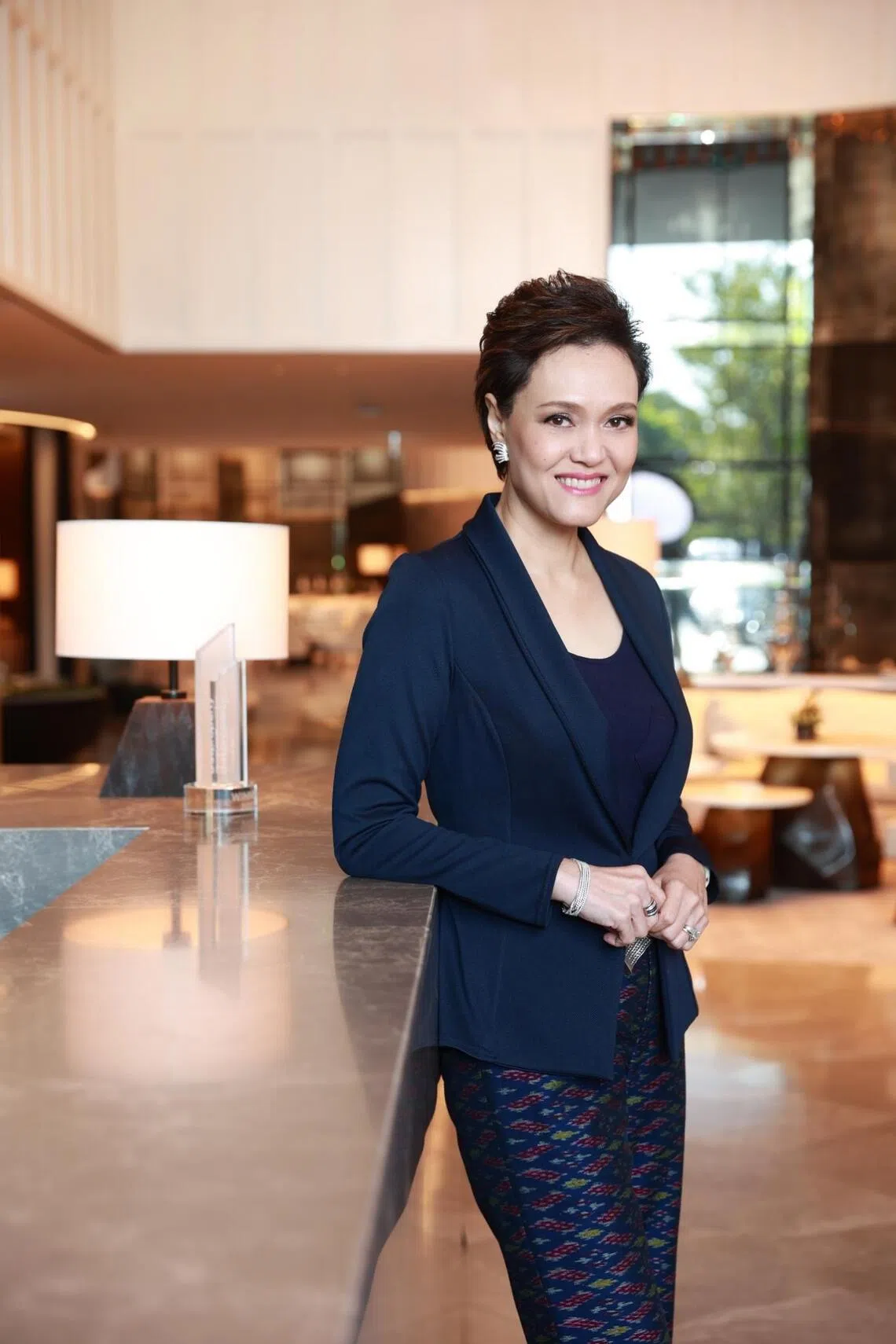
Observers say it wouldn’t be a big surprise if Trump doesn’t go for the plea to separate security and trade matters.
“I doubt that Trump would treat them separately, because why would he? He tied them up in the first place,” noted Prof Thitinan.
The fact that the USTR has not contacted the Thai commerce ministry since mid-November and has gone as far as to snub a visiting commerce minister lends more credence to the view that Trump is unlikely to budge.
According to reports in the Thai media, Deputy Prime Minister and Finance Minister Ekniti Nitithanprapas said last week that talks with the US are proceeding as planned and that both sides are still working towards completing the negotiations by the end of 2025.
Trade matters
Thai exports reached US$300 billion last year, and hit US$283 billion in the first ten months of 2025 – up 13 per cent year on year. Exports account for 60 per cent of Thailand’s gross domestic product, with shipments to the US alone contributing to about 10 per cent of GDP.
Thailand’s exports to the US market last year made up 18 per cent of total exports, leaving the US with a trade deficit of US$45 billion.
The USTR hopes to change that.
In the new US-Thai trade framework, the USTR has outlined around 80 tariff and non-tariff barriers on US exports to Thailand that it wants addressed. If negotiations resume and both sides reach an agreement, the framework would lower tariffs on 99 per cent of US exports to Thailand to zero.
“The trade talks are important on their own,” noted Thai Foreign Minister Sihasak Phuangketkeow.
“They are mutually beneficial. The Americans benefit from the trade talks as well, as we have to open up our market for pork and beef and many of their agricultural products and make considerable purchases of natural gas and quite a few Boeing aircraft,” he said on Tuesday (Nov 25) at the Foreign Correspondents’ Club of Thailand.
Sihasak added that trade matters should not be linked to the issue of Thai-Cambodian relations.
Of note, the US trade wish list includes some difficult demands, such as a clause that would oblige the Thai government to refrain from entering into future free trade agreements (FTAs) that might be detrimental to US trade with Thailand.
“The clause says that any FTA that we do with another country should not have negative implications for the US. That means they would have to check it first. It means we will have to give up some of our sovereignty,” said a government source, familiar with the framework.
New partners needed
The country’s Asean peers Cambodia and Malaysia have already finalised trade deals with the US.
“Cambodia is actually a bit ahead of Thailand (in engaging the Trump administration),” said Prof Thitinan.
He pointed out that Hun Manet has made notable diplomatic overtures, including nominating Trump for the Nobel Peace Prize. The country has also resumed military exercises with the US, secured scholarships for Cambodian cadets to attend West Point, and begun purchasing American defence equipment, he added.
The trade deal marks a shift in US-Cambodian relations, which have been strained in the past by Cambodia’s poor human-rights record, undemocratic rule and illicit activities such as scam centres.
Without a comparable deal, Thailand risks eroding the competitiveness of its US-oriented exports. This gap could, over time, nudge Bangkok to deepen ties with partners it views as more predictable.
“We need new partners,” Suphajee said recently at a seminar, adding: “We are seeking new markets. We are not going to leave our old markets, but we have to seek new markets. We cannot rely on the status quo.”