‘The talent is there’: Is Singapore’s push for board diversity turning a corner?
Progress has been made, but questions remain over whether inclusion is now structural or still symbolic



[SINGAPORE] With women occupying barely a quarter of board positions in the largest Singapore-listed firms, Carol Fong is among the few female directors who have made it to the top.
The 64-year-old independent non-executive director at City Developments Ltd and group chief executive officer of CGS International Securities has spent more than three decades navigating the male-dominated world of finance.
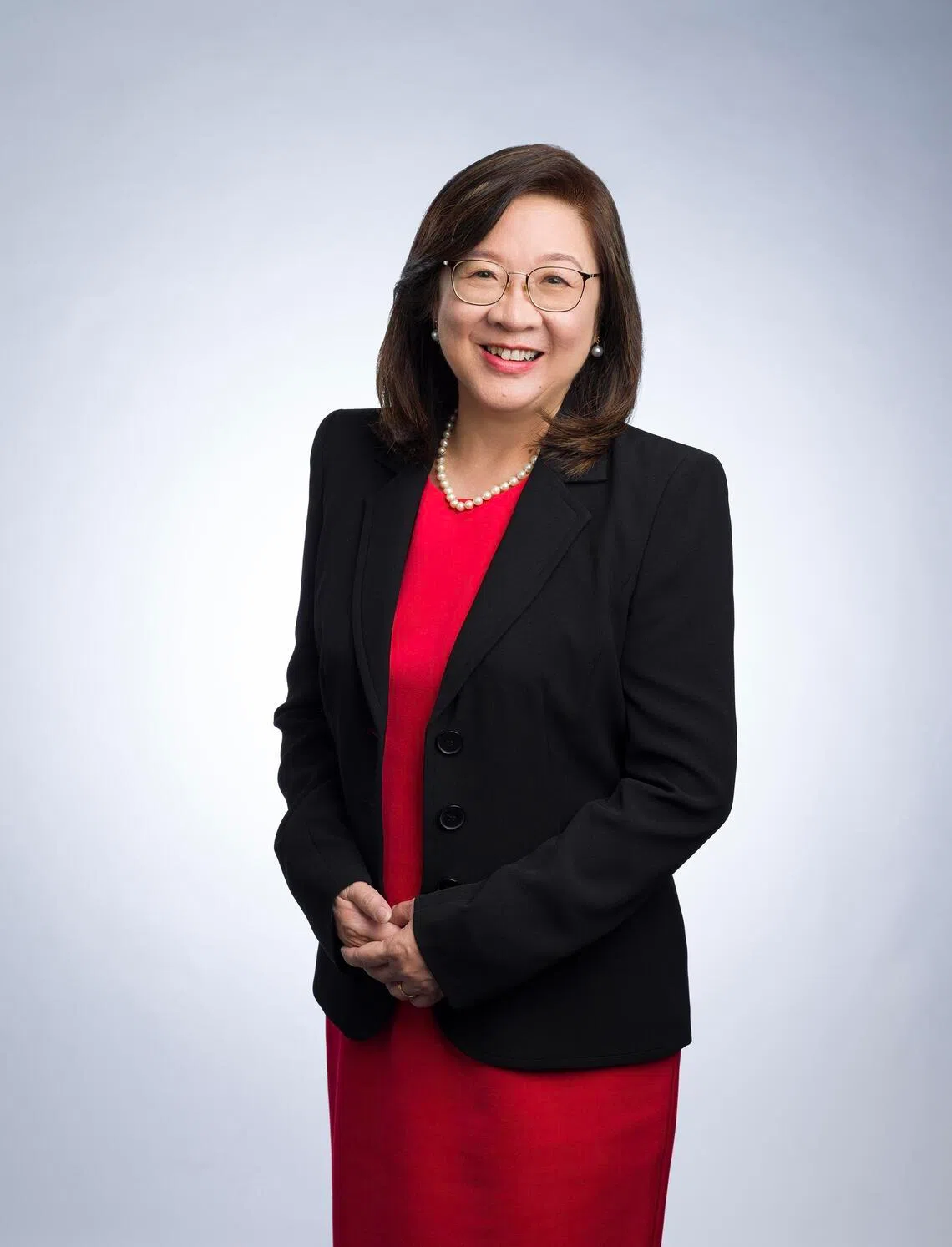
Fong says that she is encouraged by the progress made so far, with Singapore making “commendable strides” in board diversity, particularly in raising awareness and increasing female representation.
The numbers show improvement. According to data from Singapore’s Council for Board Diversity (CBD), women held 25.1 per cent of board seats in the top 100 Singapore Exchange (SGX)-listed companies as at the end of 2024, up from 23.7 per cent in 2023. Women also accounted for 17 per cent of board or committee chair roles – almost double the level in 2018.
The Republic has boosted women’s presence in boardrooms without resorting to quotas – an achievement built on persuasion instead of prescription.
Yet, progress remains uneven. Nearly 31 per cent of listed firms still have no female directors, according to the latest 2025 Board Diversity Index developed by advisory firm WTW in partnership with the Singapore Institute of Directors (SID) and James Cook University Singapore.
Faye Chong, independent director at Food Innovators Holdings, also notes that diversity in other areas, such as age, cultural background or minority-group representation and domain/skills, is either less-emphasised or has been slower to progress.

This reveals the limits of the city-state’s approach as it reaches an inflection point: Has diversity become structural or does it rest on goodwill and optics?
Shifting from symbolic gains
Globally, including in Singapore, companies are grappling with how to reshape their boards and increase women’s representation.
“We are shifting from symbolic gains to structural change,” observes Veronica Lai, independent non-executive director at Thakral Corp, noting that the real test is whether boards embed diversity into risk oversight and succession planning.
However, Fong points out that a plateau in the number of women in board leadership roles among the top 100 companies since 2022 suggests that Singapore is not yet at the point where “diversity naturally self-perpetuates”.
“Sustained change requires boards to link diversity with business strategy and long-term performance, not treat it as a box-ticking exercise.”
Board diversity brings significant value to corporate governance, point out directors.
“In my experience, when a board includes people with different backgrounds, skills and perspectives, the quality and tonality of the discussion improves,” says Lai.
There are “more probing questions, wider viewpoints, fewer blind spots and a greater willingness to look at trade-offs over the long term”, she explains. This is particularly valuable in areas such as sustainability, technological disruption and human-capital challenges, where the landscape is continually evolving.
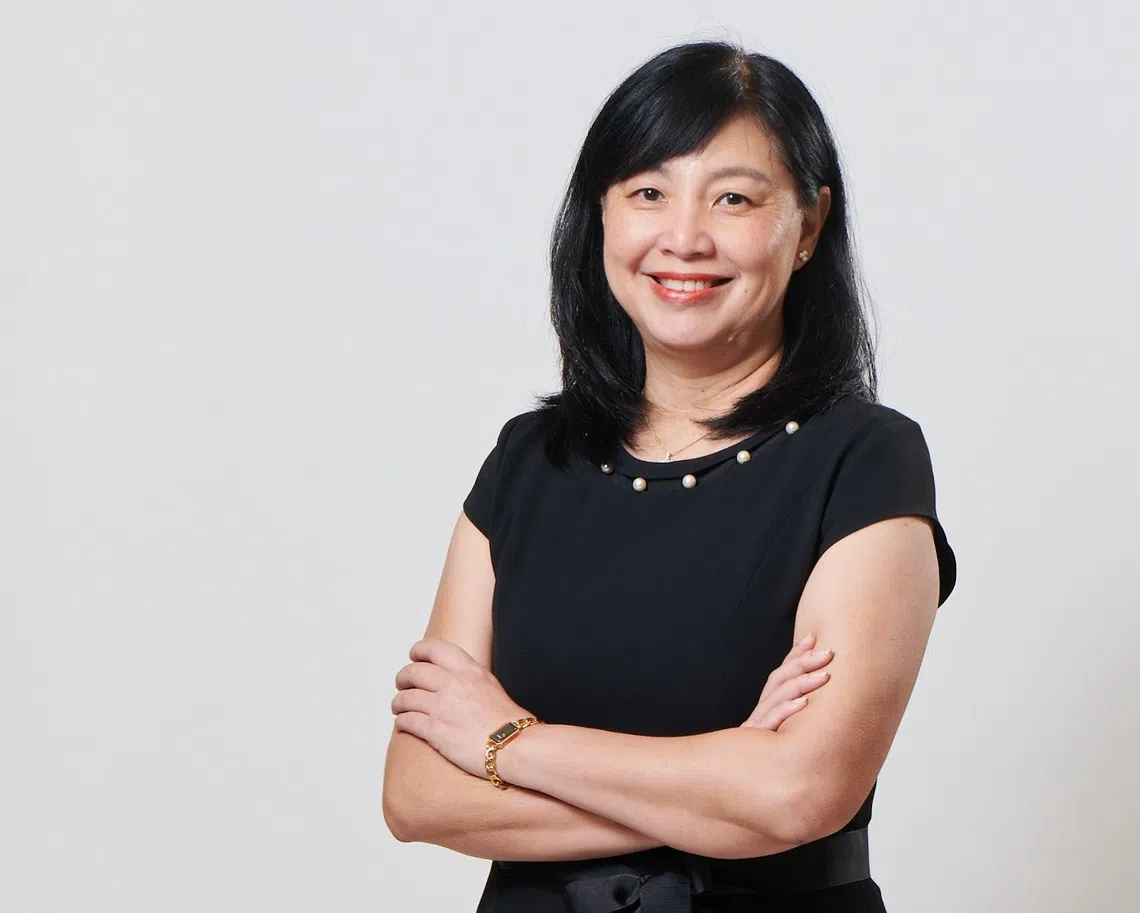
Fong adds: “Boards with varied expertise, domain knowledge and lived experience adapt more effectively to disruptive trends, which in turn strengthens organisational resilience and long-term shareholder value.”
Similarly, Chong, who also heads business consultancy New Provenance, notes that board diversity can give rise to a range of perspectives, which can enhance decision-making and thus strengthen governance. Having different viewpoints also improves risk assessment, particularly in fast-changing or uncertain environments.
It also prevents groupthink and strengthens oversight of management.
Boards that are diverse are “more likely to adapt to change, embrace new strategies or directions”, she says.
This underscores the broader benefits of female representation on boards.
Lai points out: “It is less about individual appointments and more about building a board culture that integrates and optimises diverse perspectives and expertise into every major decision.”
Empirical studies in Singapore have linked increased board diversity to better fraud prevention, stronger stakeholder trust and improved oversight of non-financial priorities, such as environmental, social and governance concerns.
Professor Lawrence Loh, director at the Centre for Governance and Sustainability at the National University of Singapore (NUS) Business School, notes from studies he has led that “board diversity enhances both the process and substance of corporate governance”.
Two NUS studies found that gender diversity is linked to stronger performance of firms and better governance. Notably, the proportion of women independent directors – not non-independent – has a direct impact on financial performance.
Tham Sai Choy, a veteran board practitioner who plays an active role in the development of corporate governance, observes that for a company to have wider and deeper understanding, diverse viewpoints must filter through.
He explains that investors are highly interested in how a company envisions the future and prepares for success in an evolving environment.
“A board that has the ability to absorb many different points of view, and weigh them all up in preparing the company for future opportunities – (this) is ultimately what board diversity is about.”
Sustaining progress
As with any meaningful change, maintaining momentum is crucial when it comes to board diversity. Without deliberate succession planning and careful board-skills mapping, Fong warns, progress could quickly stall.
“Diversity must be embedded into the way boards think about renewal, and not be treated as last-minute conversation during appointments,” she continues.
A shift is under way in how companies are approaching diversity.
Chong says: “Based on personal experience, I have the sense that companies are also accepting diversity as a criterion they need to take note of.” She believes that the “progress is structural and sustainable as more and more boards refresh their members”.
This change has been supported by the work of the CBD. The council was established by Singapore’s Ministry of Social and Family Development in 2019, with the goal to drive a sustained increase in the representation of women on the boards of listed companies, statutory boards and institutions of a public character.
“CBD was set up by the government to engage stakeholders and guide progress in a way that fits our context,” says its co-chair Goh Swee Chen. The council’s focus is on “engaging board decision-makers and market participants with the message that diversity strengthens governance and enhances performance”.
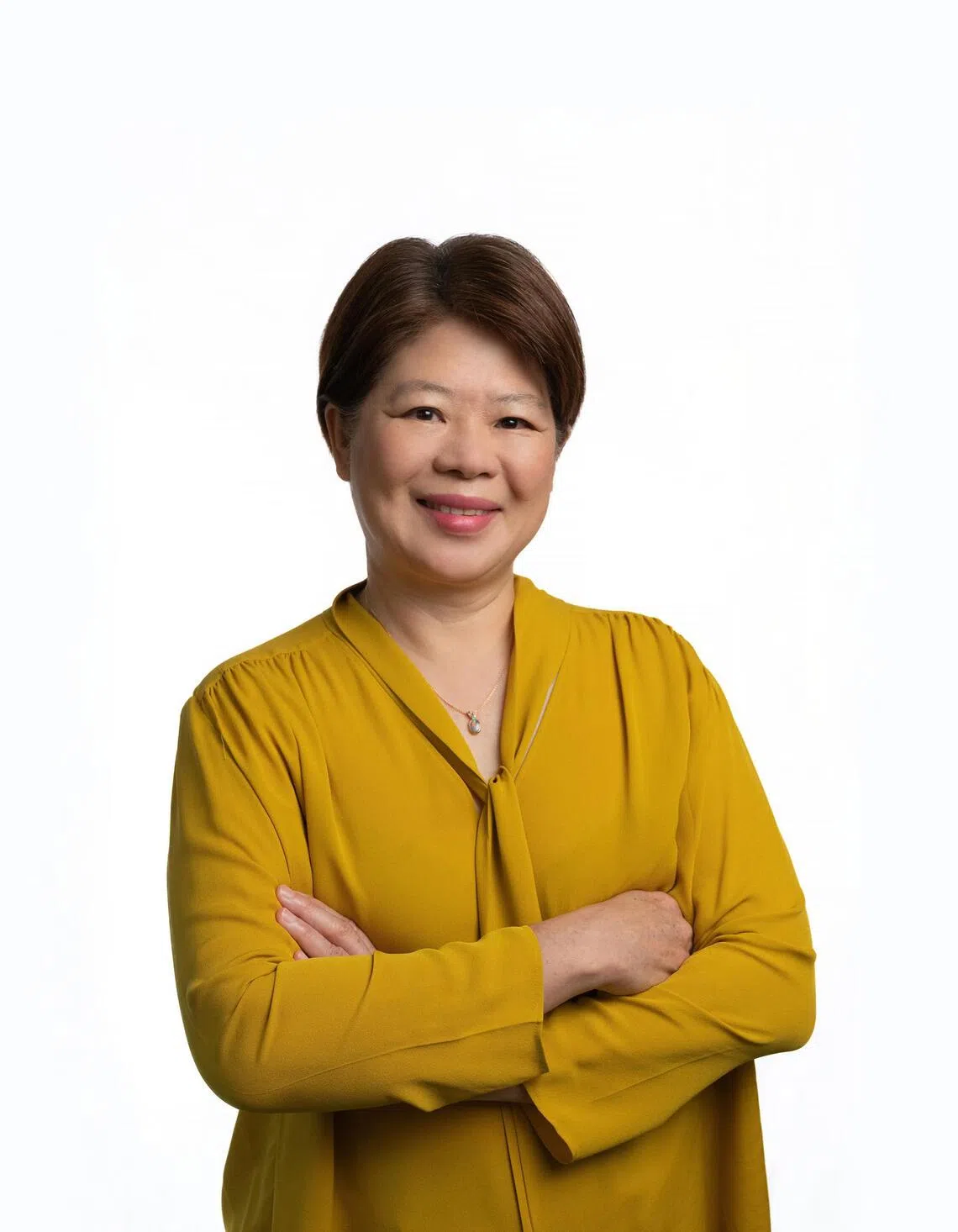
She emphasises that every country “needs to find its own path”, noting that what works in Europe or the United Kingdom may not be the right fit for Singapore.
The UK has emerged as a global leader in promoting women in corporate leadership. According to the 2025 FTSE Women Leaders Review, women now hold 43 per cent of board positions and 35 per cent of senior leadership roles across the 350 FTSE companies.
In Singapore, the CBD introduced voluntary targets for listed companies in 2019, namely for boards to include 20 per cent women by 2020, 25 per cent by 2025, and a minimum of 30 per cent by 2030.
“These are realistic milestones that reflect where we started and where we want to go,” says Goh, who also serves as a board director at JTC Corp and Singapore Airlines.
She highlights that it is “wonderful” to know that the market is taking heed of CBD’s targets and is making progress without the need for mandatory quotas or formal targets to be embedded in regulation.
Singapore’s regulators share a similar approach. SGX listing rules promote board renewal and require companies to disclose their diversity policies, rather than specifying what diversity should look like.
When companies assess their current and future needs, Goh notes, many see the advantage of broadening their definition of diversity to build boards that are truly fit for purpose.
“In short, Singapore takes a values-aligned stance that positions diversity as a meritocratic imperative.”
In 2024, the top 100 SGX-listed companies reached the target of having 25 per cent women on boards a year ahead of expectations.
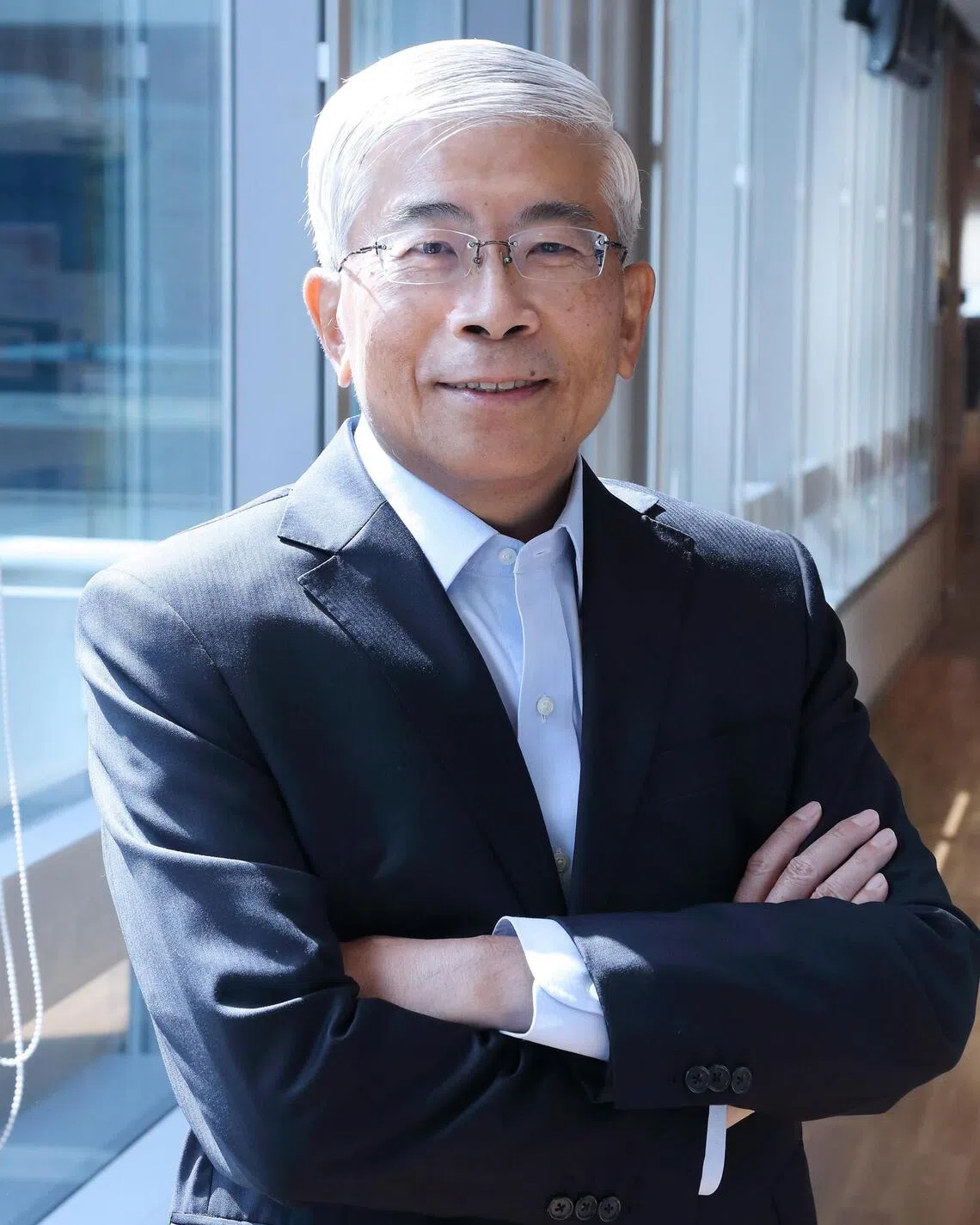
Goh’s fellow CBD co-chair Gan Seow Kee attributes this to the growing recognition of the value that board diversity brings, not only to organisational resilience but also to corporate reputation.
“It’s a signal to investors, stakeholders and the broader market that diversity is being taken seriously, and that Singapore Inc is moving with purpose,” says Gan, who is also the chairman of Singapore LNG Corp and holds other directorships.
However, he thinks that the Republic may not have moved as quickly as some countries that adopted quotas.
It took about a decade for the top 100 SGX-listed companies to more than treble the participation of women on boards from 7.5 per cent in 2013; for all listed companies in the city-state, that figure has increased from 8.1 per cent to 18.1 per cent over the same period.
Nonetheless, Gan believes that Singapore’s way forward is more sustainable because it is “merit-based”.
He says: “We have made good progress, but we are not where we want to be yet. Our challenge is to sustain the pace of progress.”
For this, “steady, purposeful advancement that holds over time” is important, he notes, rather than quick wins or headline-grabbing milestones.
Prof Loh adds that boosting board diversity requires action on both the demand and supply sides.
On the demand side, “the rationale and benefit of having female directors can serve as motivators”, while on the supply side, “a sustained pipeline of board-ready women” is crucial, built through capability-development and exposure to leadership experience.
“Most crucially, the basis for embracing board diversity must always be merit-based – tokenism will only backfire and erode the very credibility of diversity,” he points out.
The path to board leadership
Goh notes that CBD plays a catalytic role in identifying and connecting high-potential, diverse candidates to boards. This is especially important as board appointments often rely on informal recommendations or established networks, which can inadvertently exclude capable women candidates who are outside these circles.
“The most critical linking point for board diversity is the nominating committee,” adds Prof Loh. He says the committee must look beyond usual networks and “search more inclusively through multiple external means, such as board appointment services”.
Chong observes that there is no shortage of women directors from organisations such as the Institute of Singapore Chartered Accountants and SID.
“I believe that companies are able to reach this pool of experienced women directors through such organisations, as well as through headhunters,” she adds.
Goh says: “We want to see women build long-term board careers, including progressing into board-leadership roles.” When boards see the value these women leaders bring, they become more open – more gender-agnostic – in their appointments, she adds.
Similarly, Gan points out that the increasing number of women in board-leadership roles is significant because it demonstrates that they are being appointed for their ability to steward the governing body and for the expertise they bring.
“As more women step into board leadership and demonstrate impact, it builds momentum, opens doors for others, and reshapes perceptions of who can lead and how leadership is defined.”
However, the CBD acknowledges that few women are advancing to board-leadership positions, especially that of chairperson – the highest position on a board.
Currently, just 8 per cent of SGX-listed companies are chaired by women, a figure consistent with the global average. Even in countries with quota systems, female board chairs remain rare, according to a Deloitte report.
Gan points out that this is a “useful insight that tells us representation attained through quotas alone is not enough”.
To make real progress, he believes that the focus should shift to enabling directors and creating pathways to leadership. This, he notes, is exactly what many organisations in Singapore’s directorship ecosystem are already working on.
CBD has introduced “communities of practice” this year, by which newer directors can learn from veteran board leaders, adds Goh. This helps because, while the newer ones are all skilled and well-qualified, they are new to boardroom culture and dynamics.
Fong also believes that executive-search partners and board-training programmes can be leveraged to identify and support female leaders for high-stakes committee chair positions.
“The talent is there,” she says. “Boards just need to be far more intentional about grooming and elevating women directors into leadership roles.”