

White House is using the wrong oil price for Iran war
What matters for the US economy is not the price of WTI, but the cost of refined petrol products
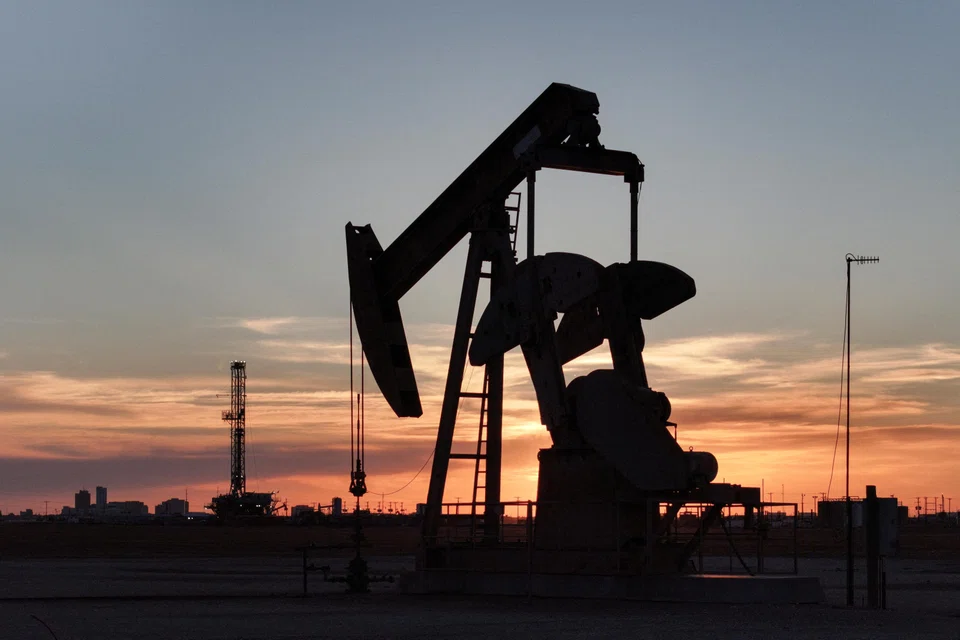
US PRESIDENT Donald Trump has seemingly turned the price of West Texas Intermediate (WTI) crude oil into a referendum on his war against Iran. Thumbs up if WTI stays below US$100 a barrel. Thumbs down if it rises above. Even if he succeeds in keeping that particular gauge below the triple digits, it would be a Pyrrhic victory.
What matters for the American economy is not the price of WTI, but the cost of refined petrol products – and they are rising rapidly. While the price of Texas crude is up 60 per cent since January, the cost of key everyday fuels has risen by between 85 and 120 per cent.
On paper, the White House’s strategy makes sense: Wall Street focuses on WTI as its preferred indicator of what is going on in the oil market, and hardly pays attention beyond.
Watch cable television in America and WTI gets blanket coverage. On social media, too, everyone interested in commodity and financial markets talks about it.
Few equity and bond traders are looking at the cost of, say, Number 6 fuel oil in New York, Gulf jet-fuel grade 54, or reformulated blendstock for oxygenate blending (the industry’s name for the stuff used to make petrol). But those products, the mainstay output of US refineries, are precisely what will make or break the country’s consumers and businesses.
Looking at the war through the narrow lens of WTI, Trump is winning. The US oil benchmark has yet to settle for a single day above the US$100 a barrel barrier. Compare that with 2022 after Russia invaded Ukraine, when WTI closed in triple-digit territory for nearly 80 consecutive days. For Wall Street, which bases expectations for the economy and beyond on this price, that is a relief.
It helps that WTI is rather parochial, with idiosyncratic supply-and-demand characteristics that often detach it from global trends. At times, the refinery intake in Oklahoma might matter more for this index than what is happening in the Persian Gulf.
The price of Brent crude – the other key market benchmark – is far more international in scope and is therefore showing the enormous tightness in the world’s oil markets. Since the war started, Brent and WTI have diverged to an unusual degree, the gap widening to more than US$10 a barrel.
In its desperation to hold down WTI, the White House is throwing everything at the problem, including the kitchen sink. First it eased sanctions on Russian oil. Then it tapped the Strategic Petroleum Reserve. Now it says it may unsanction millions of barrels of Iranian oil stranded in tankers on the high seas.
Senior figures in the oil industry fear the administration’s next step will be imposing a ban on US crude-oil exports, although the White House has told executives that it did not have any immediate plans to do this. It has also talked, publicly and privately, about intervening in the oil futures market – which would be another unwise Hail Mary pass aimed at keeping WTI prices lower.
Keeping energy prices manageable
Putting aside the enormous financial and political costs of each of those measures, they also fail to address Trump’s essential need in trying to defend his unpopular war: keeping energy prices manageable for American consumers and businesses.
The conflict has not only reduced the flow of crude oil out of the Persian Gulf, it has also cut the critical supply of refined products. Since the conflict started, refining margins – the difference between what these products cost and the price of crude feedstock – have exploded.
Oil refineries are complex machines capable of processing multiple streams of crude into dozens of petrol products.
For simplicity’s sake, the industry measures refining margins using a rough calculation called the “3-2-1 crack spread”. For every three barrels of WTI crude the refinery processes, it makes two barrels of petrol and one barrel of distillate fuel such as diesel or jet fuel.
Measured by that benchmark, refinery margins are approaching 2022’s all-time high point, having jumped to nearly US$50 a barrel from US$20 in January.
Consequently, the cost of everyday fuels has surged. Look at what Main Street buys. In the most extreme case, wholesale diesel prices have spiked to nearly US$185 a barrel. Jet fuel is flirting with US$150, and both fuel oil and petrol are commanding US$100-plus prices in the wholesale market.
Diesel is a particular concern because it fuels the American economy: construction, transport and farming. Diesel engines are famously reliable and slow, designed for strength not speed. Its price inflation is similar: It is grinding ever higher and will endure a long while. BLOOMBERG
TRENDING NOW

Once staunchly pro-China, Malaysian Chinese businesses are now distancing themselves from Beijing

New launch or resale unit? Here’s a guide for homebuyers
The lesser-known prospects in the Asian chipmaking supply chain

Cliff Tan has 7 million followers and a 4-month waitlist. Why won’t he expand his business?

