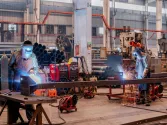
Will warming Chinese-Japanese ties plug Asia's infrastructure gap?
Growing collaboration will push the Philippine construction sector to grow by 8.8%.
The strengthening relationship between China and Japan is bringing increased growth opportunities for Asia’s nascent infrastructure sector, analysts in Fitch Solutions said.
Average real growth YoY from 2019-2027 of the construction sector for India is poised to grow to 6.6%, 8.4% in Bangladesh, 7.2% in Indonesia, 6.9% in Vietnam, and 8.8% in the Philippines.
Various infrastructure projects across Asia will receive a boost as China and Japan pool their expertise of China and Japan in its financing, planning, designing and construction stages
The power and transition grids sub-sector is as a possible area of collaboration between the two economic giants as the lack of reliable energy sources in third-countries like India and Pakistan is expected to fuel demand for power generating facilities and transmission grids.
“[R]apidly urbanising Asian cities such as Ho Chi Minh City, Jakarta, Manila and Dhaka has increased the need for urban railway transportation systems. Japanese railway technology can be complemented by cost-effective Chinese construction methods to produce quality railway infrastructure,” added Fitch Solutions.
Improving ties between China and Japan is not without its challenges, warned Fitch, as political differences brings about downside risks.
“The two nations will have to manoeuvre a series of tricky political challenges, including territorial disputes and wartime history, in order to gain trust and strengthen economic cooperation. Any political miscalculation by either of the two nations could derail the progress of joint infrastructural developments and dampen the growth of the infrastructure sector in the region.”
Last October, Japanese prime minister Shinzo Abe visited Chinese president Xi Jinping in Beijing where they have made over 50 joint development deals in sectors like services, healthcare and infrastructure.
Their first announced project following the said summit will be the smart-city development in Chonburi, Thailand which will be handled by Thai industrial estates provider Amata, Japanese green urban development company Yokohama Urban Solution Alliance (Yusa) and Chinese construction firm JSCC.
























 Read Here
 Advertise
 Sign Up