

Should you invest in Singapore property now?
By Istvan LohA slew of property cooling measures introduced by the Singapore government over the last few years have taken a toll in the Singapore property market. Not that potential investors are complaining, as take-up rates in Q2 of 2015 continue to inch up a substantial 61%, according to statistics by the Urban Redevelopment Authority.
Falling property prices, increasing vacancy rates, declining rental index – all signs of a cooling property market. But is it the time to start buying, or to wait a llittle longer?
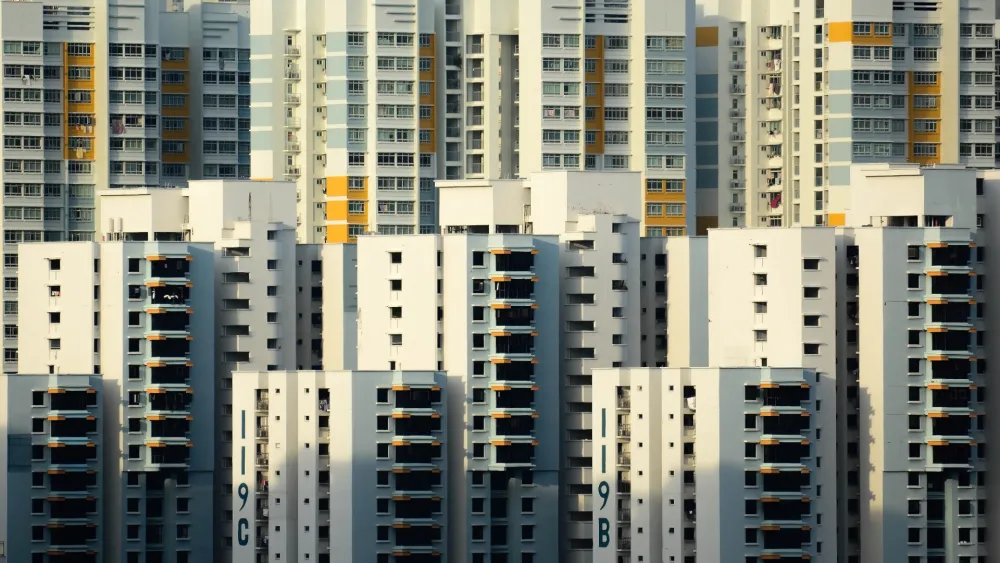
Looking at the recent successful launch of HighPark residences at SengKang, it's hard to imagine the property market is cooling if you were right there at the sales gallery. Buyers wrote cheques on the spot as being able to buy a studio apartment at just over $500,000 looks like a bargain. So the question is, should buyers look to jump in now before the government reverses the cooling measures?
Not according to analysts, as they expect prices to decline a further 10% to 30% in the next two years; so it makes sense to hold that money in the pocket for now. Forecasts on the Singapore property market looks extremely gloomy and this is likely to affect S-reits as well.
S-REITs were once considered a darling for stocks investors - REITs are trusts which own income-generating properties which pay out most of their earnings as dividends, making them popular amongst yield-hunting investors. However, the declining property market will impact their value.
Indeed, investors who have invested in S-REITS as a play on the Singapore property market might want to think about getting out soon, as OCBC analysts warned that investors could reap 'zero' returns from now till the end of 2016 and may even suffer capital losses.
Those who want to invest in the property market should perhaps look elsewhere, especially in countries where currencies have de-valued against the Singapore dollar. Investing in overseas properties is not new for savvy Singaporeans - figures from the Monetary Authority of Singapore (MAS) have showed that the value of overseas property purchases transacted in Singapore rose from S$1.9 billion in 2012 to S$3.0 billion in 2013.
While the appetite for overseas property have reduced due to recent reports of scams as well as the poorer economic outlook for these popular investment destinations such as Australia, UK, and Malaysia, that does not mean there is no value to be found, but rather a matter of putting in the time to do your homework and due diligence.
One of the key values of investing overseas could be the weaker currency of the country you are investing in, making your investment cheaper in Singapore dollars. Japan, Australia, and Malaysia may post some bargains in this aspect currently.
There is obviously the exchange rate risk that you need to consider as no one can predict the currency direction. Given that the mortgage loan amount will be huge, a single cent difference in exchange rate can make a few thousand dollars' difference in the loan amount.
If this is not a risk you want to take, you can of course hedge your currency risk via investment instruments such as currency ETFs, futures, or options.
Buying a property overseas is a huge investment and can pose much risk, so make sure you understand the laws governing such investments in the country and check the reputation of the developers before jumping in.


























 Read Here
 Advertise
 Sign Up









