Singapore pushes virtual power plants to hit 2035 RE goal
It also wants power companies to build hydrogen-ready plants.
Singapore is developing new energy technologies, including linking small power sources and managing them to act like a single, larger power plant, to hit its goal of 40% renewable power generation by 2035.
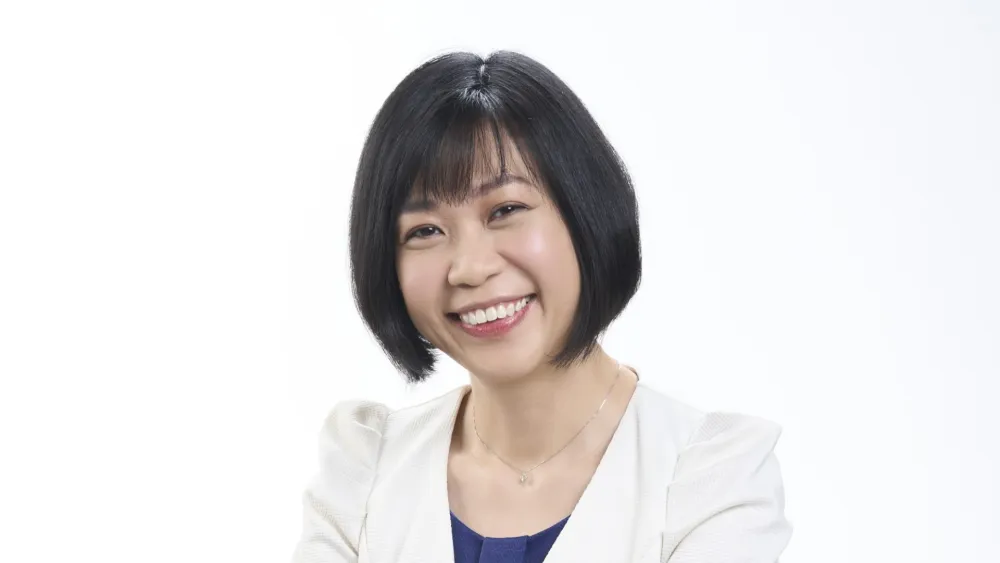
These virtual power plants “could better make use of the different distributed energy resources in the system and help consumers earn a viable return on their investment,” Violet Chen, director of the energy capabilities development department at the Energy Market Authority (EMA), told Asian Power via Zoom.
The city-state wants to better manage distributed energy resources—small-scale, modular energy generation and storage tech near the point of electricity consumption—to ensure secure supply and more efficient distribution, she pointed out.
The government uses regulatory sandboxes—a controlled environment where energy players can test new products, services, or business models under regulatory supervision with reduced requirements. The regulator can decide on the appropriate regulatory treatment later.
The EMA on 31 March closed the submission of sandbox proposals for virtual power plants.
“Through regulatory sandboxes, they can work with us to share our policies, to change our market rules to be more business-friendly, and they can work better for their business models,” Chen said.
Instead of relying on a single, physical power plant, a virtual power plant uses a network of devices such as solar panels, batteries, and smart appliances to provide power and grid services.
The EMA has partnered with companies like Singapore Power Group to develop the city-state’s virtual power plant capacity. It is also working with the private sector for an energy infrastructure that is ready for emerging technologies such as hydrogen-ready power plants.
“We have set in place a policy to enable new power plants to be hydrogen-ready… so when the infrastructure is ready, when it becomes more cost effective, we'll be able to capitalise on this opportunity quickly,” Chen said.
As part of the city-state’s 2050 net-zero emission target, the state requires new and repowered natural gas power plants to be at least 30% hydrogen-compatible by volume.
Chen said some power plants coming online in 2027 would be hydrogen-ready, including the 600-megawatt (MW) Combined Cycle Gas Turbine (CCGT) plant of YTL PowerSeraya Pte. Ltd, a unit of Malaysia’s YTL Power International Bhd.
Another hydrogen-ready plant set to operate in Singapore is PacificLight Power Pte. Ltd.’s 600-MW CCGT facility, which will start running in January 2029.
Chen said the city-state would continue to push domestic solar capacity. Singapore hit its 2025 target of deploying 1.5 gigawatt-peak (GWp) solar energy and aims to hit 2 GWp by 2030, equivalent to the annual electricity needs of about 350,000 households.
She said Singapore faces solar power hurdles because of its variable output and scarce land. Battery storage would fix this and strengthen the power grid as more renewable energy (RE) is produced, she added.
Chen said the city-state is working with neighbours like Malaysia so it could import 6 gigawatts of low-carbon power by 2035.
It is keeping its options open when it comes to advanced nuclear tech and carbon capture, use, and storage “to see how they become viable over the next 10 to 20 years,” she added.






















 Read Here
 Advertise
 Sign Up