AI - The Great Disruptor
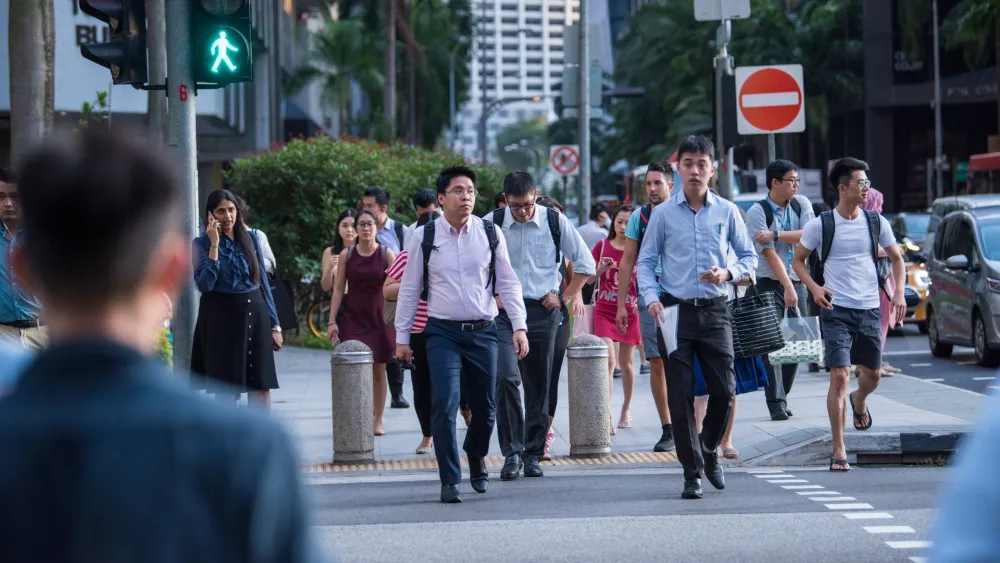
By Callum LaingBig data is beginning to shape every element of life in Singapore. Change is coming in the form of a new breed of disruptive technology. Following these changes and predicting how this technology will impact your business will decide its survivability and level of success.
Big data, embedded artificial intelligence (AI), smart robotics, cognitive computing, nanotechnology, 3D printing, and biotech are a few examples of a suite of disruptive technology I have called The Great Disruptors.
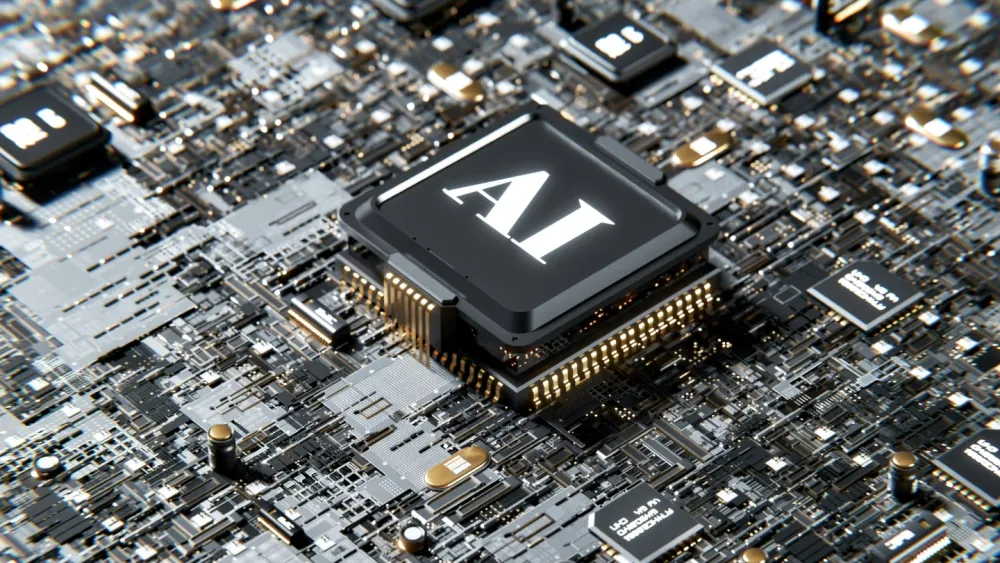
Of this suite the first two -- big data and AI -- are growing fast. They are already having an impact on the way we do business. These two interrelated technologies observe, interpret, evaluate, and decide on vast swaths of data bringing competitive advantage to business through rapid decision-making.
Singapore is an early adopter of this technology. In 2012 Singapore was one of the first countries in the world to introduce AI into its schooling system in the form of chat bots that analysed students' learning characteristics and produced tailored learning curriculums for each student.
With its strong track record in science and technology and its hyper-connected population, Singapore businesses stand front and centre to be first adopters of many of these disruptive technologies.
The question for small business is: has your business got an eye on the future and the conviction to act fast?
The answer may be more positive for small businesses than for larger businesses. SMEs have an inherent advantage over bigger businesses in their ability to be agile and adaptable to these new technologies once they can identify the opportunities. Alternatively big businesses might have bigger resources but have way more to lose by placing big bets.
With this in mind, how can small businesses prepare for these disruptors and identify the opportunities?
1. Monitor technology trends. Keep an eye out for first adopters of new technology and analyse how this will affect your product or service. Stay abreast of developments that have a direct effect on your business. Follow the disruptive technology: robotics, big data, AI, 3D printing, nanotechnology, and the Internet of Things.
2. Think about how new technology can create new business opportunities and competition. Is your business going to be more vulnerable to larger business with stronger processing power? Are the efficiencies and advantages of these disruptors going to alter the marketplace for your product or service? How can you adjust your business using new technology to stay competitive and relevant?
3. Demand. Is your business' demand going to be altered by changes in customer requirements? The buying landscape will change as surely as the selling landscape as a result of these disruptors. Will your business still be in demand and if not, how can you adjust?
4. Flexibility. AI, big data, analytics, robotics, and 3D printing will change the face of business as we know it. Is your business flexible enough to handle this transformation and do you have the capability to move with the change into other areas where you might be able to differentiate and provide more skilled and human elements?
Businesses, generally bigger businesses at this stage, are using cognitive computing and embedded AI to be more efficient. For example, cognitive computing and embedded AI can be found in IBM's Watson system.
This system decides which ads are placed where and when, recommends courses of treatments and diagnoses in the medical world, suggests educational requirements to students, and provides tailored financial advice and customer support to big banking clients.
Systems like Watson are making critical decisions for businesses across all industries. Increasingly, SMEs and startups are turning to such systems to gain competitive advantage.
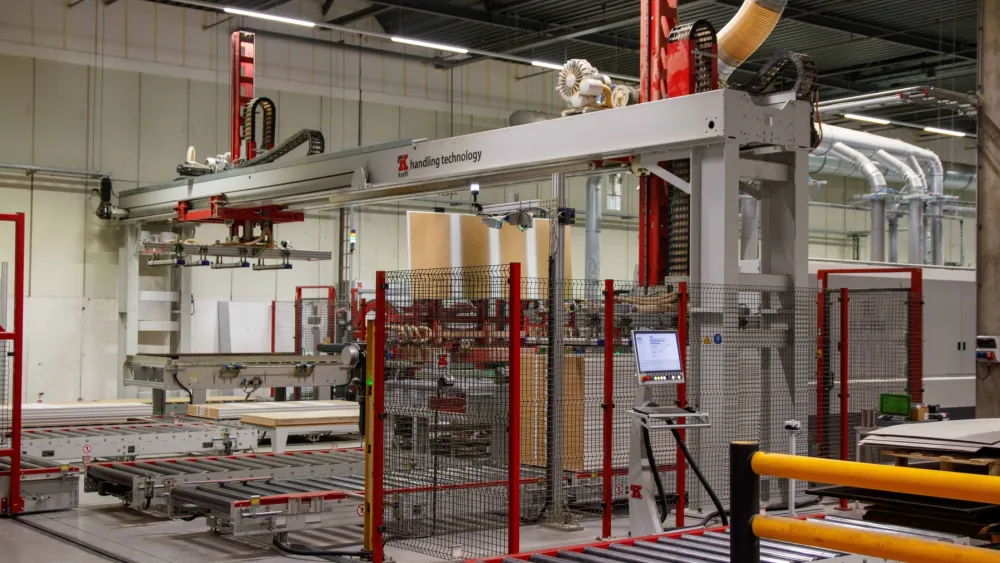
Whilst these new technologies will bring great benefits, they also threaten many businesses. Services and products that require repetition in relatively stable environments are most at risk. Logistics, packing, analytics, manufacturing, customer service, agriculture, education, health, and maintenance are all areas under threat of the new world order.
This new wave of disruptive technology and its associated challenges are the foundations of our future reality. Small business has a greater capacity to enact faster change than big business. SMEs that stay fluid and apply innovation and entrepreneurship through the rapid uptake of these disruptors will be tomorrow's success stories.
With the existence of machines that now learn how we learn, cognitive computing, and the rise of robotics and nanotechnologies, we are faced with some interesting challenges on our horizon.
Watch out for Super AI…























 Read Here
 Advertise
 Sign Up