Singapore’s first shared art ownership platform launched
Investors can buy blue-chip artworks with as little as $1,000.
People may now own expensive Singaporean art at a fraction of the cost with the launch of We Are Art Collectors Pte. Ltd. (WAAC), the city-state’s first fractional art ownership platform.
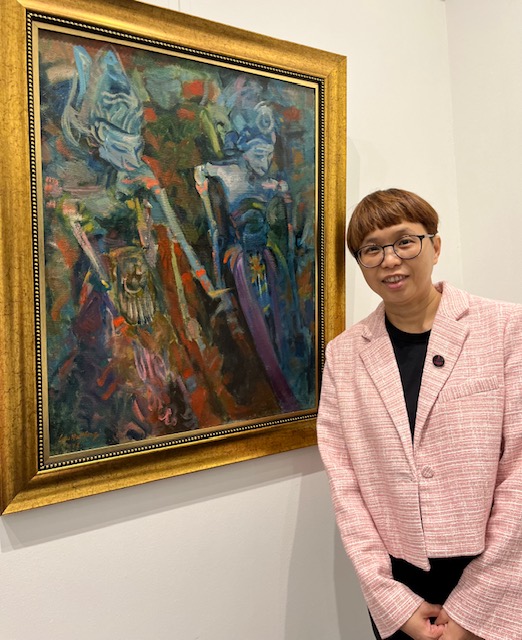
Fractional investment lets ordinary investors pool their money to buy a blue-chip artist’s work. WAAC divides the ownership of a painting into lots of $1,000, so a $10,000 painting will have as many as 10 owners.
“Even if they are rich collectors, there's a limit to their budget,” Low Sok Leng, who started the platform on Jan. 10, told Singapore Business Review. “Sometimes, they realize there are artworks they want to collect, but there’s still a budget constraint.”
“With this fractional art ownership platform, they can choose to diversify across more artworks with the same budget. They can also diversify their risk,” she added.
At least 30 investors have signed up on the WAAC website for a one-time membership fee of $1,000 since the service started. Low expects to attract about 1,000 investors this year.
WAAC ensures fair pricing for artists and collectors by negotiating the most reasonable price for every artwork, said Low, the daughter of second-generation Singaporean artist Low Hai Hong.
For example, “Wayang Kulit (No. 1)” by her father, offered during the platform's launch this month, is an oil-on-canvas piece valued at $28,000 to $33,000. It is available on the platform for $20,000 across 20 lots.
“If you invest in this $20,000 painting with an estimated value of $33,000, you're already in the black,” Low said..
Retail investors can profit by reselling their lots to fellow members at a higher price, especially if the painting is highly sought after, Low said. When the fractionalised painting is sold to third party, the proceeds are distributed based on ownership. For instance, an investor with a 10% share will receive 10% of the payment.
RELATED: Auction houses thrive on Asian millennials’ art-buying power
Low said the platform sells artworks to retail buyers only if it gets a competitive offer. Lot owners are given the first opportunity to buy the art piece. If no one wishes to buy or matches the retail buyer’s offer, the sale continues.
Every fractionalised piece of art on the platform will be displayed in galleries, Low said, noting that art should be displayed and not stored.
“That’s the problem with private art collections,” she said. “When someone buys an art piece, it often disappears into the person’s home. Actually, it’s not even in their home most of the time; it’s in some storage facility.”
“We do not want good, quality art to be stored in this way,” Low said. “We want it to be shared with the public.”
“We will display the fractionalized art works, which are high quality works, so that our lot owners and investors can bring their friends and say ‘Hey, this is my painting. I own this,’” she added.
Displaying the artworks is also WAAC’s way of educating the younger generation and the public about Singaporean artists.
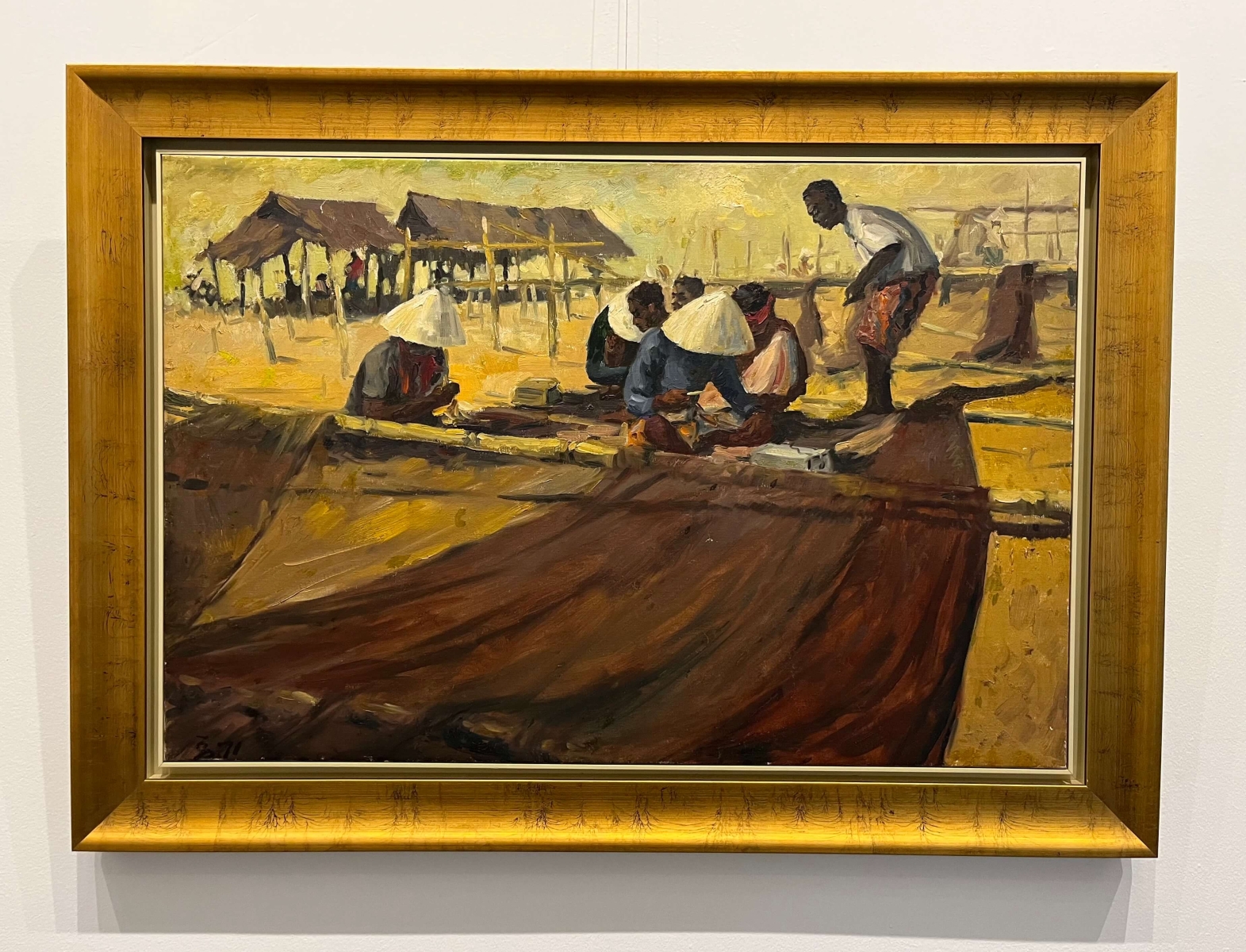
Unlike other fractional art ownership platforms, WAAC exclusively offers and displays artworks by local artists, said Low. The first batch consists of six oil paintings by second-generation Nanyang artists Koeh Sia Yong and Low Hai Hong.
“We’re not looking at buying a Picasso and then trying to sell it here,” Low said. “We want the local people to support the local art scene.”
Once WAAC takes off in Singapore, Low plans to set up WAAC in Malaysia and other Southeast Asian nations, so that more locals can support their local art. Fractional art ownership is available in the West and, within Asia, in South Korea.
Low expects the platform to be welcomed in Singapore because investors in the city-state are “quite savvy” and open to new investment models. She added that they have received positive feedback before and after the launch.
She wants the platform to reach general investors, beyond art lovers.
“We want to reach out to investors… who invest in stocks, Bitcoin or land property, and who look at art as an alternative investment because we believe that it will also help diversify their portfolio,” Low said.

















 Read Here
 Advertise
 Sign Up