Can TPG clinch a 5G licence in Singapore?
It has not yet conducted trials for 5G use cases in Singapore.
TPG may struggle to secure a 5G licence as it may likely lag in the needed technical architecture and security in order to win one of the two spectrums, according to a DBS Group Research report.
Under this parameter, there is 40% weightage on network design and resilience, which includes security and minimisation of dependency on 4G technologies, and another 35% weightage on the speed of network rollout and ability to support use cases.
However, TPG has not been recorded to conduct trials on 5G use cases in Singapore. At most, the telco intended to conduct 5G trials with Netlink NBN Trust in Science Parks 1 and 2 in 2020. It has also picked Huawei as its preferred 5G vendor in Australia before it was banned.
Meanwhile, Singtel and M1 have already announced various 5G trials over the last 12 months targeting Singapore enterprises and consumers in partnership with Ericsson and Nokia.
The telco might also be at a disadvantage in terms of financial capability, which forms 10% of weightage. DBS projected that a 5G network will require over $1-1.5b capex over the next 6-7 years.
TPG Australia, with nearly $760m earnings, could lever up to fund it, but in this case TPG will have to gear up in Australia where 5G would require a bigger capex due to its larger area, the report noted.
The remaining 15% weightage is based on the proposed spectrum offer price.
In the case where TPG clinches a nationwide licence, Singtel or StarHub-M1 may likely be compelled to acquire it to be able to future-proof their network. Netlink would also benefit from this, with TPG intent to deploy its fibre for 5G trials.
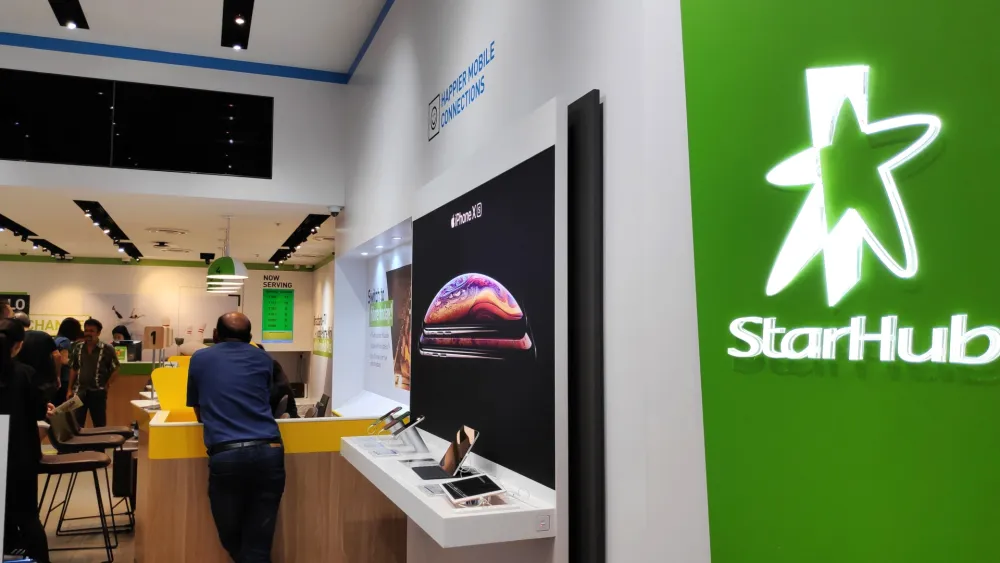
On the other hand, StarHub could be the hardest hit due to its heavy reliance on the Singapore market.


























 Read Here
 Advertise
 Sign Up