

Singtel's share price could get a boost from associate's climbing contributions
The TPG-Vodafone merger and StarHub’s spending are also likely to minimise market competition.
Singtel’s rising associate’s contributions are likely to drive its share price with a fixed dividend commitment of $0.175 over FY19-20F and 5.5% yield, according to DBS Group Equity Research.
Whilst associates’ profit contribution is likely to bottom out in Q1 for 2019, it is expected to grow after a two year decline which will be led by Indonesian network provider Telkomsel, Thai mobile operator AIS and Philippine telco Globe amidst delays in India-based Bharti Telecom’s recovery, DBS analyst Sachin Mittal said.
Also read: Singtel offers attractive dividends amidst unexciting growth
Contributions from Telkomsel are likely to slide between Q4 and Q1 in 2019 as the Indonesian telco grapples with loss of subscribers and industry competition in the first half of 2018.
However, Mittal believes contributions from Telkomsel will return to high single-digit growth by Q4 in 2019 as it will be ‘supported by benign competitive conditions in Java’ which contribute around 40% to Telkomsel’s top line.
Bharti’s earnings recovery was pushed back to 2021 as Mittal estimates negative contributions from the Indian telco for the second consecutive quarter in Q1 for 2019. As a result, Singtel may record a $63m loss from Bharti which Mittal attributes to local competition and cheap smartphone prices that will ‘cannibalise Bharti’s legacy revenue’.
Meanwhile, growing contributions from AIS and a 25% increase in consensus earnings for Globe in 2018 may offer some respite amidst the negative contributions projection from Bharti.
DBS projects a 17% and 12% growth in contributions from AIS in 2019 and 2020 respectively thanks to subscriber additions.
“We expect to see improving contributions from Globe, given the telco’s favourable position and amicable operating conditions in the Philippines,” Mittal noted.
With regard to local telco competition, Mittal does not believe competitors such as StarHub and newcomer TPG will pose a threat to Singtel.
Also read: Chart of the Day: TPG could snap up 4% of telco revenue by 2022
“Besides, core business is likely to be stable too as the soon-to-be merger of Vodafone-TPG in Australia and TPG’s abysmally low capex in Singapore have significantly reduced the risk of irrational competition,” Mittal said.
In August, TPG and Vodafone Hutchison Australia announced a merger to establish a full-service telecommunications provider in the country.
Also read: Heated telco wars drag StarHub Q2 profit 22% to $63m
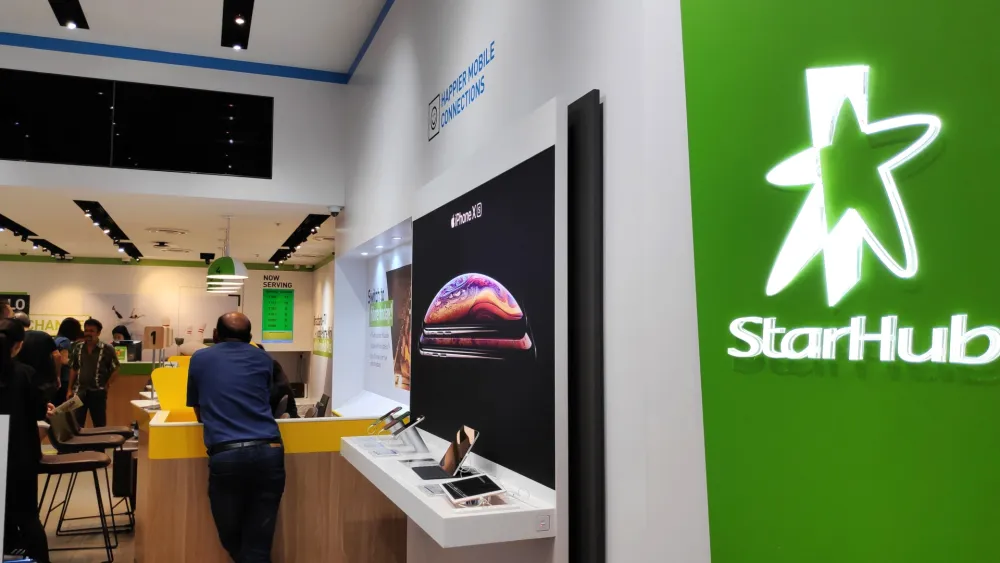
StarHub, Singapore’s second largest operator in Singapore, is estimated to have spent over $600m on its 4G network since 2013 which is almost 10 times more the current capex spending of TPG on its 4G network, Mittal noted.
“We are of the view that to become a disruptive market player in Singapore, TPG would need to significantly ramp up its roll-out capex to provide ubiquitous coverage,” Mittal said.


























 Read Here
 Advertise
 Sign Up









