

Safe skies or turbulent clouds: What lies ahead for the aviation sector?
CAAS unveiled its outlook for the sector in three timeframes.
With Singapore opening its borders to more countries, and passenger volume growing from 35 to 5% of pre-COVID levels, one would think the skies are clear for the aviation sector of the Lion City, but will that be the case moving forward?
Han Kok Juan, director-general of the Civil Aviation Authority of Singapore (CAAS), said they are seeing important developments in the sector in three timeframes: short-term (2022); medium-term (2023 to 2025); and long-term (2026 and beyond).
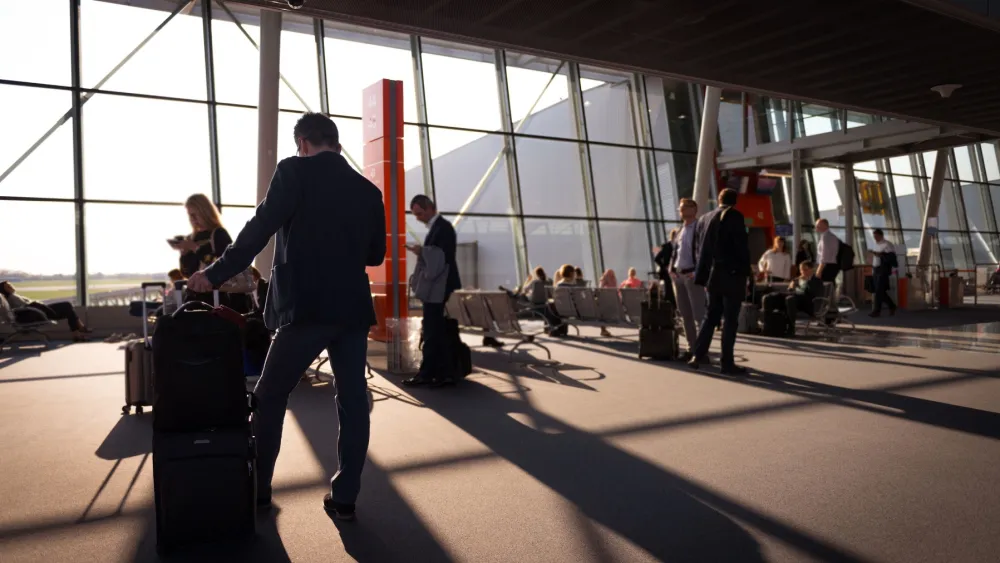
In 2022, Han said “travel will return to close to what it used to be pre-COVID for those who are vaccinated,” with plans to cater for an increase in air passenger volume from 15% to 50% of pre-COVID-19 levels.
“We will optimise the use of the airport terminals, simplify immigration checks, testing and other safety management protocols, and work with the sector to ramp up operations and manpower to ensure a safe and smooth Changi experience as traffic returns,” Han added.
By 2025, Han said full recovery to 100% pre-COVID levels is expected in the sector, leading Singapore to reclaim its position as a premier air hub.
As our aviation stakeholders review their global strategies and deployment, we will work together to grow new networks, build capacity ahead of demand, enhance resilience and develop capabilities for the future. Our goal is for the Singapore air hub to be an even more attractive base for companies to operate, innovate and introduce new products and services,” Han said.
In 2026 and beyond, however, Han sees slight turbulence in the growth of the sector due to COVID-19 and climate change concerns, but believes long-term air travel demand will remain robust given “strong economic fundamentals, the rise of Asia and a growing middle class.”
“2026 and beyond will be years of seizing opportunities and creating value for the travelling public, for companies based here and for Singapore and Singaporeans,” the CAAS official said.
Han said they are already reviewing plans for Changi Airport Terminal 5 and “driving technology and innovation in advanced air mobility, digitalisation, and automation.”
Included in CAAS’ short- to long-term plans are projects on sustainability and safety.
On sustainability, CAAS will also develop the Singapore Sustainable Air Hub Blueprint which sets medium-term (2030) and long-term (2050) goals for sustainability in the aviation sector.
“We will focus on three key areas: airport, airlines, and air traffic management. We will also lay the foundation of four critical enablers to drive sector-wide decarbonisation: policy and regulation, industry development, infrastructure planning and provision, and jobs and skills,” Han said.
It is set to be published by early 2023.
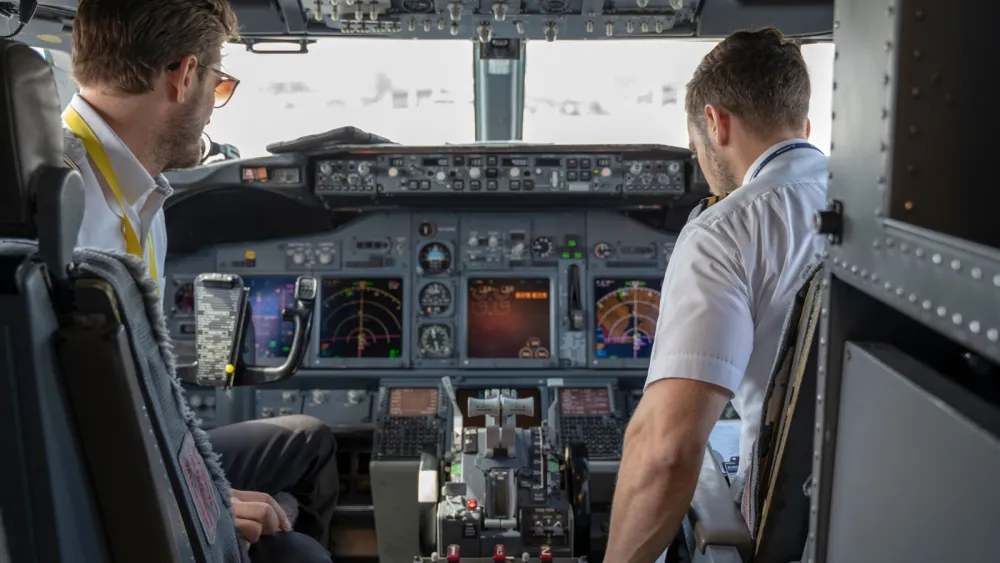
On safety, Han said CAAS will launch a safety charter signed by 80 organisations.
“When people fly, they put their trust in us—regulators, aircraft manufacturers, and airlines—to get them where they need to go, safely,” he said.


























 Read Here
 Advertise
 Sign Up









