Era of stable prices is already over, says PM Lee
PM Lee said this is because international economic conditions have fundamentally changed.
The era of stable and low prices has already ended, said Prime Minister Lee Hsien Loong.
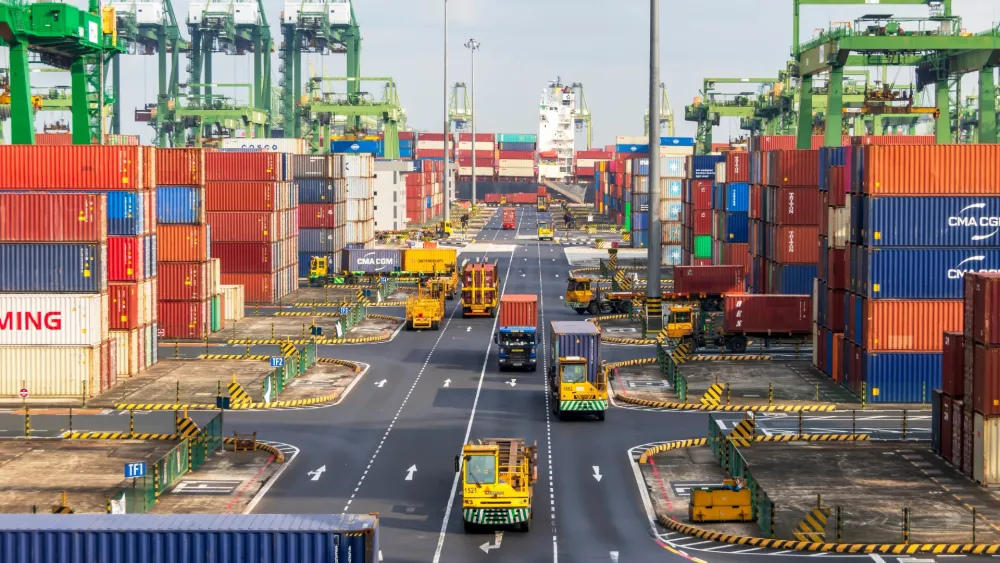
In his National Rally Day speech, Lee said the cost of products was stable in the recent decades because globalisation was in full swing, international trade grew rapidly, and China’s economy was growing exponentially; however, this period is "now over."
"|The basic reality is that international economic conditions have fundamentally changed. It is not just the pandemic or the war in Ukraine," he said.
"China’s growth and exports are slowing. Their costs are going up. Some countries have raised tariffs against each other, particularly between the US and China," he added.
These factors, according to Lee, have raised costs and pushed up inflation everywhere, including in Singapore.
Whilst Singapore does not have much influence on the global inflation picture, Lee said it is within the country's power to make it more "productive and competitive.
"Then our workers can earn more, and more than make up for the higher prices of food, fuel and other imports. That way we can all become better off, in real terms," he said.
Lee also underscored that Singapore is also "not helpless" despite it being a small and open economy which is heavily dependent on imports.
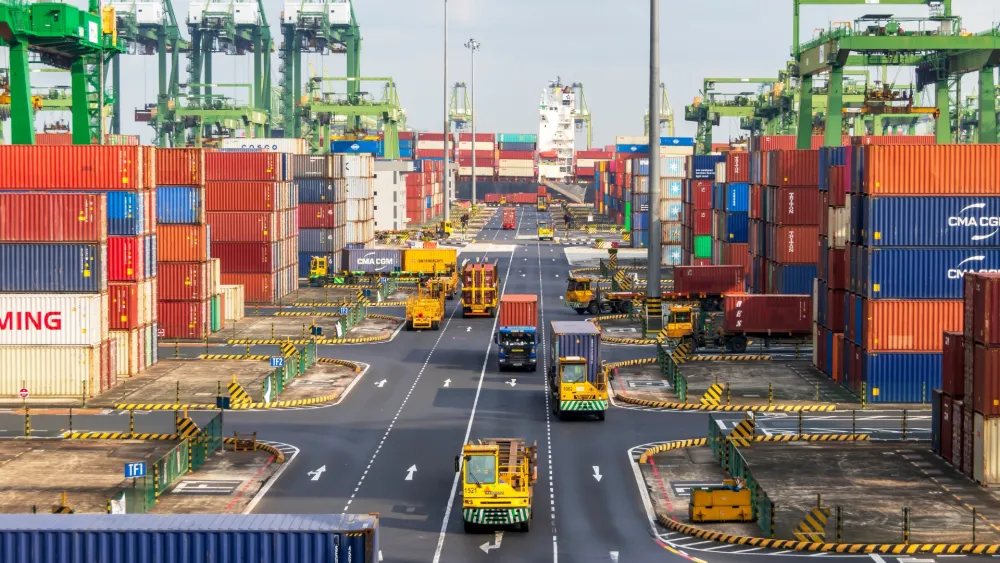
The prime minister said this in response to disruptions of physical supplies to Singapore, like Malaysia's export ban on chickens.
"For quite a while now, we have been actively diversifying our import sources – building up adequate stockpiles of food and medical essentials; investing in agri-tech to make local farms more efficient and productive; pushing ahead with our “30 by 30 Goal”, to be able to produce 30% of our nutritional needs locally by 2030," he said.
"It costs money to make our supplies more resilient. Buying from diversified sources means we do not just buy from the cheapest or the most convenient producer. Maintaining stockpiles requires space, and incurs costs - we have to air-condition your stocks – but we must think of it as paying for insurance," he added.
Looking ahead, Lee said the government will continue to "plan forward" to have options and solutions when crises arise.
























 Read Here
 Advertise
 Sign Up