Gulf conflict raises energy risks but direct exposure ‘limited’: analysts
It’s a ‘second-order’ crisis for Singapore, said Maybank Research.
Escalating tensions in the Middle East have raised risks for higher energy prices and potential trade disruptions, although analysts say the direct exposure remains limited.
High-income Asian economies that import more than 80% of their energy needs — including Singapore — are vulnerable to higher oil and gas prices following reports of disruptions around the Strait of Hormuz, according to Moody’s Analytics.
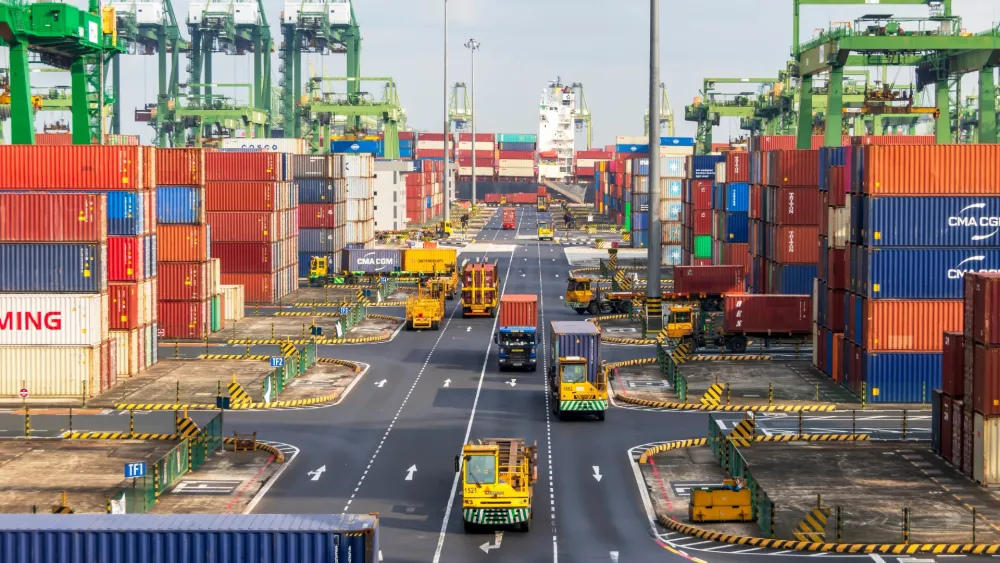
The report said roughly one-third of global seaborne crude oil exports and about 20% of global liquefied natural gas shipments pass through the strait.
Brent crude oil prices jumped to around $80 per barrel on Monday, trading in Asia, up from around $72 per barrel at the close on Friday, whilst equity markets slipped in initial trading, it added.
Meanwhile, Maybank Research said Singapore’s exposure to the Iran conflict is largely second-order, transmitted mainly via oil prices and capital flows rather than direct trade links.
The bank said transport companies could face higher jet fuel costs and potential airspace disruptions. Conversely, maritime disruptions may shift some volume to air freight.
“We believe Singapore should continue to benefit from safe-haven flows leveraging its ‘certainty premium’ offered by policy and political stability and strong fiscal capacity to deal with downside risks,” the bank added.
RHB Global Economics & Market Strategy said its Risk Sentiment Index declined sharply over the past week, reflecting concerns centred on tariff-related developments and geopolitical tensions, although it noted the move could prove temporary.
The bank flagged key risks alongside the US-Iran conflict, such as a potential escalation of trade tensions, with the Trump administration reportedly considering raising global tariffs from 10% to 15%.
RHB said it remains cautious on trade risks as the administration considers additional tariff measures under Section 232 and Section 301.
“Beyond these statutes, the US has imposed preliminary countervailing duties on solar imports from India, Indonesia, and Laos to counter alleged subsidies in those industries,” it added.























 Read Here
 Advertise
 Sign Up