Singapore consumers’ inflation expectations hit lowest level since 2021
One-year-ahead inflation expectations declined across all major components.
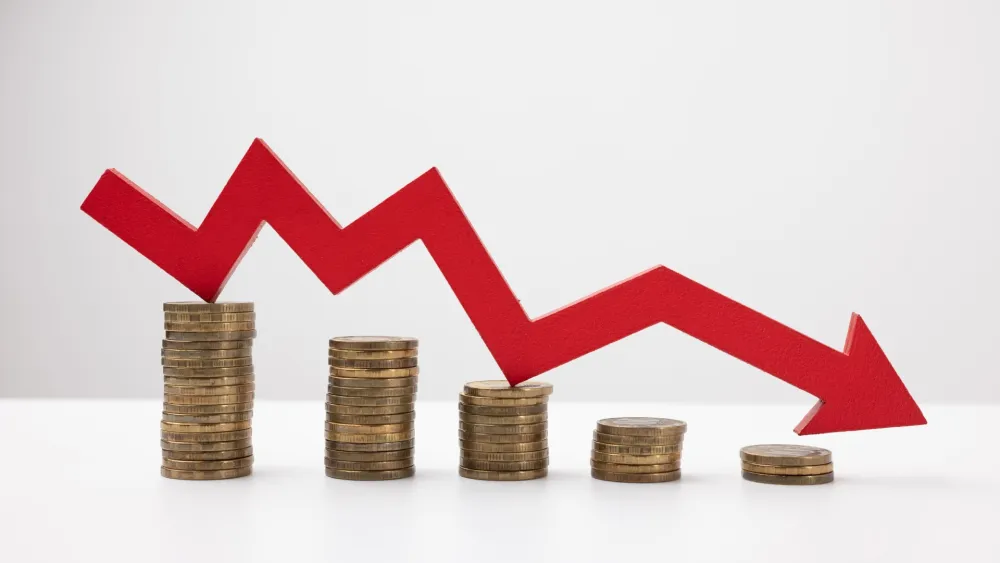
The one-year-ahead inflation expectations of Singaporean consumers decreased to 3.3% in September 2025 from 3.5% in June 2025, their lowest level since December 2021, results from the 57th round of the Singapore Index of Inflation Expectations (SInDEx) survey showed.
The poll was conducted by DBS and Sim Kee Boon Institute for Financial Economics (SKBI) at Singapore Management University between 23 and 29 September 2025.
The overall aggregated CPI inflation expectations, which account for potential behavioural biases, fell sharply to 3.2% in September 2025 from 4.9% in June 2025.
One-year-ahead inflation expectations declined across all major components. Expectations for food dropped from 5% to 3.5%, transportation from 5% to 3.3%, housing and utilities from 5% to 3%, and healthcare from 5% to 3.5%. Education fell from 5% to 3%, household durables and services from 5% to 3%, recreation, sport and culture from 4% to 3%, and clothing and footwear from 4.3% to 3%.
Similarly, expectations for information and communications decreased from 4% to 2.7%, whilst miscellaneous goods and Services, including Personal Care, declined from 5% to 3%. Researchers noted that this across-the-board decline indicates that, despite geopolitical and policy uncertainties, consumers expect price increases to remain muted over the next 12 months.
Results of the September 2025 survey also showed that around 37.5% of Singaporeans surveyed expect inflation to decline in the next 12 months, compared to 50.3% recorded in March 2025.
Meanwhile, 47.5% of respondents felt that inflation will increase, up from 42.4% in June 2025.
The results indicate that whilst inflation expectations have eased, uncertainty remains high as opinions diverge on the inflation outlook for the next year.
The main reasons cited by those expecting inflation to decline were the uncertain impact of global trade policies (30.6%), the slowdown in global growth (28.6%), and the role of central banks in keeping interest rates high (17.5%).
Amongst respondents expecting inflation to increase over the next 12 months, the most commonly cited reasons were higher trade policy uncertainty such as tariffs (27.7%), increased demand from the relaxation of travel restrictions (20.2%), higher interest rates (19.7%), and geopolitical conflicts involving Hamas and Israel, Ukraine and Russia, and Iran and Israel (17.6%).






















 Read Here
 Advertise
 Sign Up