Japan LNG imports to see structural decline
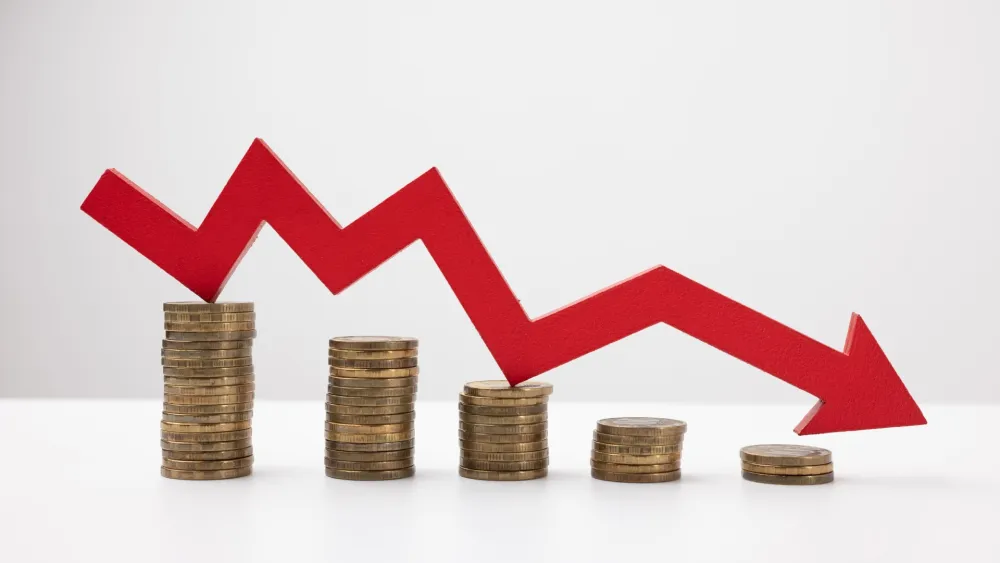
BMI Research estimates a 2.3% drop over the next decade.
LNG imports by the world's largest consumer of the fuel Japan is set to see a structural downtrend over the next 10 years (2016-2025), as muted economic performance, negative demographic trends and growing competition from alternative energy sources such as coal and oil drag on overall gas demand, said BMI Research.
In the short-to-medium term, the research firm however noted that downside pressures will be alleviated by faltering nuclear revival plans,
slowing investment into renewables and favourable fuels prices that will provide support to LNG demand.
Here's more from BMI Research:
Latest data from the Ministry of Economy, Trade and Industry (METI) show that Japan accepted 5.3% less LNG imports through the first eight months of 2016 compared to the same period in the previous year, with gas consumption in the household and commercial sectors registering material declines. This matches with our bearish long-term outlook for Japan's LNG imports, which we forecast will fall by 2.3% over the next 10 years, from an estimated 123.6bcm in 2016 to 120.8bcm in 2025.
Nonetheless, the outlook for the short-to-medium term remains relatively positive, as we expect LNG imports to increase at an average annual rate of 0.5% over 2016-2020. This contrasts with our previous forecasts for 1.0% reduction annually, and reflects our Power team's view for Japan's slower-thananticipated efforts to restart currently shut nuclear reactors, amid slowing investment into renewables energy to drive greater demand for imported thermal fuels, including LNG.
For instance, in October 2016, residents in Niigata prefecture voted to oppos e restart of Tokyo Electric's Kashiwazaki Kariwa nuclear plant, while Kyushu Electric's Sendai No.1 reactor in Kagoshima also currently remains offline.
Moreover, lower LNG prices in Asia over the coming five years will also prove supportive to LNG consumption, while an ongoing deregulation of the Japanese electricity market will prompt power suppliers to focus more on low-cost generation options (by utilising cheaper fuels such as LNG) in order to retain customers and remain competitive.
However, LNG consumption beyond 2020 will reverse into a downtrend, as a confluence of unimpressive economic performance, declining population, gradual rebound in global fuels prices and desire to reduce dependence on energy imports drag on LNG imports.


























 Read Here
 Advertise
 Sign Up