

Retail investors buy $1.17b in stocks amidst STI April selloff
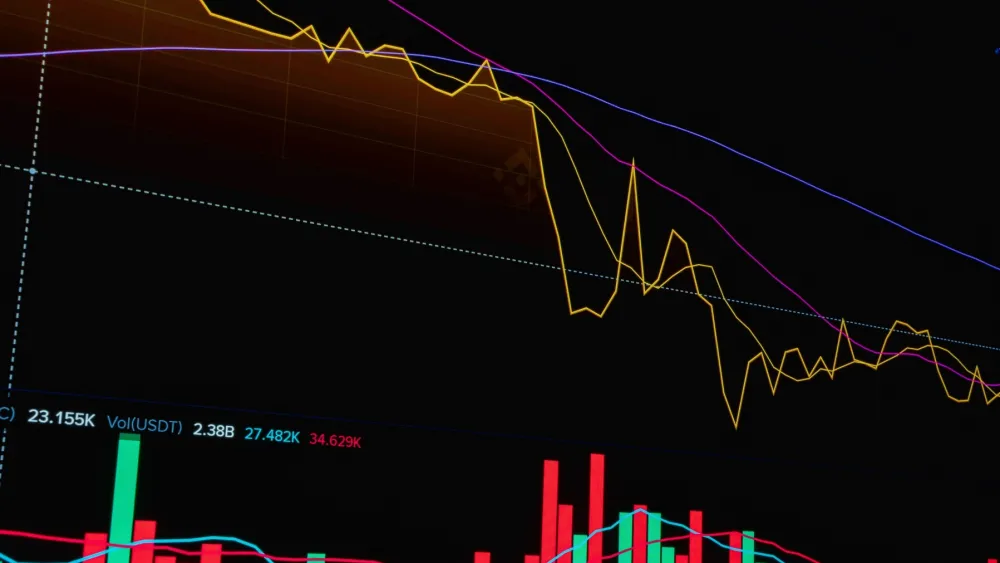
After tumbling 14.6% from the end of Q1 to April 9, the STI staged a sharp rebound of 12.9% by April 23.
Singapore’s retail investors made bold moves in April as the Straits Times Index (STI) saw one of its most volatile stretches in recent years.
After tumbling 14.6% from the end of Q1 to April 9, the STI staged a sharp rebound of 12.9% by April 23. Still, the index closed the period with a net loss of 3.2%.
Retail traders were quick to act during the initial selloff. From April 1 to 9, they poured $1.165b into the Singapore stock market, betting on a rebound.
Their net buying continued until mid-month, but by April 15, sentiment shifted. From April 15 to 23, retail investors net sold $253m, capitalising on price recoveries and growing more cautious as global headwinds mounted.
Bank stocks were a major draw. DBS, OCBC, and UOB led retail net buys in the early part of the month, with investors positioning ahead of the banks’ first-quarter earnings reports due in early May.
Outside the benchmark index, stocks like iFAST, Keppel DC REIT, Aztech Global, ESR-REIT, and First Resources also saw significant retail interest.
Interestingly, the stocks that retail investors sold off after mid-April turned out to outperform those they held onto.
Shares that were net sold gained an average of 8%, compared to just 4.1% for stocks that remained in retail portfolios. Among the most heavily net sold were Singtel, DBS, SGX, SIA, and ComfortDelGro.
Investor caution has been reinforced by a weakening macroeconomic outlook. The IMF recently downgraded its 2025 global growth forecast from 3.3% to 2.8%, with Asia’s trade-driven economies—including China and ASEAN—expected to bear the brunt of escalating US tariffs.
Reflecting this, the 12-month consensus target for the STI was trimmed by 3.4%, to 4,210 from 4,360.
Despite Singapore's Q1 GDP growth of 3.8% and a 3.3% rise in non-oil domestic exports (NODX), forward-looking indicators are turning more cautious.
A slowdown in capital goods demand and trade-related uncertainties could weigh on export-oriented sectors and earnings growth in the months ahead.
As the second quarter unfolds, investor focus will likely shift toward earnings performance and central bank signals, whilst market volatility remains a key theme in navigating the balance between risk and reward.












![[Singapore Business Review] Report on the Asian Business Channel](https://www.cmgassets.com/s3fs-public/styles/video_thumbnail/public/2026-10/full-show-thumbnail_1.png.webp?VersionId=bJbrT_JKOuMWBnf7YkmsWjOSWIXddSvY&itok=zWuxHRNG)













 Read Here
 Advertise
 Sign Up









