
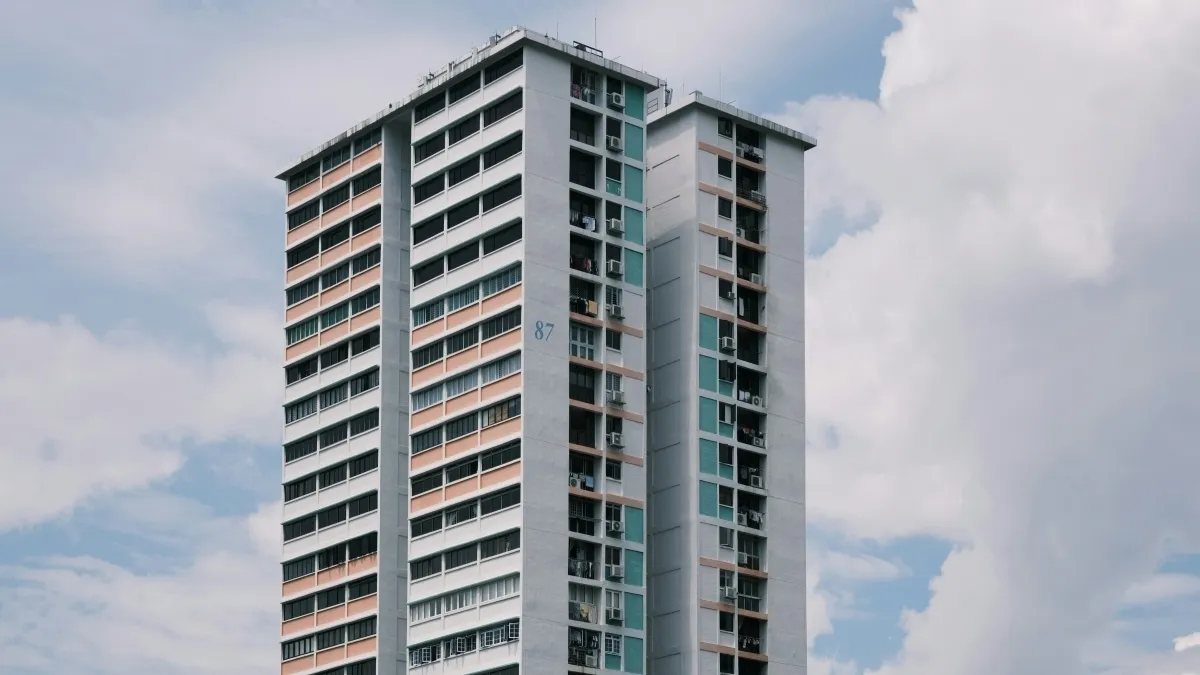
HDB resale market may stabilise after 3 quarters of decline
Private home prices will likely remain resilient.
Property analysts expect Singapore’s private-home prices to remain resilient despite lower transaction volumes, whilst the HDB resale market could stabilise after prices declined for a third consecutive quarter.
Private residential prices rose 1.4% QoQ in Q3 2026, up from 0.5% in the previous quarter. Prices rose 2.8% during the first nine months of the year.
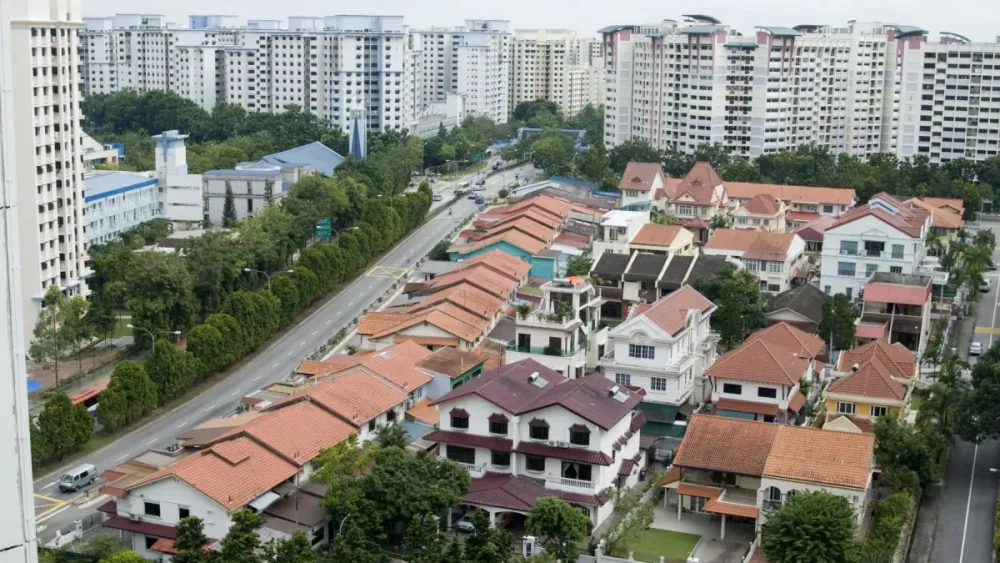
The increase was led by landed homes, where prices rose 2.8%. Non-landed prices increased 0.9%, supported by a 2.2% gain in the Outside Central Region.
Prices in the Rest of Central Region edged up 0.2%, whilst those in the Core Central Region declined 0.1%.
Huttons Asia CEO Mark Yip said landed homes were the main driver of the quarterly increase, whilst new projects helped establish higher price benchmarks in the suburban market.
However, private-home transaction volume fell about 30% to 4,296 units, based on transactions recorded through mid-September.
Yip attributed the decline partly to fewer launches during the seventh lunar month, affordability concerns and buyers taking time to assess recent housing-policy changes.
Huttons estimated that developers launched and sold approximately 1,100 new private homes during the quarter. It expects around 7,000 units to be sold for the full year, with private-home prices increasing by 3% to 4%.
Knight Frank Singapore Head of Research Leonard Tay said landed prices continued to reach new highs despite relatively stable quarterly sales volumes.
He said demand remained supported by homeowners seeking to upgrade from apartments to landed properties.
The removal of the 15-month wait-out period for private-property owners buying non-subsidized HDB resale flats could also increase transactions by encouraging retirees to sell larger private homes and right-size, Tay added.
Knight Frank expects private-home price growth to finish near the middle of its 3% to 5% full-year forecast.
However, Tay warned that rising retrenchments and uncertainty surrounding artificial intelligence’s effects on employment could prompt potential buyers to delay major purchases.
Cushman & Wakefield Head of Research for Singapore and Southeast Asia Wong Xian Yang said Q3’s faster price increase may have been partly influenced by lower transaction volumes and differences in the price points of newly launched projects.
Higher-priced launches could raise overall sales prices even as the number of transactions declines.
Wong expects private-home prices to rise by 3% to 4% in 2026, supported by underlying local demand, borrowing costs and higher replacement costs.
However, he described an emerging tug of war in which buyers are taking longer to decide whilst sellers continue to hold their asking prices. This could result in lower transaction volumes but continued modest price gains.
The HDB resale market showed a different trend. Prices fell 0.2% QoQ and 0.6% YoY in Q3, marking a third consecutive quarterly decline.
Resale volume nevertheless increased 5.2% from a year earlier to 7,528 units.
Realion Chief Researcher and Strategist Christine Sun said removing the 15-month wait-out period generated more inquiries from private homeowners seeking to right-size, although stronger interest has not yet fully translated into completed transactions.
She expects demand for larger resale flats and million-dollar units to increase as private homeowners sell their properties and move into more affordable public housing.
However, Sun said premium transactions remained too small a share of the market to cause a broad price surge.
An increasing supply of flats reaching their minimum occupation period and the higher income ceilings for new HDB flats could also restrain resale-price growth by giving buyers more alternatives, she added.











![[Singapore Business Review] Report on the Asian Business Channel](https://www.cmgassets.com/s3fs-public/styles/video_thumbnail/public/2026-10/full-show-thumbnail_1.png.webp?VersionId=bJbrT_JKOuMWBnf7YkmsWjOSWIXddSvY&itok=zWuxHRNG)













 Read Here
 Advertise
 Sign Up









