How will the property tax hike affect the residential market?
As outlined in the 2022 Budget, property tax will increase in 2024.
Compared to other tax hikes outlined in the 2022 budget, the property tax will have the least impact on the market it directly affects, according to experts.
In particular, residential property demand will unlikely be dampened by the looming tax hike, Cushman & Wakefield said.
“Whilst an increase in property tax does increase holding costs for property… the increase in costs seem manageable,” the analyst added.
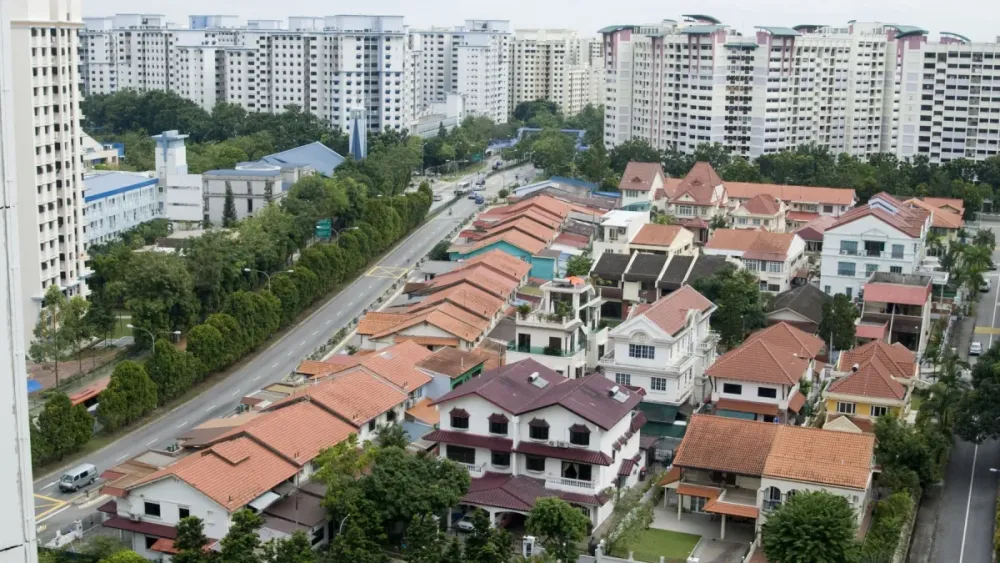
Even demand in the Good Glass Bungalow segment, which is expected to see the largest increase in property tax, will not be as affected by the hike given that “high net worth individuals would be able to absorb” the increase.
CBRE, for its part, said it expects the increased tax to have “minimal impact” on the market; however, when coupled with the latest cooling measures set by the government last December 2021, overall buying sentiment, particularly in the mid to high-end market, maybe further deterred.
As outlined in the 2022 budget, property tax will be increased to 11% to 27% come 2023, and 23% to 36% in 2024.
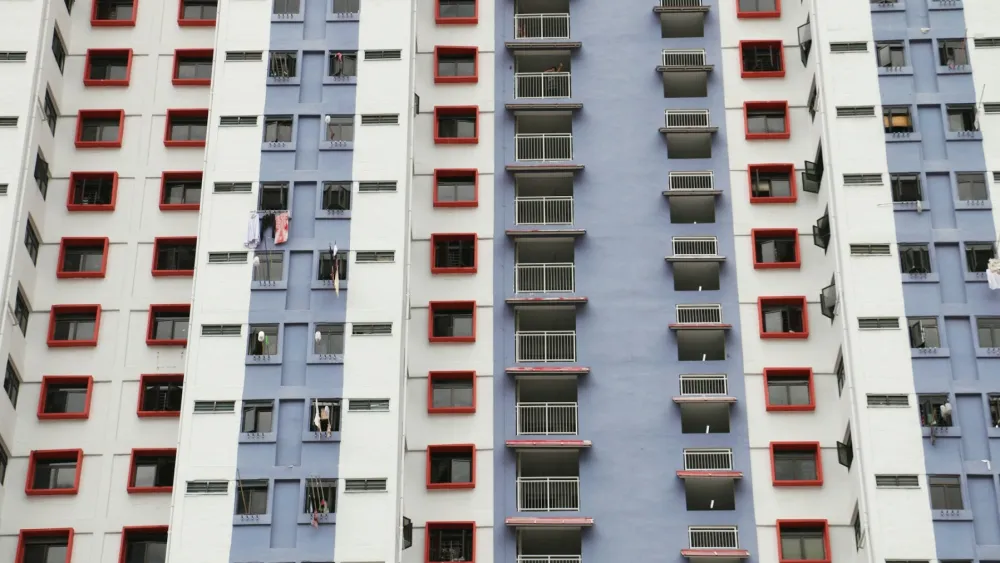
For owner-occupied properties, like HDB or condominiums, will be increased from around 5% to 23% (2023) to 6% to 32% in 2024, applied only to the portion of annual value in excess of $30,000.
Meanwhile, non-owner-occupied residential properties, which include investment properties, will see an 11% to 27% increase in 2023 and a 12% to 36% hike in 2024.
Demand in these investment properties likewise won't be “significantly dented” by the increase, PropNex said.
“Many investors take a longer-term view of property investments and are looking at the potential for capital growth and wealth preservation in the future,” the analyst said.
The hike however might affect rents in properties “as some residential landlords may raise rentals to help defray the rise in property tax payable,” PropNex said. Investors with multiple properties might also start investing in commercial properties instead since it has a flat property tax rate of 10%, the analyst added.
























 Read Here
 Advertise
 Sign Up