

Retail growth to halve in H2 as Mideast conflict ends 'inflation calm'
Sales momentum faces an H2 moderation as businesses, households shift to a wait-and-see approach.
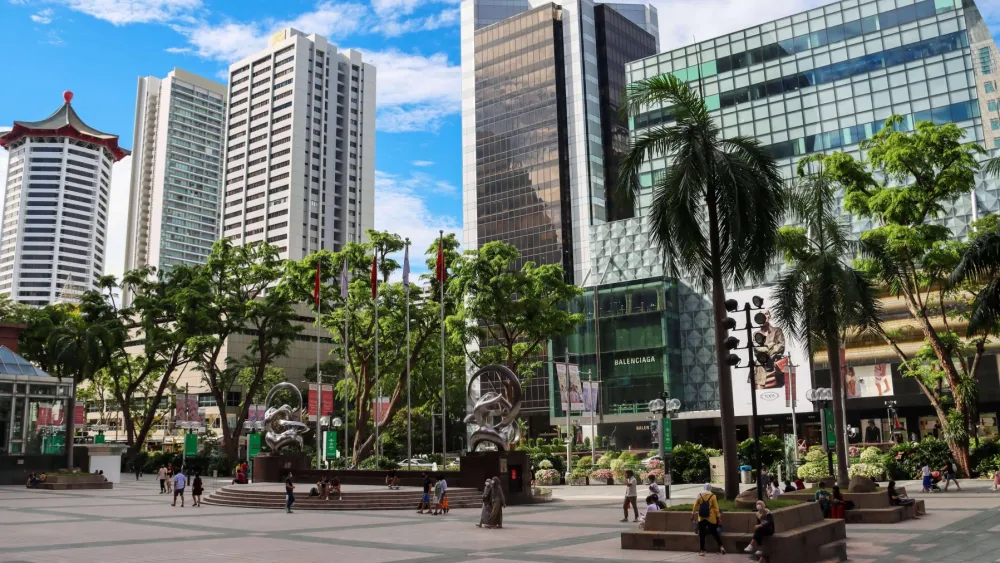
Singapore's retail sector is expected to remain resilient in the near term before moderating in the second half of 2026, as global economic headwinds and ongoing Middle East conflict weigh on sales growth, according to RHB.
Government data said retail sales in Singapore rose 4.8% year-on-year in March, slowing from the 8.3% YoY rise recorded in February. On a seasonally adjusted month-on-month basis, sales grew 3.7%, rebounding from a 4.3% drop in February.
RHB said retail sales growth was primarily driven by a strong rebound in the motor vehicles segment, which posted a 12.9% YoY increase, reversing the 7.8% YoY decline recorded in February.
Despite the softer year-on-year increase in March, underlying retail demand remains resilient at this juncture, with sales momentum rebounding in the same month.
In the immediate term, Singapore retail activity is likely to be supported by resilient domestic demand, a still-firm labour market, and government support measures under the FY2026 Budget 2026 which help cushion consumption.
However, the analyst maintains a cautious view. Despite the perpetual ceasefire, Singapore’s economic outlook remains clouded by the ongoing uncertainties, especially in the Middle East region. Elevated uncertainty could lead to a slowdown in economic activity as businesses and households adopt a more cautious, wait-and-see approach and delay spending and investment decisions.
Whilst retail sales may continue to be supported in the near term, downside risks remain, particularly from inflationary pressures stemming from higher fuel costs associated with the ongoing Middle East conflict.
RHB noted that March’s headline inflation rate of 1.8% is likely the calm before the storm, with inflation pressures expected to build in the months ahead. The initial impact is most evident in rising petrol and transport expenses, which are expected to gradually pass through to broader retail prices in the months ahead.
RHB also pointed to a softening labour market as a further headwind, with labour demand expected to ease as firms scale back hiring and expansion plans amid heightened economic uncertainty. Trade-related industries such as manufacturing and wholesale trade are seen as facing more pronounced pressures due to the challenging external environment.
The Business Expectations Survey also indicated that the food and beverage services sector recorded the weakest employment outlook, with hiring expected to decline in the April to June 2026 period following seasonal strength during Chinese New Year.
Full-year retail sales projection at 2% for 2026.












![[Singapore Business Review] Report on the Asian Business Channel](https://www.cmgassets.com/s3fs-public/styles/video_thumbnail/public/2026-10/full-show-thumbnail_1.png.webp?VersionId=bJbrT_JKOuMWBnf7YkmsWjOSWIXddSvY&itok=zWuxHRNG)













 Read Here
 Advertise
 Sign Up









