Korean telecoms compete for the best bandwidth
As operators go through over 80 rounds of bidding for the auction of the 1.8GHz broadband wireless spectrum.
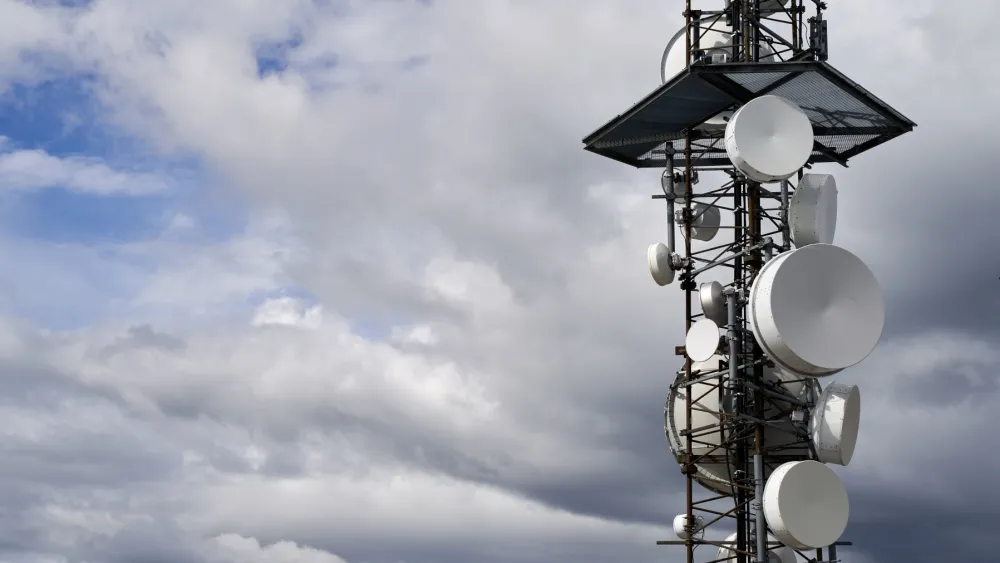
Moody's Investors Service says that competition in the Korean telecoms sector is poised to intensify as operators vie for the best bandwidth following the authorities' successful and first-ever auction of 1.8GHz broadband wireless spectrum.
"Operators with less available spectrum for ultra-high-speed, fourth generation (4G), long-term evolution technology will have to compete via promotions on tariffs, handset subsidies, and higher marketing expenses to attract technology-savvy subscribers," says Laura Acres, a Moody's Vice President and Senior Credit Officer.
"Korea's telecommunications regulator, the Korea Communications Commission, organized the sale during the week of August 29, and the need among operators for better bandwidth was evidenced by more than 80 rounds of bidding and a final price which was more than double the initial reserve," says Acres.
Acres was speaking on the release of a special report on the auction and its implications for the Korean telecoms sector, and which she authored.
"The auction's results exemplify how much Korean operators are willing to pay to become cutting-edge providers of wireless technology. Furthermore, the auction's success in raising funds for government coffers is likely to mean auctions for the 700MHz band in 2013, when the country shuts down its analogue TV broadcast system and returns the frequency to the KCC," says Serena Won, a co-author on the report.
"At the same time, the auction process and the attractiveness of this frequency may create further competitive pressures for Korea's telecom operators, who favor the 700MHz band because its low bandwidth allows waves to travel farther. Carriers in the US, Europe, and Asia Pacific also widely use this band, which should allow for greater compatibility and international roaming by Korea's smartphone users within those regions," says Acres.
The Moody's report further notes that surging smartphone usage in Korea, soon to hit 40% of total wireless usage, is the industry's fastest growing market, and 4G is best positioned to serve its high demands for data. Accordingly, capex for 4G, like marketing costs earlier, will weigh on margins.
Korean carriers have incurred several years of declining EBITDA margins as competition has become more intense, and plans to launch LTE services are unlikely to restore them to a point where they are more in line with the operators' underlying credit ratings.
In the auction for 1.8GHz broadband wireless spectrum, SK Telecom, Korea's largest cellular operator, emerged as the winner against KT Corp. SKT agreed to pay KRW995 billion ($925.7 million), some 2.2x higher than the initial reserve price of KRW445.5 billion.
Photo from xoxoryan





















 Read Here
 Advertise
 Sign Up