Over 1 in 4 firms unable to cope with foreign worker levies

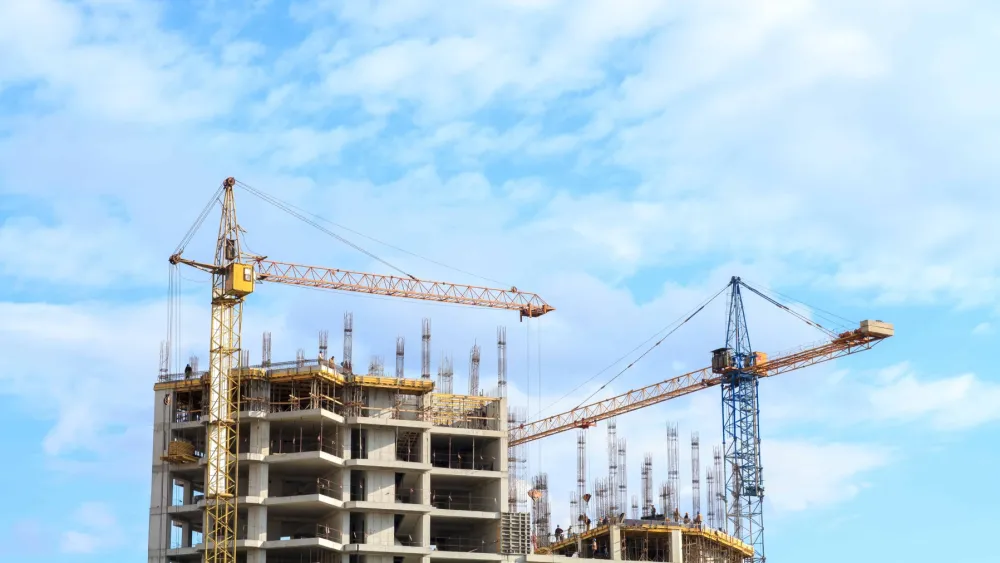
The construction sector has been hardest hit.

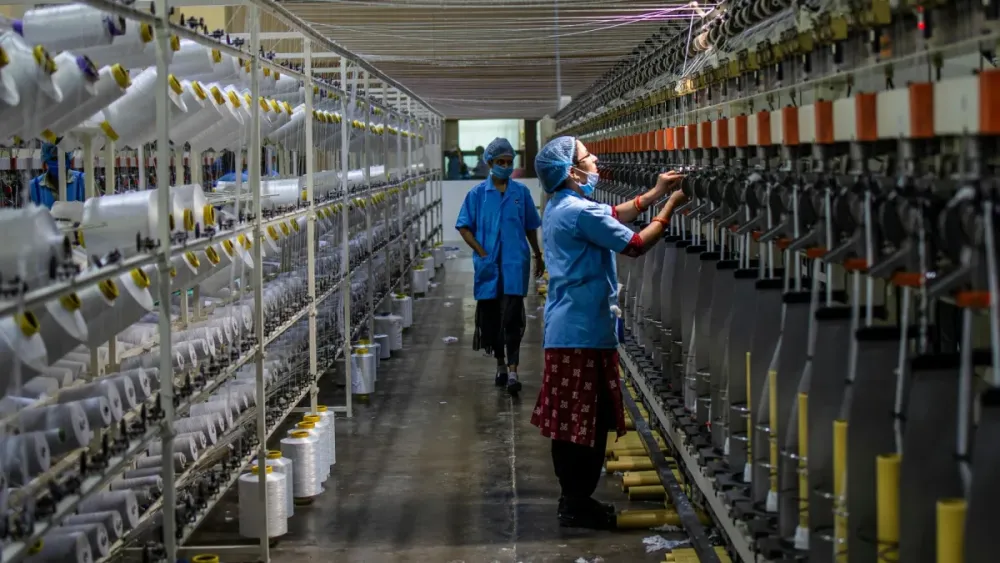
Over a quarter of local firms have not been able to adapt to the government’s foreign worker levies, a report from the Institute of Singapore Chartered Accountants revealed.

The survey showed that 28% of respondents indicated that their firms have not been able to adapt to the change in policy, while 52% of businesses stated that they are still affected by recent changes to the foreign worker policy,
The findings indicate that the construction sector has been hardest hit by the levies, with 88% of respondents from this sector stating that have been affected by the policy.

Of respondents who indicate that their firms had been affected by the changes to the foreign worker policy, 43% of public accountants and 41% of professional accountants in business indicate that the main approach adopted by their firms to adapt to the changes had been to hire more local workers. 
Join Singapore Business Review community
A NOTE FROM SINGAPORE BUSINESS REVIEW

Reaching the people who run Asia's businesses is harder than it used to be.

Inboxes are crowded. Attention is short. The executives you most want to reach — the founders, CFOs, and operators who actually move budgets — are the hardest to find through the usual channels. If you're building a company, a category, or a reputation, you already know this.

We've spent twenty years building the room they read. Singapore Business Review is where senior decision makers in Singapore and across Southeast Asia come for business coverage they can't get elsewhere — in print, online, and in person at the summits and roundtables we host across seven markets.

If you have something these readers should know about — a point of view worth publishing, a product worth their attention, an event worth their time — we'd like to hear what you're trying to do.

Top News

High-spec facilities to drive industrial demand
Realion expects rents to rise by up to 3% in 2027 despite the completion of 12.3 million sq ft of new space.