Here's why the property market will likely see a recovery this year
The spike in the number of skilled workers is boosting the economy.
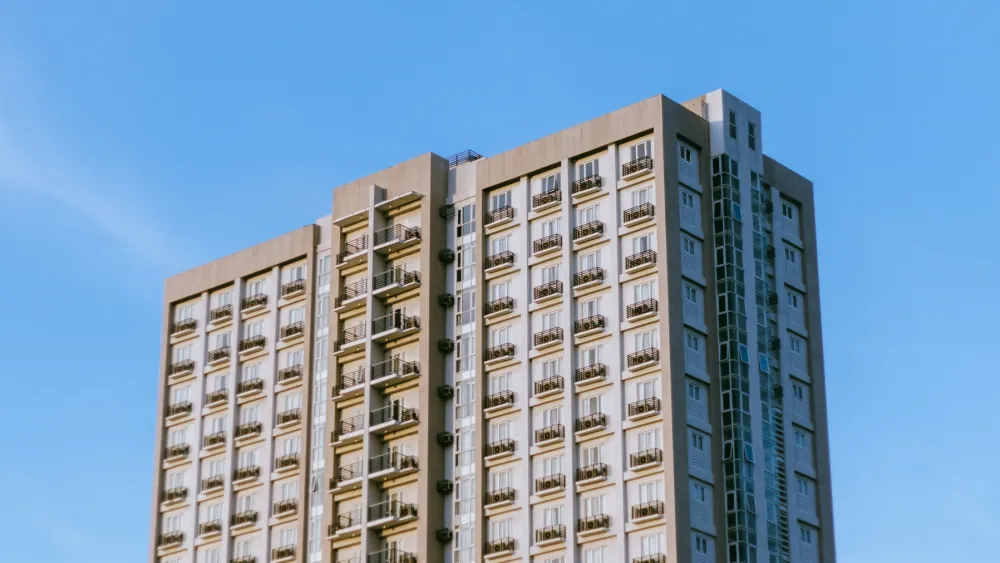
The city-state's property market may welcome good news this year in terms of office demand and retail sales growth recovery.
According to JLL, the property market will pick up with the growing number of skilled workers boosting the economy.
Citing the latest figures, JLL said the number of employment pass holders rose 2.3% in the past year, despite the measly 0.5% growth in overall employment.
In the last 18 months, the number of employment pass holders increased by 7%, compared to just 2% over the 36-month period in 2012 to 2014. This shows a significant relaxation in the inflow of skilled workers in Singapore.
In addition, the government targets to create about 25,000 to 40,000 jobs annually for the next few years, double the rate seen in 2014 to 2016. JLL estimates this could imply that the city's population may grow 1.5% to 1.8% between 2017 and 2025.
JLL head of Southeast Asia capital markets research Regina Lim noted Singapore's inflation is expected to hit 1% in 2017, after two years of deflation. She said the property market may see a recovery as economic growth unfolds in the country.
"Historically, office demand correlates with GDP growth, and this will likely spur the growth of retail sales and rental values. Singapore's economy is expected to grow by 2.6% in 2017 and 3.2% in 2018. Putting these factors together, we can expect to see office demand and retail sales to improve after slowing for the last six years," explained Lim.
Meanwhile, the residential market is also set to recover following the gradual relaxation of cooling measures. There was also an announcement during the Budget last February about increasing housing grants for purchase of resale public housing to $20,000. Lim said this signals a possible hike in resale sales proceeds, lifting sentiments amongst HDB households aspiring to upgrade to private homes.
"A healthy resale HDB market helps to stabilise the private residential sector, which may translate to a 5-10% increase in mass condominium sales," she said.
Lim furthered, "Another adjustment made is the reduction of seller's stamp duty, which signals to the market that the government is firmly on the relaxation path to gradually remove the property cooling measures as interest rates rise over the next few years."
In terms of luxury home segments, transaction volumes could go up by as much as 30% year-on-year as prices are pegged to rise by 2-5% this year.






















 Read Here
 Advertise
 Sign Up