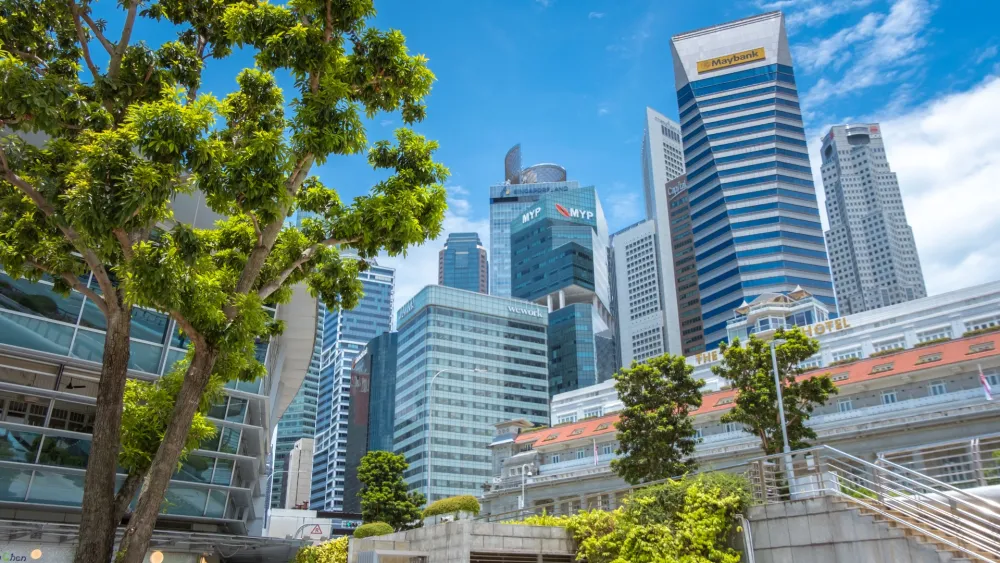
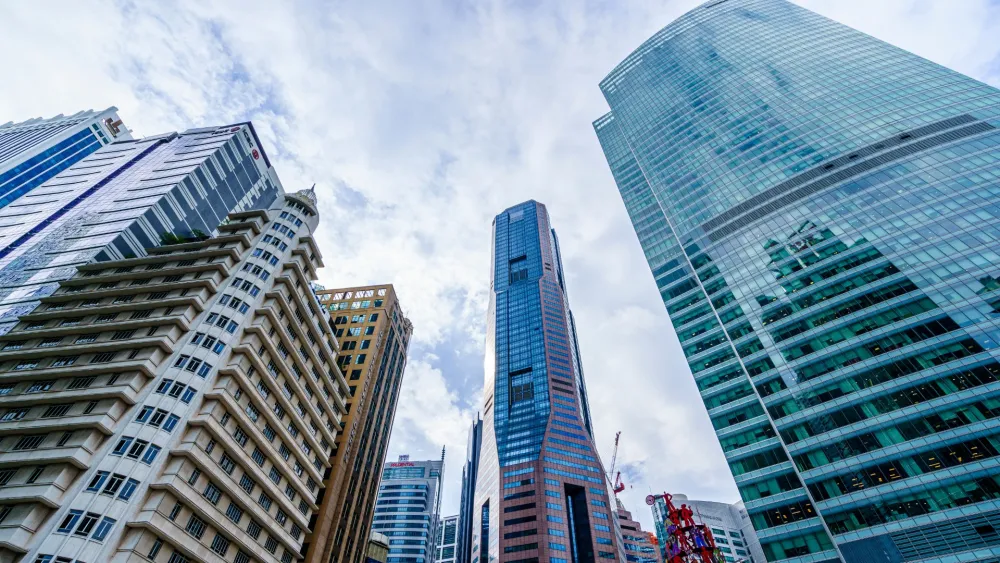
Office space prices drop 4.3% in Q2

The island-wide vacancy rate has increased to 12.1% during the same period.

Office prices saw a 4.3% fall in Q2, extending the 4% decrease experienced in the previous quarter, data from the Urban Redevelopment Authority (URA) revealed.

By the end of Q2, 668,000 sqm gross floor area (GFA) of total supply is in the pipeline, compared with the 682,000 sqm pipelined GFA in the previous quarter.

The amount of occupied office space lessened by 55,000 sqm (nett) this quarter compared with the decrease of 7,000 sqm (nett) in the quarter before. The office space stock grew by 43,000 sqm (nett) in Q2, compared with the rise of 33,000 sqm (nett) in Q1.

Resultantly, the vacancy rate of such properties have spiraled to 12.1%, up from 11% at the end of Q1.
Join Singapore Business Review community
A NOTE FROM SINGAPORE BUSINESS REVIEW

If you've been wondering whether SBR could work for your company — yes, probably.

A lot of the companies we partner with started as readers. They'd been following our coverage for a while, saw their own customers and competitors in it, and eventually asked the obvious question: could we do something with you? The answer is usually yes. The shape of it depends on what you're trying to do.


The options are broader than most people assume — thought leadership articles, sponsored content, industry summits across Southeast Asia, regional awards programmes, podcasts, and media placements in print and digital. Some partners use one channel; most use a mix. We figure out the right combination by starting with your brief, not with our rate card.


So if the question has been on your mind, here's the easy way to ask it.

We'll tell you honestly whether we can help, and how. It's a better use of everyone's time.

Top News

Singapore targets $645m fund for SEA climate projects
The programme will also feature a data platform and a market development facility.
iWOW swings to $700,000 loss in H1 2027
Datacomm revenue fell 41%, whilst wireless engineering declined 35%.