How Malaysia may suffer from China's economic slowdown
Export demand likely to be hit.
According to DBS, a slowdown in the China economy will affect mainly the external sector through its effect on exports. There could be some knock-on effects on domestic demand but that should remain resilient, thereby offsetting part of the potential drag from the external front.
Here's more:
Malaysia’s domestic sector has been crucial in keeping its economy afloat in recent years. Except for the two quarters when the world was struggling from the impact ofthe US financial crisis, private consumption and investment have helped the economy weathered the volatility in external demand.
This is particularly the case during the last three years of European debt crisis when domestic demand isthe driver keeping growth in positive territory amid the drag from net exports. GDP growth between 2010-2012 averaged 6.1%, thanks to the resilience in domestic demand.
If the China slowdown islargely policy-driven and measured, the impact on Malaysia’s growth outlook is will likely be moderate. Full year GDP growth for 2013 is expected to register 5.0% before inching higherto 5.5% in 2014.
This is based on assumption that the global economy remains on a gradual normalisation process. The effects of the policy tightening in China will most likely be manifested next year, which makes for marginally slower GDP growth pace in 2014.
But some impact is bound to be felt. And it’ll be mainly restricted to the externally oriented sector. China is the second largest export market, accounting for about 12.6% oftotal exportshare in 2012. Thisis up from just 3.1% in 2000.
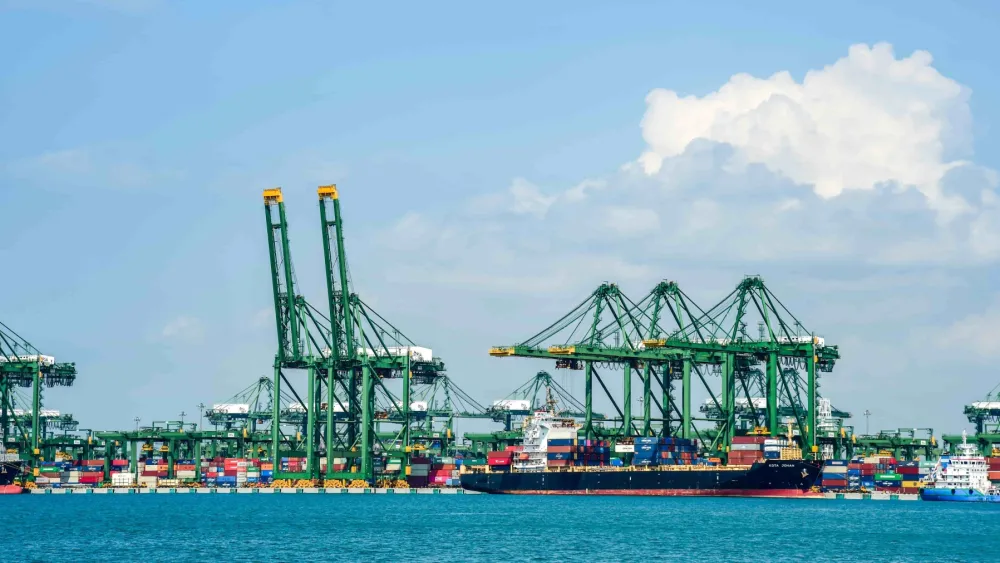
Key export products include electronics component, transport equipment and palm oil. A slowdown in demand from China is expected to hit these sectors as well asthe broader manufacturing sector comparatively harder. Some services industries, particularly those externally oriented onessuch astrading, shipping and tourism services will also be affected.
The overall direct impact of a China slowdown from the external front is expected to be manifested in certain segments ofthe economy. In addition, the risk lies in the compounded negative spill overs from other markets such as Singapore and Hong Kong, also key market to Malaysia.

























 Read Here
 Advertise
 Sign Up