What can Singapore get from a border less
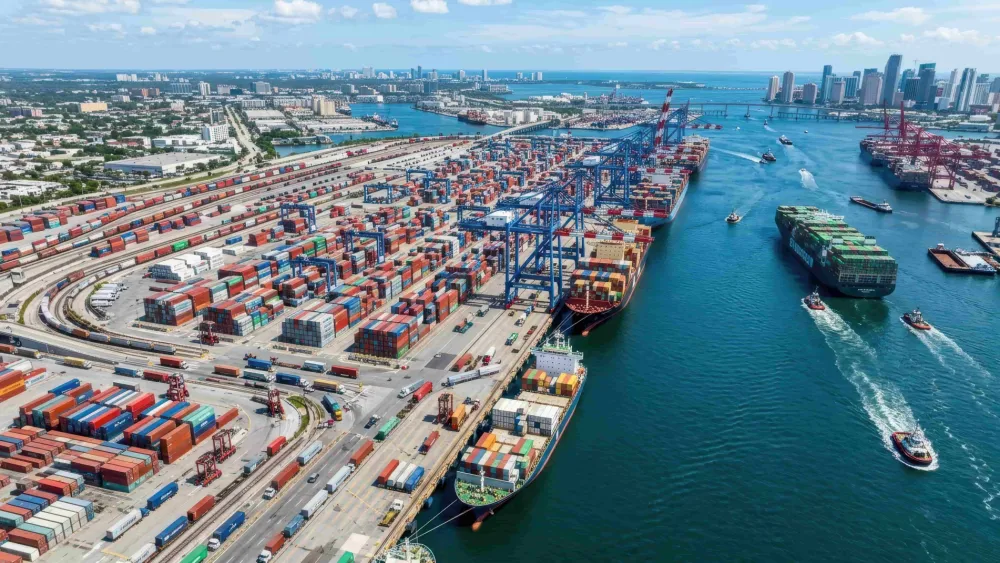
In 2005, award winning columnist Thomas Friedman introduced an outstanding metaphor for a border less economic world, The World is flat. Since then the world has become conscious of economies flattening stimulating lateral growth and enhancing global accessibility.
Asia has been witness to near border less economies that manufacture, package and extend offerings sans geographical barriers thereby taking the economic advantage of respective places and combining it strategically to exact significant benefits.
Worthy examples in the Asian context that come to mind are India being positioned as the back office to the world or Singapore promoted as the next global transactional hub after New York and London.
Though the flat world has transformed world economy into a global supply chain, extending a level playing field, does this inter-accessibility make for quicker spread of a global recessional epidemic?
By braving recessions in the past, countries like Singapore, India, China to name a few, have extended much needed respite to the global economy under trying conditions. On the other hand, recent slowdowns observed in China and India indicates a double dip recession will have a wider impact.
Even as we speak, Europe’s debt situation continues to have a significant impact on the world economy. The question we should ask ourselves here is whether interdependence is balancing the global tilt or tilting the global balance?
On a sanguine note, perceived interdependence has a tacit independence for emerging economies. In the past developed countries used their developing counterparts as economical manufacturing hubs while the former remained their biggest consumers.
Of late, enablers such as a flat world and other economic catalysts have transformed developing countries especially BRIC economies to contribute significantly in their role as consumers as much as producers. This shift has been incredible with some countries like China transforming at an enviable pace by taking 600 million people out of poverty since 1980.
With BRIC and other emerging economies establishing themselves as business hub rather than just operational hub, the tilt seems more in favour of global balance.
Though, still far from a predominant developed world, steps seems happening towards it and withstanding recessions on the way, arguably reinforces the righteousness of the belief.
Vijoy Varghese, Country Head - Singapore, Tata Consultancy Services





















 Read Here
 Advertise
 Sign Up