Data centre cap leaves developers looking across the causeway
Unmet demand is heading to Johor as power and land constraints bind.
Singapore's award of 200 megawatts of new data centre capacity under its Data Centre Call for Application initiative fell well short of competing proposals, and Fitch Ratings expects developers to redirect much of that unmet demand to Johor.
The shortfall reflects structural limits rather than weak appetite, the report said. Occupancy has exceeded 95%, according to CBRE estimates, and Fitch expects tight conditions to persist through the rest of 2026 despite additional approvals.
Power availability, land scarcity and tightening sustainability requirements are concentrating development in designated locations and slowing how quickly new supply can respond.
From a credit perspective, high entry barriers, low vacancy rates and strong spillover demand support existing assets, particularly those with strong connectivity and expansion optionality.
Fitch said new supply faces higher completion risk, as power availability, grid upgrades, equipment lead times and sustainability requirements become more binding constraints.
“We expect this to favour operators, landlords and infrastructure providers with secured utility access, established customer relationships and proven delivery capabilities, while speculative developments are vulnerable to delays, cost inflation and regulatory change,” the ratings firm said.
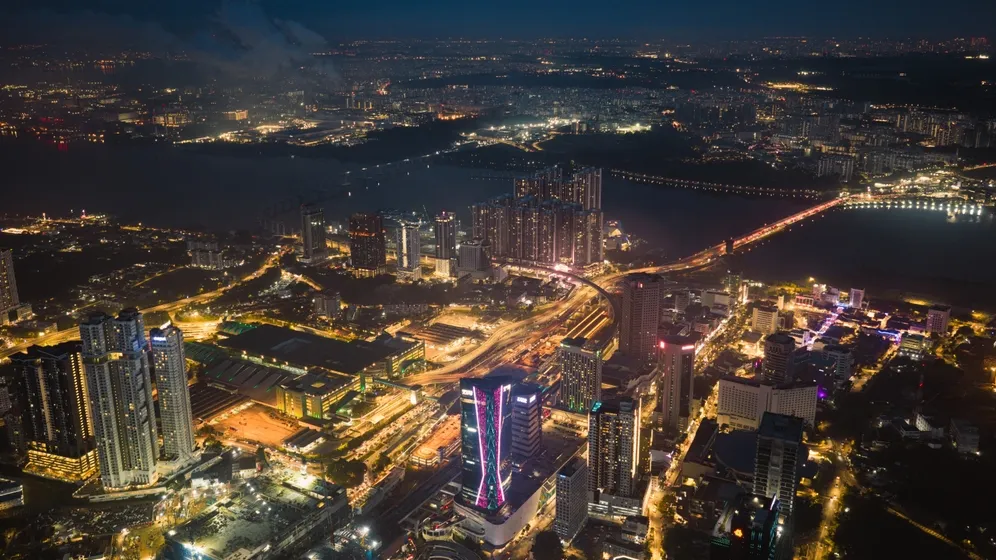
Johor is the immediate beneficiary. Operational IT capacity there reached 1,110 megawatts in the first half of 2026, according to Cushman & Wakefield, with 602 megawatts under construction and a further 2,486 megawatts planned.
Colocation vacancy has fallen to 0.7%. The state's proximity, lower development costs and integration through the Johor-Singapore Special Economic Zone make it the natural overflow market.
Malaysian authorities have responded to the pace of growth by tightening requirements around power efficiency, water use and renewable energy adoption. Fitch said those measures may slow capacity additions and lift costs but should improve the market's long-term discipline and resilience.
Demand fundamentals across the corridor remain intact, driven by cloud adoption, enterprise digitalisation and AI workloads. But Fitch said the timing and location of new capacity would increasingly be determined by infrastructure availability and execution rather than demand alone.



























 Read Here
 Advertise
 Sign Up