Hourly CFE matching could save SG $238.6m annually by 2030
A planned 1 GW link to Batam, Indonesia, would increase Singapore’s base CFE share to 10% from about 2.7%.
Hourly carbon-free electricity (CFE) procurement could cut Singapore’s natural gas fuel bill by $238.65m annually by 2030, according to new modelling from climate analytics firm TransitionZero.
The analysis showed that achieving a 70% hourly clean energy match—where corporate power use is aligned with real-time renewable generation—delivers deeper cost and emissions savings than traditional annual matching, with lower capital requirements and overall system costs.
At 70% hourly matching, the system would not only save on fuel but also reduce capital expenditure by around $60.63m, resulting in a net system cost reduction of $20.64m, or about 38% cheaper overall compared to the same level of annual CFE matching.
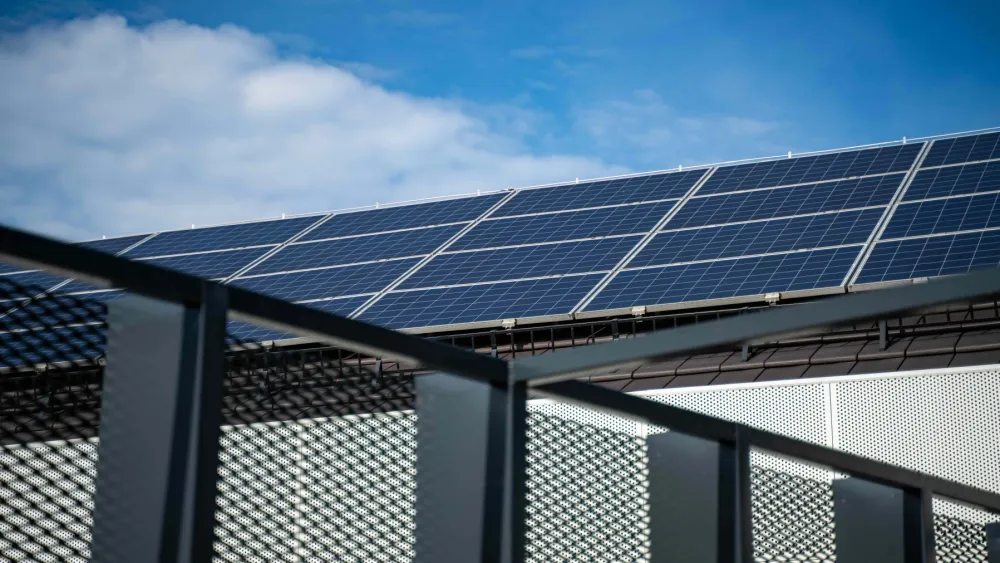
These outcomes could be delivered through corporate procurement of around 2.4 gigawatts of solar and 0.5 gigawatts of battery storage, primarily via power purchase agreements (PPAs) with commercial and industrial buyers.
The benefits scale with ambition. Hourly matching at 90–100% CFE levels drives up to 22% greater emissions reductions than annual matching, and can push annual fuel savings to as high as $340.56m by reducing reliance on gas during costly peak hours.
TransitionZero’s modelling suggested that this approach could transform clean energy procurement into a grid-supporting asset—shifting solar with batteries, exporting surplus to the grid, and easing pressure on gas-fired generation.
Regional interconnectors further amplify the impact. A planned 1 GW link to Batam, Indonesia, would increase Singapore’s base CFE share from about 2.7% to 10%, cutting fuel costs by an estimated $567.60m annually and lowering emissions by around 2.8 million tonnes of CO₂.
TransitionZero also noted that hourly matching is gaining traction globally as the preferred approach under the ongoing update to the Greenhouse Gas Protocol's Scope 2 guidance.
Whilst the revised guidance will not mandate targets or grades, it will shape how companies demonstrate the legitimacy of their clean energy claims to regulators, investors, and customers.
The report’s modelling covers three 2030 scenarios: a reference case with no CFE procurement, a 100% annual match scenario, and hourly matching targets ranging from 60% to 100%.
The optimisation focused on cost-effective capacity buildout and dispatch, covering about 4% of national electricity demand, and factoring in solar imports, battery dynamics, gas prices, and carbon policies.
























 Read Here
 Advertise
 Sign Up