

Opening the door to better digital banking experiences for Singapore's customers
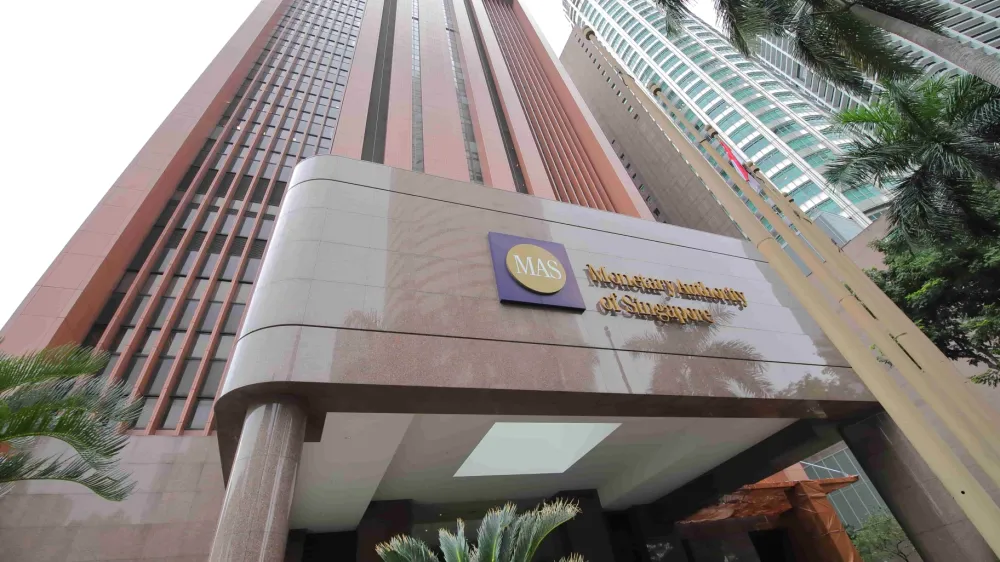
By Erich GerberThe five new virtual banking licenses that the Monetary Authority of Singapore (MAS) intends to award this year promise to contribute significant enhancements to customers’ experiences with the country’s financial institutions. The companies that secure the licenses will likely introduce new services to spur fintech innovation from traditional banks and help small and medium sized enterprises (SMEs) reach previously unbanked consumers across Southeast Asia.
Mobile-first consumers across the Asia Pacific region have quickly grown accustomed to purchasing everything from groceries and clothing to travel and electronics online – all without entering a physical store. According to eMarketer, e-commerce in the region was forecast to grow by 25 percent and account for 64.3 percent of global e-commerce spending in 2019. This explosion of th e-commerce market shows how important digital transformation is for all brands that want to have a competitive advantage.
Similarly, to meet consumers’ rapidly evolving expectations, and prevent more nimble disruptors from gaining market share, Singapore’s banks must continue advancing toward digital transformation goals to deliver more real-time, personalized and predictive banking services.
Disruptive players and customer preferences driving modernization of banking services
The 21 companies vying to secure one of the five digital banking licenses are "a diverse group of applicants," according to the MAS. Companies including Byte Dance (the firm behind popular social media app TikTok), Ant Financial (Alibaba’s fintech unit) and Grab have each confirmed that they are bidding for licenses. These potential new entrants will undoubtedly introduce new digital banking services that will provide greater customization and personalisation for the Singapore market.
Incumbent banks that are not nimble enough to transition to more digital service offerings will be at a disadvantage when the recipients of the new licenses begin operations in 2021.
Additionally, Asia Pacific consumer preferences for e-commerce and digital engagement with brands over physical interaction are influencing their expectations of interactions with their financial institution. Forrester reports that 77 percent of banking customers in the region prefer digital channels, and 73% believe they should be able to accomplish any financial task on a mobil device. The analyst firm also notes that consumers open to using digital-only banking providers vary widely across the region, with traditional banks already at a disadvantage due to perceptions of their ability to help customers better manage their finances. This raises the stakes even higher for traditional banks in Singapore as new, disruptive players prepare to enter the market.
How can incumbent banks compete?
Singapore’s banks must take significant steps to build on digital transformation initiatives and acquire a technological edge in order to stay relevant to consumers. This will require leveraging their customer bases, resources, and reputations more than ever. Since virtual banks have no physical branch offices, they can operate at lower costs and offer more innovative services. Digital transformation will help banks become more agile in the face of market disruptors, and empower them to improve the effectiveness of customer interactions, smoothness of experiences and th reliability of apps.













![[Singapore Business Review] Report on the Asian Business Channel](https://www.cmgassets.com/s3fs-public/styles/video_thumbnail/public/2026-10/full-show-thumbnail_1.png.webp?VersionId=bJbrT_JKOuMWBnf7YkmsWjOSWIXddSvY&itok=zWuxHRNG)













 Read Here
 Advertise
 Sign Up









