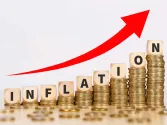
Only 40% of locals have retirement plans amidst savings concerns
A third have never calculated how much they need for retirement.
Only 40% of Singaporeans have a retirement plan, as 76% say their retirement savings are below what they expect to need, according to a Syfe–YouGov study.
The report, based on a survey of 3,315 adults across Singapore, Hong Kong and Australia, also found that 33% of locals have never calculated how much they need for retirement.
Amongst those who used a calculator or financial adviser to determine their retirement savings target, 32% felt on track to meet their goals, compared with 18% of those who had not.
Similarly, 32% of respondents with a retirement plan reported confidence in making investment decisions, nearly double the 17% amongst those without a plan.
"And put a number on retirement: a third of Singaporeans have never worked out what they’ll need, and those who have are almost twice as likely to feel on track," said Ritesh Ganeriwal, managing director and group head of Investment & Advisory at Syfe.
The survey found that semi-retirement was the most preferred retirement goal amongst Singaporeans, cited by 27% of respondents. Another 20% aimed for early retirement through the Financial Independence, Retire Early approach, whilst 15% preferred traditional full retirement.
Average retirement savings, including Central Provident Fund balances, stood at $61,000 for Gen Z respondents, $192,000 for Millennials, and $455,000 for Baby Boomers and older respondents.
For Gen X and Baby Boomers and older, the typical retirement savings target ranged from $700,000 to $999,999.
Half of the respondents said they wanted to invest more, although 49% cited fear of losing money as their biggest barrier. Another 40% reported insufficient funds, whilst 31% said they lacked investment knowledge.
Investment stability was the top priority for 28% of respondents, compared with 19% who prioritised growth.
"More than half of the people who put stability first say they’re likely to choose fixed deposits, which is fine for money you’ll need next year and expensive for money you won’t touch for twenty," Ganeriwal said.























 Read Here
 Advertise
 Sign Up