MAS cuts down training scheme subsidies in the financial sector even further
However, the government agency still expects participation to remain robust.
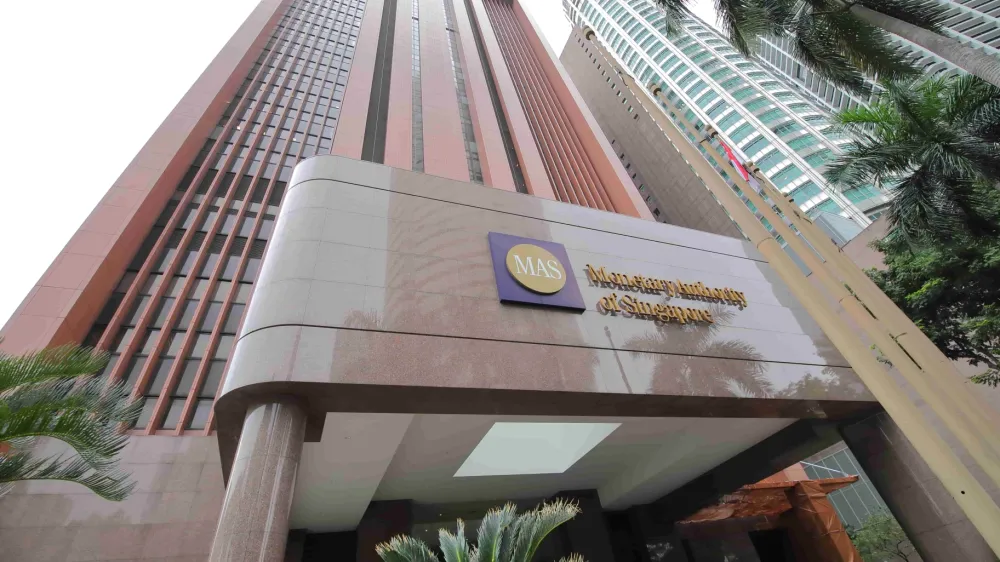
The Monetary Authority of Singapore and the Institute of Banking and Finance have announced several changes in the funding support allocated to the IBF-Standards Training Scheme (IBF-STS) and Financial Training Scheme (FTS).
The main changes will see subsidies for the training programs cut down.
Subsidies in the programs in the IBF-STS for locals attending accredited training programmes in the IBF-STS will be revised to 50% from a previous 70%.
Additionally, Singapore citizens aged 40 years and above will now be only eligible for up to 70% co-funding, down from 90%. The grant cap on these subsidies will be revised to $3,000, down from $7,000, per participant per programme.
Meanwhile, the subsidies in the FTS programmes for locals attending recognised training programmes will be revised to 30%, from 50%.
Singapore citizens aged 40 years and above remain eligible for 70% co-funding, down from 90%. The grant cap on these subsidies will be revised to $500, down from $2,000 per participant per programme.
These changes will take effect starting from 1 January 2023.
READ MORE: MAS mulls additional consumer protection safeguards for crypto trading
Additionally, starting 3 October 2022, the funding of training programmes in the IBF-STS under the Critical Core Skills and Future-Enabled Skills categories will only be available to locals employed in the financial sector like financial institutions or Singapore FinTech Association certified FinTech firms.
MAS said these changes will better enable it to continue with increased funding support in growth and priority areas.
The financial regulator still expects training participation in the financial sector to remain robust despite cut downs on subsidies, citing 2021 data, where more training participation remained strong in Q1 2022, with close to 25,000 individuals supported, despite training subsidy rates being progressively stepped down from 1 January 2022.
“The high uptake in training by our financial industry professionals is encouraging. We hope that this culture of upskilling will persist, as this allows our finance professionals to continue to support the growth and transformation of our financial sector in in-demand and emerging areas,” Leong Sing Chiong, MAS Deputy Managing Director (Markets & Development) said.

























 Read Here
 Advertise
 Sign Up