Retail, F&B, services sectors appeal for aid to weather second Phase 2(HA)
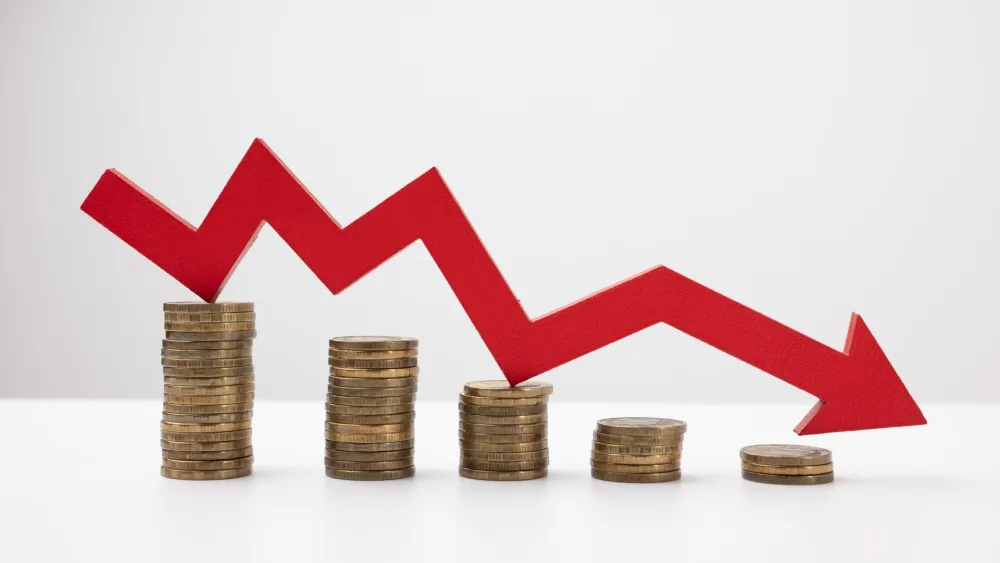
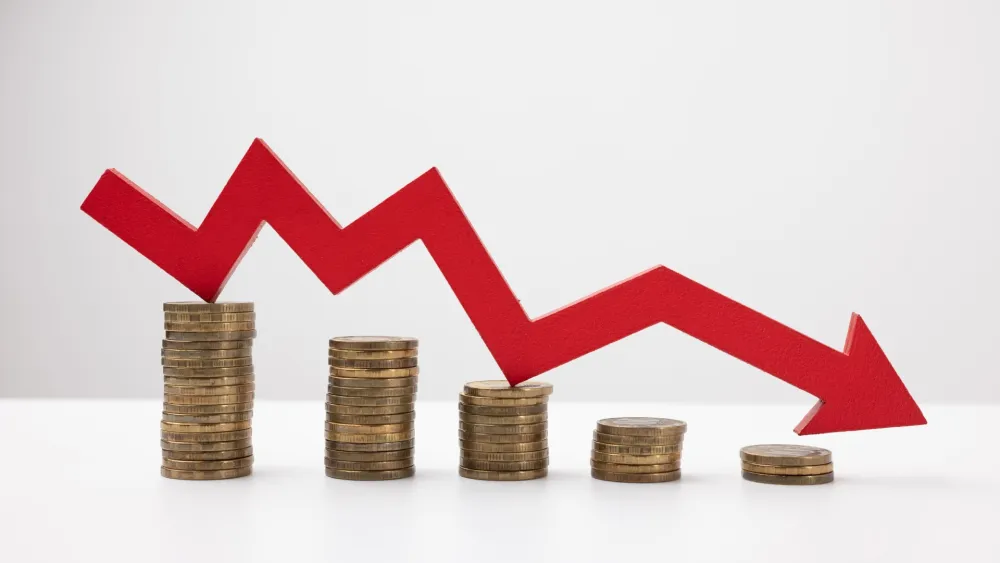
These sectors have been greatly affected by the 16-month “roller coaster” of tightening and loosening restrictions.
The rest to Phase 2 (Heightened Alert) will undoubtedly impact the services sector the hardest, particularly the food and beverage (F&B) and retail industries, economists say.
In a joint press statement, the Alliance of Frontline Business Trade Associations called for more aid, including rental rebates, wage support, and the extension of bank loan principal moratorium to June 2022.
“After 16 months of a roller coaster pandemic crisis, businesses who have managed to survive thus far are burdened by the loss of revenue and their ability to sustain jobs and afford rentals, the two largest cost components of businesses in retail, F&B and services,” said the alliance, made up of representatives from SMEs, retail outlets, and F&B services.
Dining-in has again been restricted during the Phase 2 (Heightened Alert) to prevent the spread of COVID-19.
“The current COVID-19 situation is perhaps direr compared to the previous outbreaks. Given the location of the newly found clusters especially in wet markets and food centres, these places serve a porous group of people, including vulnerable seniors, which then ‘increases the risk of undetected cryptic transmission,’” said UOB Economist Barnabas Gan, partially referencing a Ministry of Health announcement.
The economy as a whole might not suffer as much as the above sectors, Gan added, given the high growth seen in the manufacturing, finance and insurance, business services, and infocomm sectors.
“While Phase 2 (HA) will likely impact the services sector, especially the food & beverage and retail industries, Singapore’s externally-facing sectors should remain relatively unscathed,” he said.
For its part, OCBC Bank called the return to Phase 2 (HA) a “setback” to economic growth, which was expected to recover in the second quarter.
“The fiscal impact could be cumulative, depending on whether policymakers can squeeze out more from development project deferrals/savings and whether the duration is extended beyond one month. Hence, a larger FY21 deficit may be reasonable to expect if there are more of such episodes, and a tap on reserves may also be possible,” OCBC said in a report.
OCBC said gross domestic product growth could fall under 7% this year following the reinstatement of tighter restrictions, whilst UOB, represented by Gan, retained its 6.5% forecast.
The government, in the announcement made by the Ministry of Health, said that it will announce a support package for affected businesses and workers in the coming days.
























 Read Here
 Advertise
 Sign Up