
AI agents complicate banks' fraud defences
LexisNexis reports a 750% surge in agentic traffic.
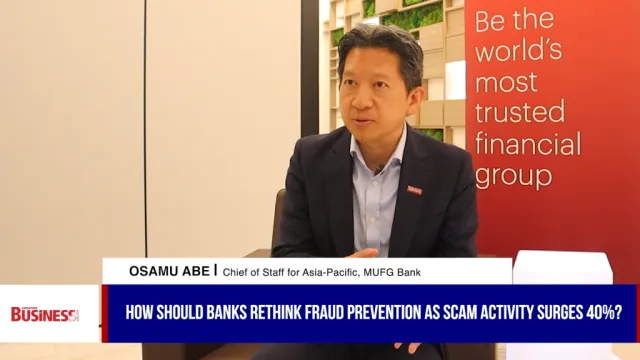
Banks face growing challenges in detecting fraudulent transactions as AI agents increasingly act on behalf of customers, creating a new category of digital activity that existing fraud prevention systems must learn to distinguish from malicious automation.
Thanh Tai Vo, director of APAC Fraud & Identity at LexisNexis Risk Solutions, said agentic traffic grew more than 750% in the first half of 2026, based on the company's analysis of global digital transactions.
The increase is forcing financial institutions to rethink how they verify identities, authorisation and transaction intent when customers are no longer directly initiating every interaction.
"Most personal agents today do not self-declare as agents," Vo said.
Traditional fraud detection systems have largely distinguished between human-initiated activity and automated bots.
LexisNexis recorded 6.7 billion fraud attacks in 2025, including 4.9 billion initiated by bots and 1.8 billion by humans, according to Vo.
However, AI agents introduce additional complexity because legitimate automated activity can resemble malicious bot behaviour.
He said financial institutions must establish who or what an agent represents, what actions it has permission to perform and whether the broader transaction context indicates suspicious activity.
"Agent detection alone cannot answer key questions," Vo said.
As direct human interaction decreases, fraud prevention systems must establish the connection between an AI agent and the individual who authorised it.
Vo said these checks should verify that agents operate within their assigned instructions, particularly when initiating financial transactions or payments.

























 Read Here
 Advertise
 Sign Up







Commentary
Singapore’s energy market needs more than accurate AI forecasts
The next frontier for insurance trust is beyond the login
Can governance keep pace with smarter technology?
Singapore’s nursing hours we cannot afford to lose
How Singapore businesses can turn automation into shared value
Rethinking authority: A systems thinking perspective on Singaporean workplaces