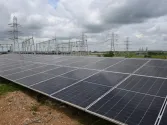
Singapore-Philippines power deals explore cross-border links
Agreements also cover advanced nuclear technology and workforce development.
Singapore and the Philippines have agreed to explore cross-border electricity interconnections and deepen cooperation on nuclear energy, as both countries seek to expand regional energy cooperation and diversify their energy options.
Minister for Energy, Trade and Industry Tan See Leng and Philippine Energy Secretary Sharon Garin exchanged Letters of Intent (LOIs) during the opening day of the Singapore International Energy Week (SIEW) Summit 2026.
The interconnection LOI seeks to explore opportunities for cross-border electricity connectivity, which could enable participating countries to trade electricity and make better use of complementary energy resources.
Both sides may engage companies with credible proposals to assess the technical, economic, financial, and commercial aspects of potential interconnections alongside coordination on relevant regulatory approvals and licences.
The LOI also aims to advance the ASEAN Power Grid vision by accelerating efforts to finalise the ASEAN Submarine Power Cable Development Framework.
Under the nuclear LOI, both economies aim to deepen cooperation in advanced nuclear technology, human resource development, the nuclear fuel cycle, nuclear waste management, and civil liability frameworks.
Cooperation includes the exchange of information and expertise amongst government officials and relevant experts, as well as research collaboration.
Both sides also affirmed that nuclear energy cooperation should be pursued safely, securely, and sustainably, consistent with nuclear non-proliferation principles, and applicable international safeguards.
At the SIEW Ministerial Dialogue on regional energy cooperation, Garin emphasised the need for compatible regulations, complementary energy resources, and mutually beneficial arrangements to advance cross-border electricity interconnections.
The Philippines is also exploring electricity links with Malaysia and Indonesia, with bilateral agreements and government coordination seen as key to advancing regional projects.























 Read Here
 Advertise
 Sign Up