Property shocker: Seventh cooling measures the 'most severe' to date
Expect maximum impact on the market.
According to Knight Frank, the seventh cooling measures can be considered as the most severe and most encompassing that we have seen from the government to date after six earlier rounds. The cooling package addresses wide-ranging issues from Permanent Residents and citizens, to HDB flats and ECs, and even on industrial properties.
Here's more from Knight Frank:
The government is concerned with the rising property prices in Singapore, which has fuelled inflationary pressures and could cause long-term structural problems to the economy if left unresolved.
This latest set of cooling measures is designed to have the maximum impact on the property market to rein in escalating prices that run ahead of economic fundamentals at this stage, so as to avert a possible destabilizing price correction in the later periods if market conditions deteriorate.
Continuous buoyancy of the property market despite 6 rounds of cooling measures
Flash estimates of 4Q 2012 URA for all residential private property price index recorded a surge in prices of 1.8 per cent quarter-on-quarter, following two consecutive quarterly increases at 0.4 per cent and 0.6 per cent in 2Q 2012 and 3Q 2012 respectively.
Alarmingly, prices of mass market private homes in OCR increased 3.4 per cent q-o-q in 4Q 2012, compared to moderate pace of 0.5 to 1 per cent increase quarterly since 4Q 2011.
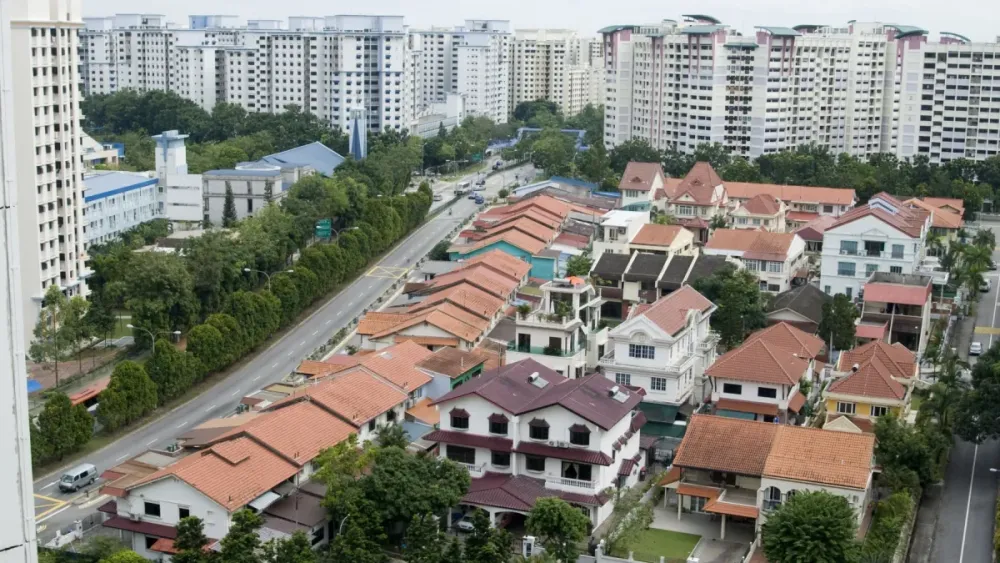
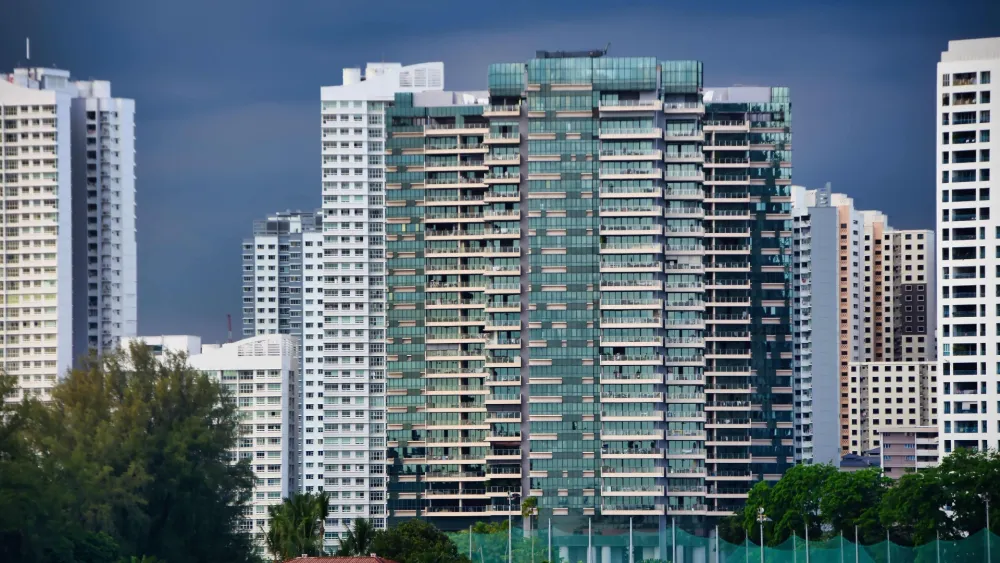
Prices of private properties have increased by 59 per cent over 3.5 years from the trough of the property cycle to the current peak level. HDB resale prices have risen by as much as 47 per cent over the same period, with 2.5 per cent increase in 4Q 2012 compared to less than 2 per cent quarterly rise since the beginning of 2012.
Conducive Market supports buying interest for public and private properties
The continuous rise in property prices is chiefly driven by the prevailing low interest rate environment, contributed by the near zero US Fed rates to spur the fragile US economy.
Despite previous rounds of cooling measures that have curtailed speculative buying and dampened foreigner demand for private residential properties, the underlying demand from locals and permanent residents remained robust.
In addition, the large supply of newly launched private residential projects over the past year, combined with attractive perks and features offered by developers, induced buying interest and spurred price increases.
On the other hand, the public housing market remains tight for Singaporeans where offer prices for Build-to-Order (BTO) flats showed an upward trend and supply of HDB flats available in the resale market has yet to increase.























 Read Here
 Advertise
 Sign Up