, Singapore

Daily Markets Briefing: STI up 0.57%

Expect more cheers in the market today.

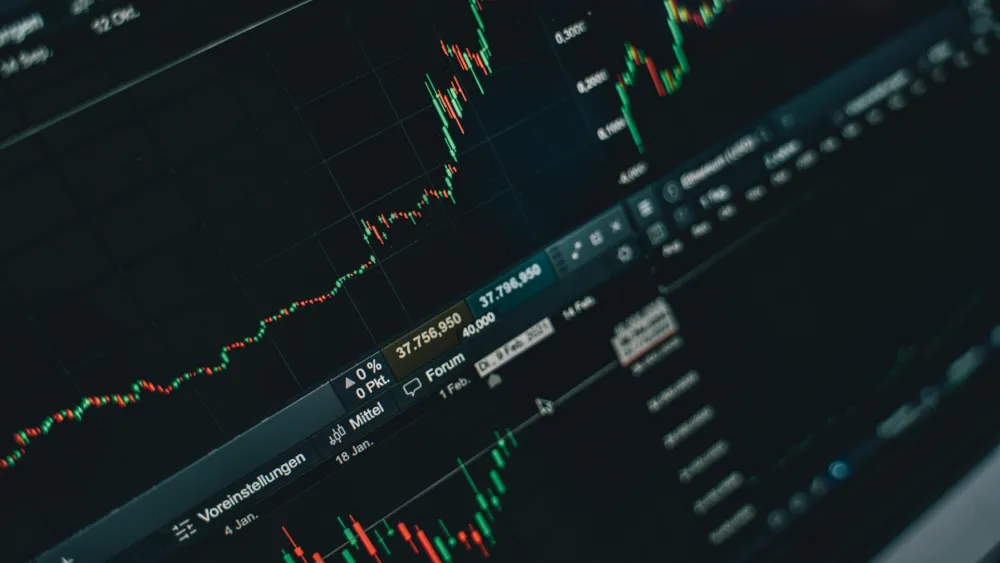
The Straits Times Index (STI) ended 18.99 points or 0.57% higher to 3325.07 on Wednesday, taking the year-to-date performance to +15.42%.

The top active stocks yesterday were NetLink NBN Trust, which closed unchanged, Global Logistic, which closed unchanged, DBS, which gained 0.28%, Singtel, which gained 0.51% and OCBC Bank, with a 1.08% advance.

OCBC Investment Research said the U.S. market reached new all-time highs with the main stock indices at record levels.

Meanwhile, all S&P 500 industries ended higher, with Energy (1.39%) and Materials (1.09%) leading the gains.

"The gains on Wall Street overnight could bring some cheer to the local bourse this morning," the brokerage firm said.

 

Join Singapore Business Review community
A NOTE FROM SINGAPORE BUSINESS REVIEW

If you've been wondering whether SBR could work for your company — yes, probably.

A lot of the companies we partner with started as readers. They'd been following our coverage for a while, saw their own customers and competitors in it, and eventually asked the obvious question: could we do something with you? The answer is usually yes. The shape of it depends on what you're trying to do.


The options are broader than most people assume — thought leadership articles, sponsored content, industry summits across Southeast Asia, regional awards programmes, podcasts, and media placements in print and digital. Some partners use one channel; most use a mix. We figure out the right combination by starting with your brief, not with our rate card.


So if the question has been on your mind, here's the easy way to ask it.

We'll tell you honestly whether we can help, and how. It's a better use of everyone's time.

Top News

Singapore targets $645m fund for SEA climate projects
The programme will also feature a data platform and a market development facility.
iWOW swings to $700,000 loss in H1 2027
Datacomm revenue fell 41%, whilst wireless engineering declined 35%.