COTD: Commute time critical factor for employees when considering new job
A sharp rise in dissatisfaction accompanies longer commutes.
Majority of Singaporean workers value the importance of commute time when considering a new job, according to a YouGov survey commissioned by Budget Direct Insurance.
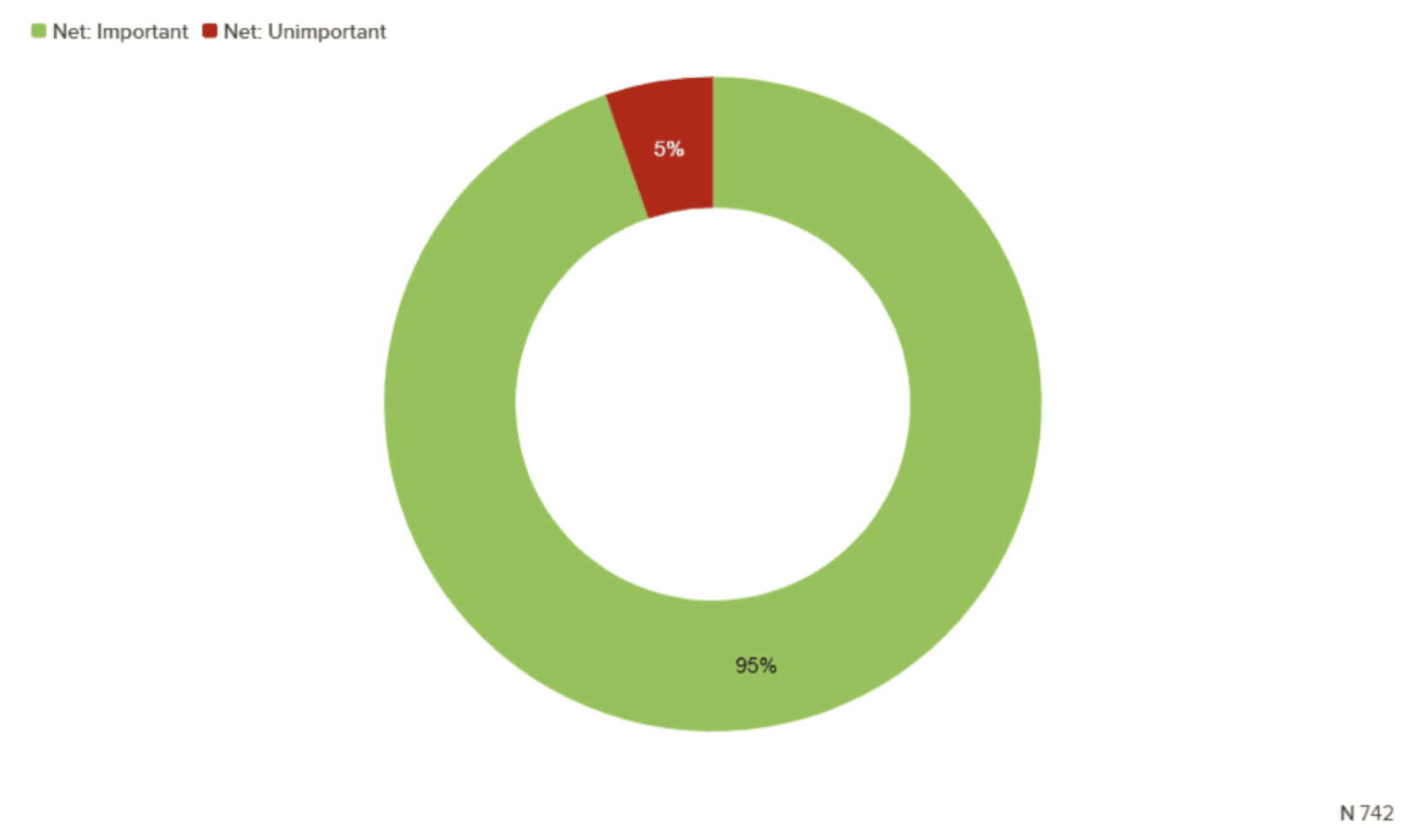
According to the poll of 1,055 Singaporeans, 95% of respondents consider commute time important when assessing new job opportunities. Longer commutes significantly increase dissatisfaction, with 77% of those commuting 61 to 75 minutes considering it excessive.
When it comes to mode of transportation, 60% said they commute via train, 56% said they take public buses, and 25% said they walk to work. Only 23% said they drive, and 12% said they use ride-hailing services.
Other modes, such as bicycles (6%) and motorcycles (3%), remain niche transport choices.
Respondents ranked convenience (69%) as the most important factor when choosing how to commute. This was followed by the travel time (66%), and cost (60%).
Amongst the respondents, 57% said they are already fully back in the office, whilst over 40% are either in hybrid or fully remote setups.
For those with hybrid arrangements, work schedules are typically front-loaded, with 69% saying they work on-site on Wednesdays, making it the most common day for office attendance. This drops to 41% on Fridays, and on weekends, only 10% said they work on Saturdays and 5% on Sundays.
To boost its efforts to achieve a car-lite society, Singapore has been investing in public transport enhancement. This includes expanding the MRT network to 360 kilometres (km) by the early 2030s, extending the Cycling Path Network to over 1,000 km by 2040, and implementing the Walk Cycle Ride SG plan.
Upcoming infrastructure projects such as the Cross Island Line and Jurong Region Line are also expected to reduce travel time across the island.




























 Read Here
 Advertise
 Sign Up