
Businesses shift to risk-based authentication on messaging
Device, location, and transaction signals are helping firms adjust verification by risk.
Businesses using WhatsApp and SMS for customer transactions are moving towards risk-based authentication as impersonation, stolen one-time passwords, and automated traffic attacks make blanket verification less effective.
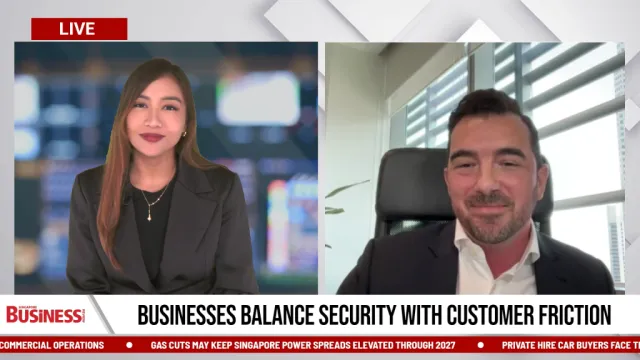
Sylvain Chaperon, General Manager for Communications Platform as a Service at 8x8, said fraudsters increasingly exploit messaging channels that customers already use for personal and work communications.
One threat is impersonation, where customers receive messages that appear to come from banks or other brands. Another is social engineering aimed at obtaining one-time passwords, whilst businesses can also face artificially inflated traffic that generates large volumes of authentication requests and associated costs.
“Security today needs to be taken as an overall concept, not only as a back-office issue,” Chaperon said.
Businesses can reduce unnecessary friction by adjusting authentication requirements to the level of risk behind each interaction. A returning customer using the same device, internet address and location may require fewer verification steps than a new user attempting a large transaction from an unfamiliar location.
Chaperon said companies can use signals such as phone-number quality, transaction type and user behaviour to determine when security checks should be increased or reduced. Keeping customers within the channel they are already using can also simplify verification. Requiring a user to leave WhatsApp and authenticate through SMS, for example, can add friction when mobile connectivity is limited.
For technology investment, Chaperon said companies should prioritise reliable authentication infrastructure, direct connectivity with telecommunications operators and fraud controls.
He added that firms should invest in systems that determine the most appropriate authentication channel instead of repeatedly resending the same verification request. A multichannel strategy is also becoming more important as customers move between messaging, SMS and voice.
Chaperon said the objective is to strengthen fraud controls without adding unnecessary friction for legitimate users.



























 Read Here
 Advertise
 Sign Up






Commentary
What matters for Singapore’s AI future is consistency, not brilliance
The AI pilot worked. Now comes the real test
Are Singapore startups’ employee incentive plans still competitive?
Singapore’s small exporters need credit that matches their payment cycle
The hidden realities of succession for next-gen heirs
In Asia, fintech leaders must compete on credibility
F1 on a gravel road: Why AI is still stuck in first gear
Why AI blocklists give Singapore firms a false sense of security
When scale arrives before proof: Singapore’s capital allocation question in Southeast Asia
Rethinking fleet ownership in a changing business landscape