
Singapore manufacturers keep high-value work, shift labour-intensive production
Engineering, automation, and new product introduction are staying as repetitive work moves regionally.
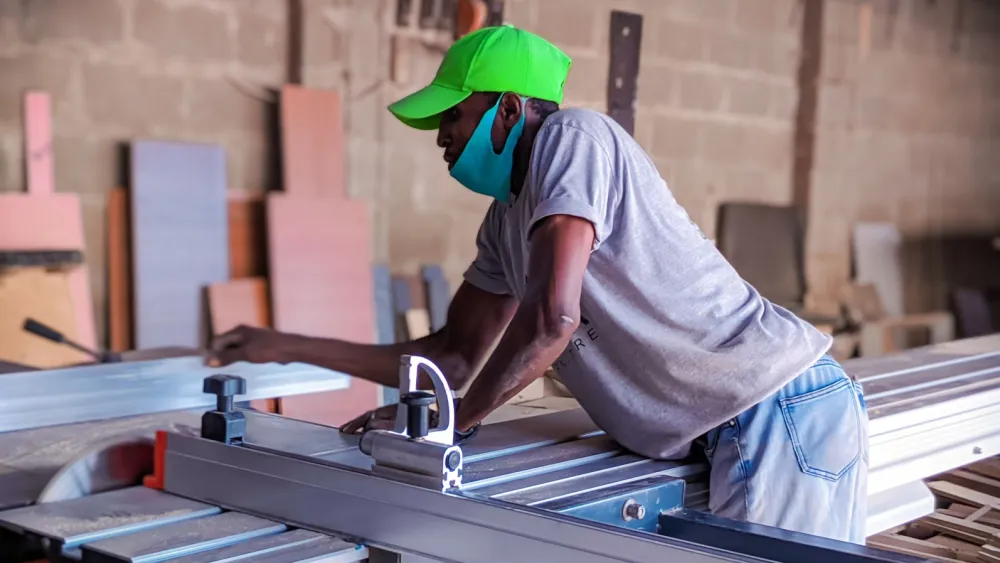
Singapore manufacturers are increasingly retaining higher-value functions such as engineering, automation and new product introduction whilst shifting more repetitive and labour-intensive production to neighbouring markets.
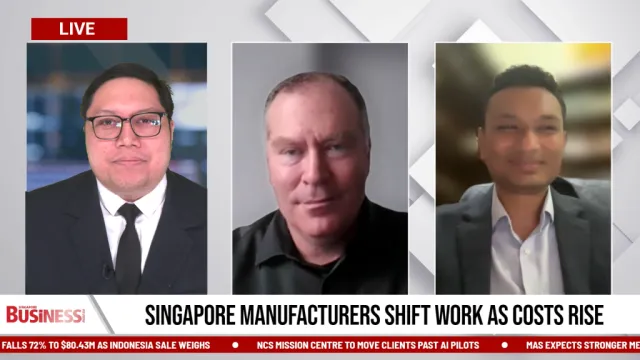
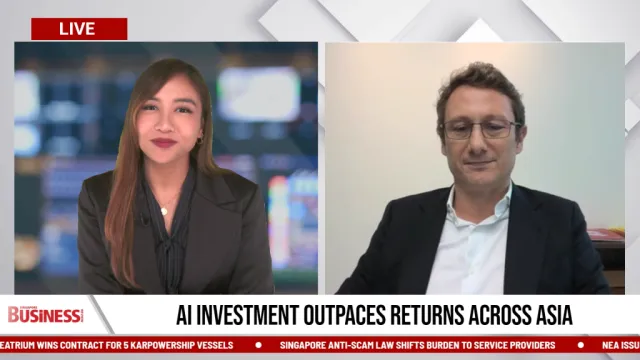
Marcelo Tarkieltaub, Regional Vice President for Southeast Asia at Rockwell Automation, said Singapore continues to attract investment in semiconductors, biopharmaceuticals, and medical devices despite some production relocations.
He said the city-state’s skilled talent, infrastructure and intellectual property protection continue to support advanced manufacturing activity.
Amar Chhajer, Vice President for Southeast Asia at UST, said the shift reflects a longer-term restructuring of regional manufacturing footprints.
“I see Singapore as a brain in the region, especially when it comes to niche engineering, manufacturing, new product introduction, innovation, AI,” Chhajer said.
Functions tied to engineering, niche manufacturing, equipment production, and new product introduction are more likely to remain in Singapore, whilst large-scale standardised production is more likely to move elsewhere.
Tarkieltaub said labour-intensive and less automated operations face the greatest relocation pressure because Singapore has a smaller workforce and is less suited to large-scale repetitive production.
“Those industries that are more heavily intense in terms of labour, those will probably be candidates of looking for different alternatives,” Tarkieltaub said.
By contrast, highly automated and efficient facilities can remain competitive, particularly when production depends more on specialised capabilities than labour scale.
For manufacturers, this points to a more segmented regional model, with Singapore handling complex and higher-value activities whilst neighbouring markets take on larger-volume production.
Tarkieltaub said Singapore will need to preserve regulatory reliability, intellectual property safeguards and support for technology pilots and connected operations.
Chhajer added that design and engineering should remain close to new product introduction if Singapore is to retain its role in advanced manufacturing.
The broader challenge is to keep high-value industrial capabilities anchored locally as regional competition intensifies.























 Read Here
 Advertise
 Sign Up






Commentary
What matters for Singapore’s AI future is consistency, not brilliance
The AI pilot worked. Now comes the real test
Are Singapore startups’ employee incentive plans still competitive?
Singapore’s small exporters need credit that matches their payment cycle
The hidden realities of succession for next-gen heirs
In Asia, fintech leaders must compete on credibility
F1 on a gravel road: Why AI is still stuck in first gear
Why AI blocklists give Singapore firms a false sense of security
When scale arrives before proof: Singapore’s capital allocation question in Southeast Asia
Rethinking fleet ownership in a changing business landscape