
Singapore needs renewable import boost to hit net-zero goals
Doubling renewable imports is the key.
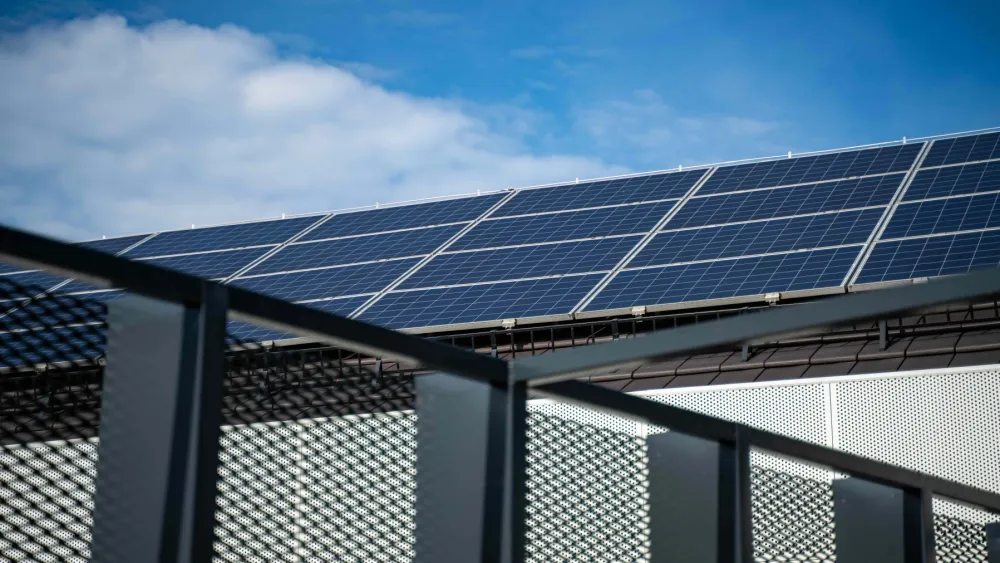
To achieve the International Energy Agency’s net-zero power sector target, Singapore must increase its renewable electricity import capacity to 8.1 GW by 2035, significantly reducing emissions and promoting regional cooperation.
“Singapore is actually already on track to reach net zero by 2050. However, we feel that the ambitions could be raised by increasing the renewable import capacity from 4.2 gigawatt to 8.1 gigawatt by 2035, and further up to 16 gigawatts by 2045,” said Dinita Setyawati, Senior Electricity Policy Analyst at Ember South East Asia. This adjustment could enable Singapore to achieve a net-zero power sector five years earlier than planned.
Singapore has opened bidding opportunities for renewable energy imports, aiming to facilitate connections to regional grids. "This is very important for Singapore to double its renewable energy imports, and this also implies that Singapore could be the tipping point for grid development and renewable energy power development in Southeast Asia," Setyawati noted.
By increasing renewable energy imports, Singapore stands to gain significant environmental benefits. “Singapore's per capita power sector emissions are actually quite high, almost five times larger than the ASEAN average. Based on Ember's calculation, if Singapore is on track for 2045 net zero emissions, it could lower the power sector emissions by more than half,” explained Setyawati.
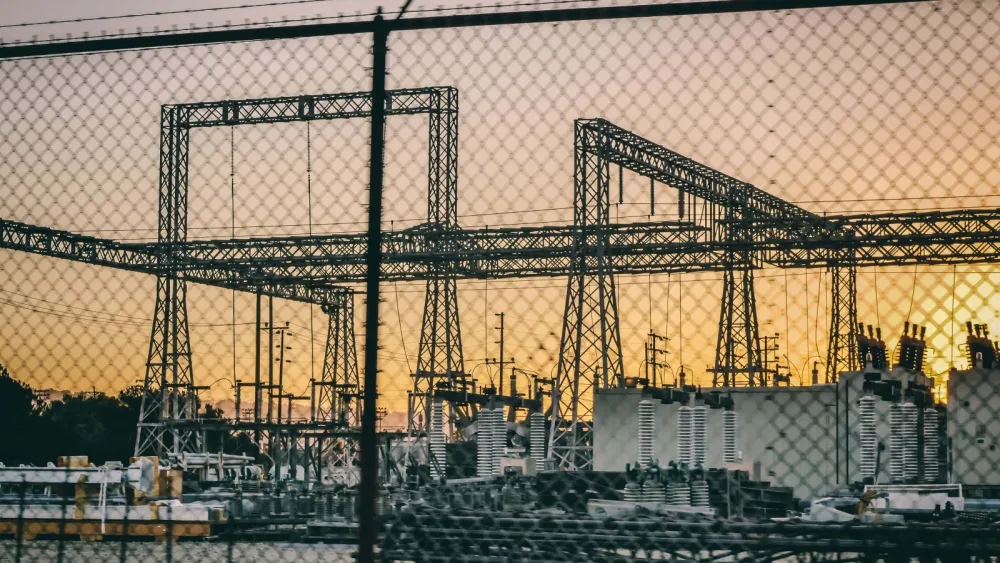
However, increasing the share of renewables in Singapore’s energy mix presents certain challenges. "Making sure that renewables are supplied through the regional power grids is absolutely critical to building secure, safe, and decarbonized power systems. Therefore, regional cooperation in grid infrastructure and renewable energy projects is absolutely important," Setyawati emphasised.
Investment plays a crucial role in this transition. "Investment can be pulled from either public or private capital or both, to provide a greater pool for funding renewable energy in the region," Setyawati said. Ensuring adequate funding and cooperation across borders will be essential for Singapore to meet its ambitious renewable energy targets.























 Read Here
 Advertise
 Sign Up



Commentary
What matters for Singapore’s AI future is consistency, not brilliance
The AI pilot worked. Now comes the real test
Are Singapore startups’ employee incentive plans still competitive?
Singapore’s small exporters need credit that matches their payment cycle
The hidden realities of succession for next-gen heirs
In Asia, fintech leaders must compete on credibility
F1 on a gravel road: Why AI is still stuck in first gear
Why AI blocklists give Singapore firms a false sense of security
When scale arrives before proof: Singapore’s capital allocation question in Southeast Asia