
Singapore’s tighter rules push Chinese wealth overseas
Compliance checks raise friction as investors explore multi-market strategies.
Singapore is seeing up to 20% of its potential Chinese high-net-worth individual (HNWI) inflows diverted to rival hubs as tighter rules, longer processing times, and heightened compliance demands reshape regional wealth movements. Experts say the shift reflects both “push and pull factors” as global investors reassess where to base family offices and manage cross-border portfolios.
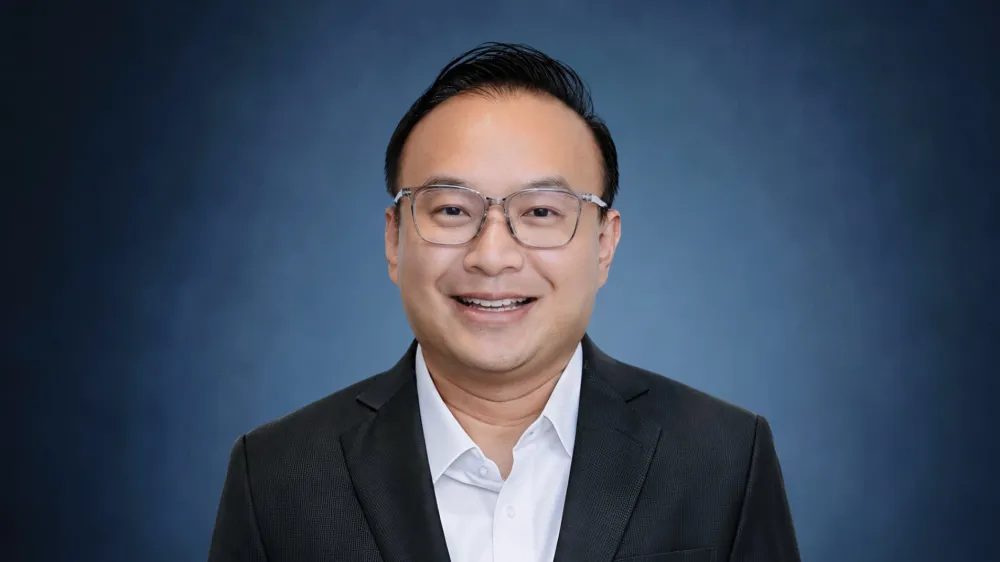
According to Christine Li, Head of Asia Pacific Research at Knight Frank, Singapore’s rapid expansion in recent years has naturally raised expectations. “Singapore has plenty of pull factors, but after seeing over 2000 family offices set up in just four years, I think the bar for high net worth individuals has naturally risen, and growth needs to moderate now,” she said.
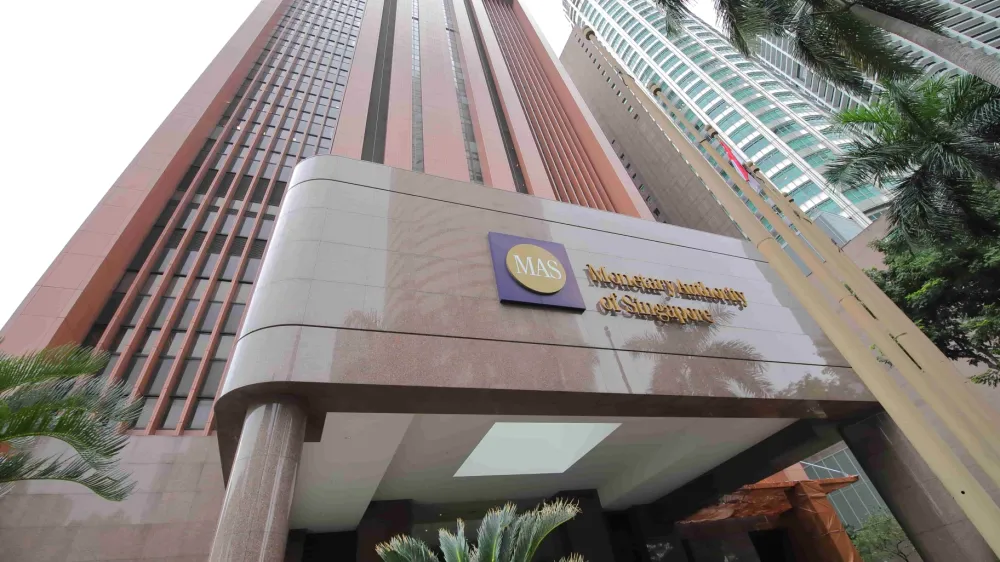
On the push side, she added, “applications for family offices are starting to take longer” and, after the 2023 money-laundering case, “the authority has also stepped up the checks on anti money laundering rules, so some of these checks can be quite intrusive, and that has put off some of the high net worth individuals.”
Divya Doshi, Managing Director, Sales, Asia and the Middle East at IQ-EQ, observed more interest in places like Dubai, Japan, Hong Kong and Singapore as they continue to offer great connectivity, but investors diversify footprints across multiple jurisdictions because “the Middle East and Asia are not competing in the same things, they are complementing one another.”
Despite outflows, both speakers agree Singapore retains core strengths. Doshi emphasised that Singapore “is actually well regulated and a fully trusted financial center,” with one-third of new global family offices based there. Meanwhile, Li stressed the importance of stability, saying tighter rules “help very long term investors who are serious about committing to Singapore.”
Still, operational improvements could strengthen its competitiveness. Doshi said Singapore “could make the onboarding a little bit easier,” improve timelines, and innovate within VCC structures, including digital assets and tokenisation, to meet evolving wealth-management needs.









![[Singapore Business Review] Report on the Asian Business Channel](https://www.cmgassets.com/s3fs-public/styles/video_thumbnail/public/2026-10/full-show-thumbnail_1.png.webp?VersionId=bJbrT_JKOuMWBnf7YkmsWjOSWIXddSvY&itok=zWuxHRNG)













 Read Here
 Advertise
 Sign Up







Commentary
When scale arrives before proof: Singapore’s capital allocation question in Southeast Asia
Rethinking fleet ownership in a changing business landscape
Beyond the chips: The materials behind Singapore’s AI infrastructure
How homegrown brands are redefining premium in Asia
AI in hospitality: Where should Singapore’s F&B operators draw the line?
Do Singapore workplaces mistake silence for leadership?
AI as the new competitive advantage for Singapore’s small retailers
Singapore's next payments opportunity