
ThirdHome brings home-swapping model to affluent Singaporeans
Preference for flexibility drives home-swapping demand among younger buyers.
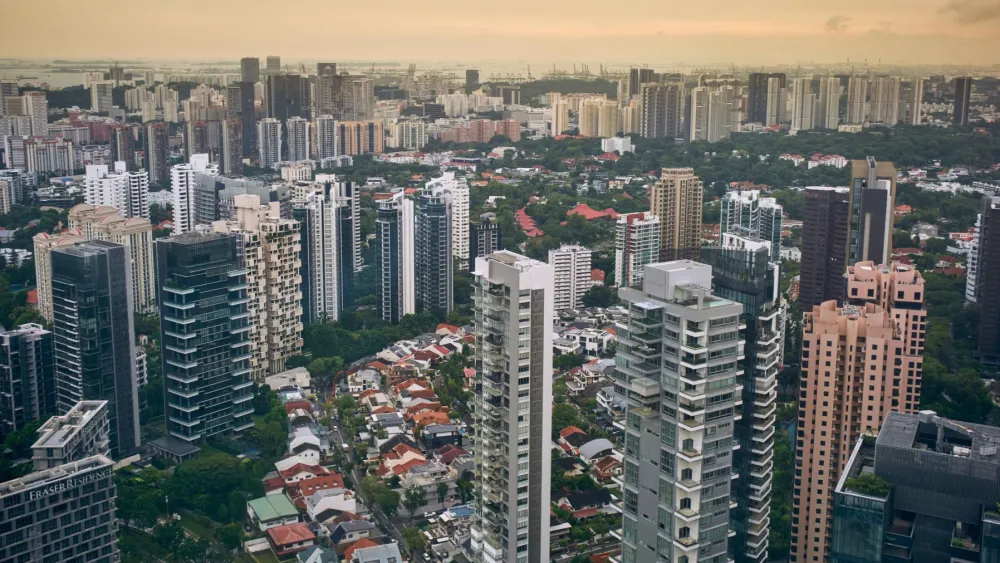
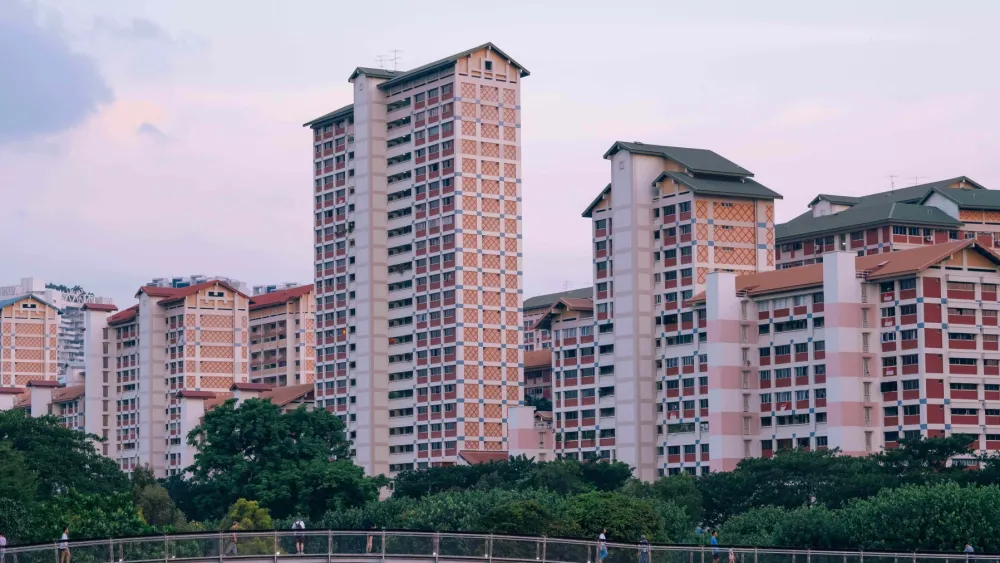
ThirdHome, a global home exchange platform, is introducing home swapping to affluent Singaporeans as an alternative to traditional second-home ownership, tapping into the rising demand for more flexible luxury real estate options.
“The home swapping, home sharing model is quite new in the Southeast Asia region. It's a lot more evolved, a lot more mature in other parts of the world, but it's starting to get adopted," Giles told Real Estate Asia at the sidelines of the Global Property Expo held in Singapore from 18 to 20 July.
"It's starting to get additional participation, and therefore, we want to be here as that growth curve increases so that we can welcome more members to the club,” he added.
ThirdHome is eyeing Southeast Asia, especially Singapore, as a key market for future growth, said Adams.
"We understand that a lot of affluent Singaporeans have bought homes throughout this region, predominantly in Vietnam, Japan and Thailand, and therefore we're hoping to encourage more of those owners to become members of the club,” Adams said.
Home-swapping is gaining traction as younger generations seek more flexible ownership models, Adams said.
“Generation Z is looking more about the here and now. The affluent ones have the ability and have the time and the flexibility to work across jurisdictions, across countries, across continents, which means that that has driven second home growth,” he added.






















 Read Here
 Advertise
 Sign Up





Commentary
What matters for Singapore’s AI future is consistency, not brilliance
The AI pilot worked. Now comes the real test
Are Singapore startups’ employee incentive plans still competitive?
Singapore’s small exporters need credit that matches their payment cycle
The hidden realities of succession for next-gen heirs
In Asia, fintech leaders must compete on credibility
F1 on a gravel road: Why AI is still stuck in first gear
Why AI blocklists give Singapore firms a false sense of security
When scale arrives before proof: Singapore’s capital allocation question in Southeast Asia