Mayday, mayday: Changi Airport flight traffic growth plunges to 6-year low
These figures haven’t been seen since the GFC.
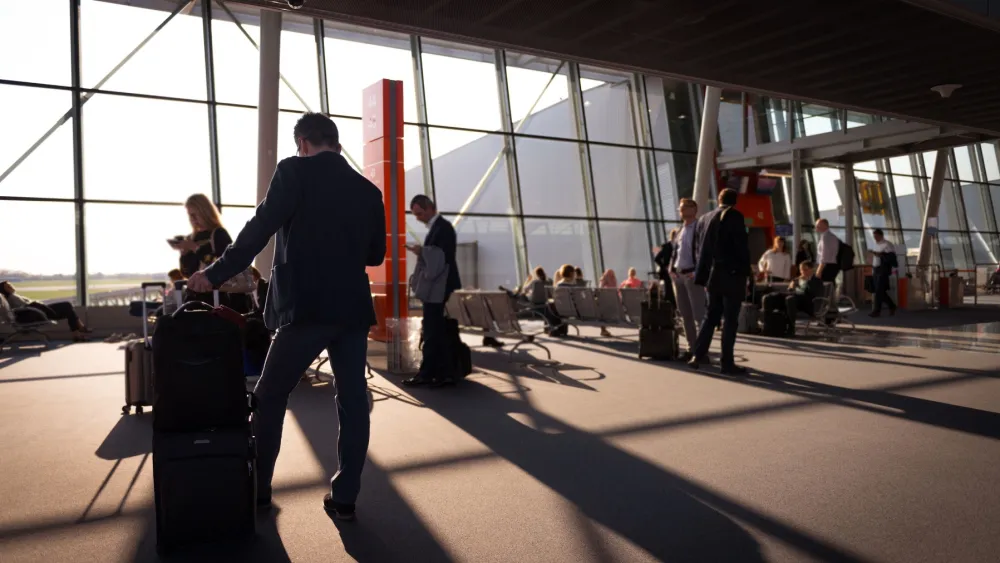
Changi Airport’s story is one of too many flights but too few passengers. Airlines are springing up left and right in the region, but passenger traffic has been steadily softening.
According to a report by Maybank Kim Eng, Changi Airport’s flight traffic growth slowed to 2.9% year on year in 6M14, the weakest since the global financial crisis of 2008.
“Changi Airport’s flight traffic has been expanding faster than passenger throughput, underscoring the region’s overcapacity. Accordingly, we expect airlines to scale back their capacity to fill cabins. Lower aircraft utilisation would translate into lower maintenance requirements and MROs could be hit next,” noted the report.
Here’s more from Maybank Kim Eng:
While Singapore is struggling with overcapacity in the region, traffic trends in Hong Kong remain robust.
Capacity growth targets of 1% and 7% by Singapore Airlines and Cathay Pacific are reflective of its outlook.
Passenger throughput at Changi Airport has been softening throughout the year. Consequently, rising cost pressure has not been matched by a corresponding increase in workload at SATS (1QFY3/15 inflight meals +0.5%, passengers handled +0.8%). This drove its EBITDA margins down to a mere 13.0%, their lowest in at least three years. We expect continued pressure.
What if there is a strong pick-up in passenger throughput? We do not rule out any meaningful pick-up in passenger throughput in 2015, as Chinese visitors warm up to higher-priced tour packages and pent-up demand is met.
In this case, SATS stands to benefit the most. Less so for SIAEC and STE, whose fortunes are more closely tied to airlines’ capacity utilisation. As discussed below, it will probably take a longer time for the region’s overcapacity to be addressed.























 Read Here
 Advertise
 Sign Up